
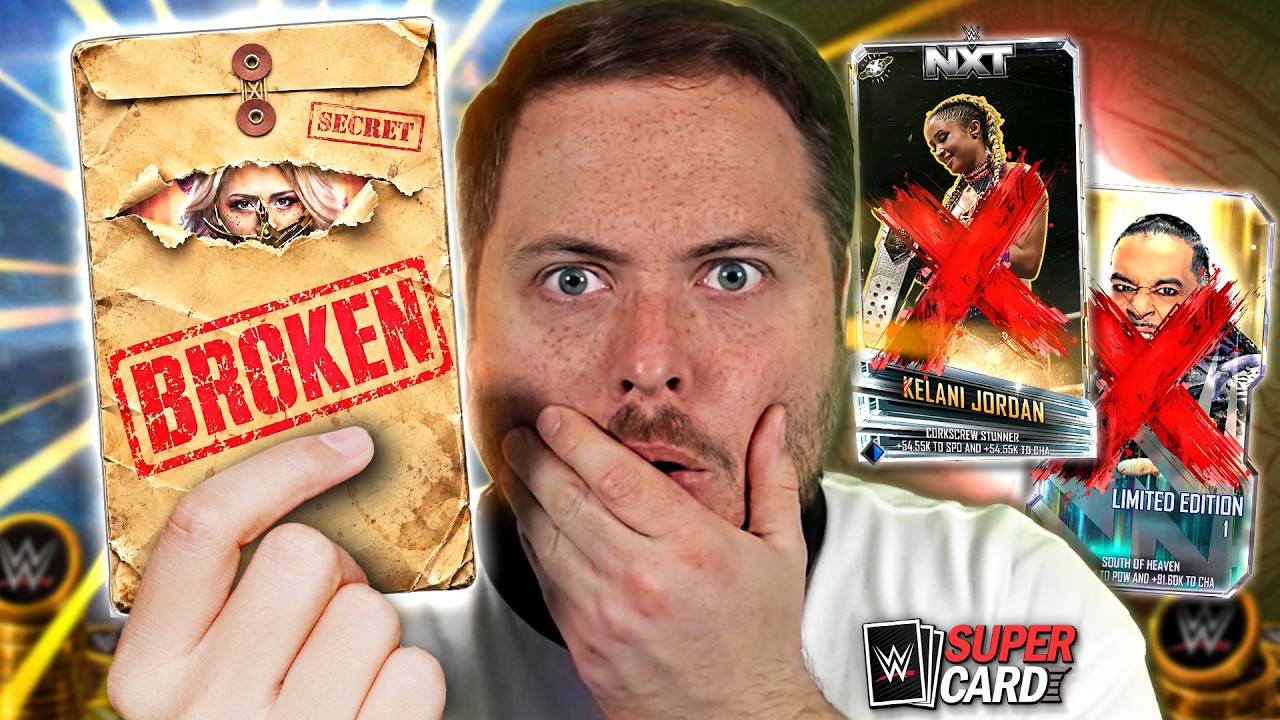
In WWE SuperCard - Wrestling Game, purchasing "Loser Cards" from the Backstage webstore allows you to obtain event-tier cards without placing high on ranked event leaderboards. When two featured Superstars face off in a ranked community event, the defeated card is added to the webstore rather than vanishing. Because these cards maintain full event-tier base stats, maximum training caps, and specialized stat spreads, they provide an alternate path to strengthening your top deck.
How Backstage Loser Cards Work
During head-to-head ranked events, two featured cards compete through match results or community points. The winning Superstar serves as the primary placement reward on the event leaderboard. The defeated Superstar becomes the event's designated "loser card" and is made available for direct purchase in the official Backstage webstore.
These store additions are not downgraded consolation cards. They carry the same rarity tier, base stat totals, and upgrade caps as standard event cards. This setup lets you skip multi-day leaderboard grinds if you have the resources to buy the card directly from the store.
| Feature | Ranked Winner Card | Backstage Loser Card | Practical Impact |
|---|---|---|---|
| Acquisition | High leaderboard placement | Backstage webstore purchase | Bypasses event leaderboard grinding |
| Stat Distribution | Frequently balanced across stats | Frequently clustered in two primary stats | Excels in specific two-stat match calls |
| Arrow Alignment | Event's primary alignment | Counter or alternate alignment | Helps complete tag team pairings |
| Pro Progression | Requires duplicate event placement | Requires purchasing duplicate copies | Direct path to combining a Pro card |
Strategic Advantages of Loser Cards
Loser cards often provide specific tactical advantages over winner cards depending on your current roster needs:
- Focused Stat Weighting: Winner cards often feature balanced attributes across all four categories. Loser cards frequently concentrate their point budget into two core stats (such as Power and Toughness, or Speed and Charisma), making them more dependable in two-stat calls.
- Tag Team Synergy: When an event reward features a dominant alignment like an Up or Down arrow, the webstore counterpart often provides a complementary arrow (such as Left or Right). This alternate alignment lets you fill tag team voids without incurring stat penalties.
- Special Ability Activation: Cards built around two dominant attributes trigger stat-boosting procs that scale directly with their primary strengths, giving them high burst potential in PvP, War, and King of the Ring modes.
Acquisition and Upgrade Checklist
To get full value from a Backstage webstore card, follow these steps before deploying it into competitive modes:
- Check Your Roster Needs: Inspect the webstore preview to confirm that the card's dominant stats and arrow alignment fill a current weakness in your top eight or King of the Ring deck.
- Secure Two Copies for a Pro: A single non-Pro card will quickly fall behind your deck's power curve. Ensure you have enough resources to buy duplicate copies before committing.
- Train Fully Before Combining: Maximize the card level, play all required matches across every attribute, and assign all stat tokens on both individual copies before combining them into a Pro.
- Equip Matching Gear: Apply stat-aligned equipment and fortification levels to reinforce the card's dominant two-stat advantage.
When to Skip Webstore Cards
Spending resources in the Backstage webstore carries an opportunity cost. Passing on a store card preserves your currency for general pack bundles, promotional materials, or upcoming tier updates.
Only purchase a Backstage loser card if it immediately improves your active top-eight deck or secures a vital tag team link. If your current deck already outperforms the card's rarity tier, save your resources for the next tier release.

Free WWE SuperCard - Wrestling Game Codes
Current active codes and how to redeem them.

Emily Johnson
Emily writes practical mobile strategy guides with a focus on resource planning, base progression, and the early decisions that shape a long-term account.
COMMUNITY
Player Comments
68 players commented on this guide.
The tips are practical and easy to follow.
This guide answered the exact question I had.
Can you add more details about updates in a future update?
I wish I had read this before upgrading the wrong thing.