
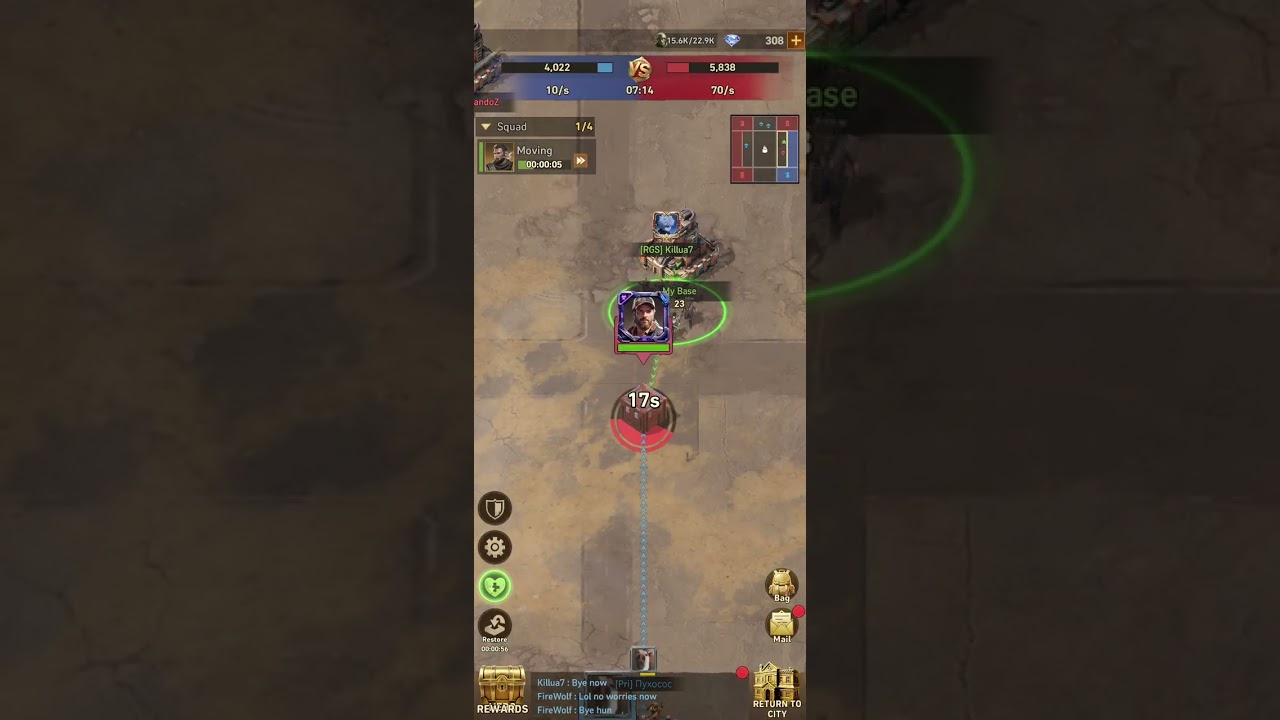
To dominate Rust City in Z Route: Redemption, you must shift your mindset from survival to territorial hegemony. Rust City is the ultimate high-stakes theater in the game; it is not merely about clearing zombie hordes, but about outmaneuvering human rivals who are competing for the same limited, high-yield resource nodes. Success requires a sophisticated blend of aggressive movement, vertical positioning, and a ruthless commitment to resource management that keeps your squad combat-effective while others succumb to the attrition of the urban environment.
Establishing Tactical Presence in Rust City
In Rust City, the primary objective is to establish an immediate, intimidating presence that discourages rival encroachment. Players who hesitate or adopt a "wait and see" approach often find themselves surrounded by aggressive factions or locked into disadvantageous attrition battles that drain resources without providing territory.
The moment you enter the Rust City sector, your priority is to claim the central hubs. Because these areas are high-traffic, you must move with purpose. Clear out minor zombie threats immediately upon arrival to secure a perimeter. This creates a "buffer zone" that serves two purposes: it provides you with a safe area to gather resources, and it acts as an early warning system. By clearing the immediate surroundings, any enemy movement into your sector becomes immediately visible, giving you the time to shift your main force into a superior firing position before a full-scale engagement begins.
Optimal Squad Deployment for Urban Combat
Success in Rust City hinges on your ability to deploy squads that balance mobility with raw, burst-oriented firepower. The urban environment is characterized by tight corridors, collapsed buildings, and limited lines of sight, making slow-moving, high-durability units liabilities. They are easily flanked and often unable to retreat once a battle turns against them.
Instead, prioritize:
- High-Mobility Heroes: Units that can reposition quickly to exploit gaps in enemy formations.
- Burst-Damage Specialists: In close quarters, the ability to eliminate a rival hero in seconds is more valuable than sustained, low-damage fire.
- Verticality Management: Rust City features multi-level structures. Always attempt to hold the high ground. Engaging from an elevated position allows you to force enemies into tight alleyways where your squad can concentrate fire while limiting the enemy's ability to return fire effectively.
Navigating High-Risk Engagement Zones
The most lucrative resources in Rust City are located in high-risk zones that attract constant attention. To secure these, you must understand the "rhythm of the battlefield." Novice players often rush directly into the center, making them easy targets. Experienced players use a "peripheral pressure" strategy.
By skirting the perimeter, you can identify enemy squad weaknesses and strengths before fully committing. Engaging from the edges allows you to pick off isolated units or catch a rival squad mid-rotation. This significantly weakens the opponent's total combat power. If you occupy a central node, expect to be the primary target. Manage this risk by rotating your defensive squads frequently and keeping a reserve force just out of sight. This "flexible defense" prevents you from being permanently pinned down by superior numbers.
Managing Resource Consumption During Skirmishes
Aggressive play in Z Route: Redemption is resource-intensive. Rust City is where you will burn through your supplies—ammunition, health packs, and troop durability—the fastest. If you are trading units for minimal territory gains, you are losing, even if you technically "win" the engagement.
To sustain your occupation, you must know when to disengage. If an engagement becomes too costly, pull back and reset. Utilize the city’s complex layout to break line-of-sight and withdraw to a secondary position. This allows you to replenish your health packs and wait for the enemy to overextend. Once they are out of position, you can launch a decisive counter-attack. The goal is to maximize your resource efficiency; holding the city is meaningless if you are too depleted to defend it against the next wave of rivals.
Adapting to Rival Movement Patterns
The meta in Rust City is defined by the predictable movement of rival squads. Most players operate on a "loop" between spawn points and resource nodes. By observing these patterns for the first few minutes of your session, you can identify common choke points.
- Intercepting: When you notice a faction consistently using a specific route, reposition your squad to intercept them at a choke point where they cannot flank you.
- Ambush Tactics: Use the debris and wreckage in Rust City to mask your movement. An ambush in an urban setting is significantly more effective than a direct frontal assault.
- Counter-Meta: If every player is using high-mobility units, consider bringing a hero with crowd-control abilities to "stun" their movement, effectively neutralizing their mobility advantage.
Decision-Making: When to Fight and When to Farm
Ultimately, the difference between a top-tier player and a mid-tier player is knowing when to stop fighting. Rust City rewards greed, but it punishes recklessness. If your squad is at 60% durability, do not engage a fresh enemy squad at a high-value node. Instead, focus on farming the nearby, lower-risk resource pools to top off your troops and replace lost items.
By maintaining a "readiness posture"—where your squad is always at peak efficiency—you ensure that when a truly valuable opportunity arises (such as a rare resource drop or a weakened rival base), you have the resources to capitalize on it immediately. Master the map, respect the resource costs, and stay flexible; this is how you turn Rust City from a hazardous zone into your personal territory in Z Route: Redemption.
Free Z Route: Redemption Codes
Current active codes and how to redeem them.

Sarah Williams
Sarah specializes in RPG and collection games, explaining team building, character growth, and beginner-friendly ways to avoid expensive early mistakes.
COMMUNITY
Player Comments
117 players commented on this guide.
This guide answered the exact question I had.
The tips are practical and easy to follow.
The explanation is clear, especially for beginners.
Nice guide. I am checking the other Z Route: Redemption articles next.