
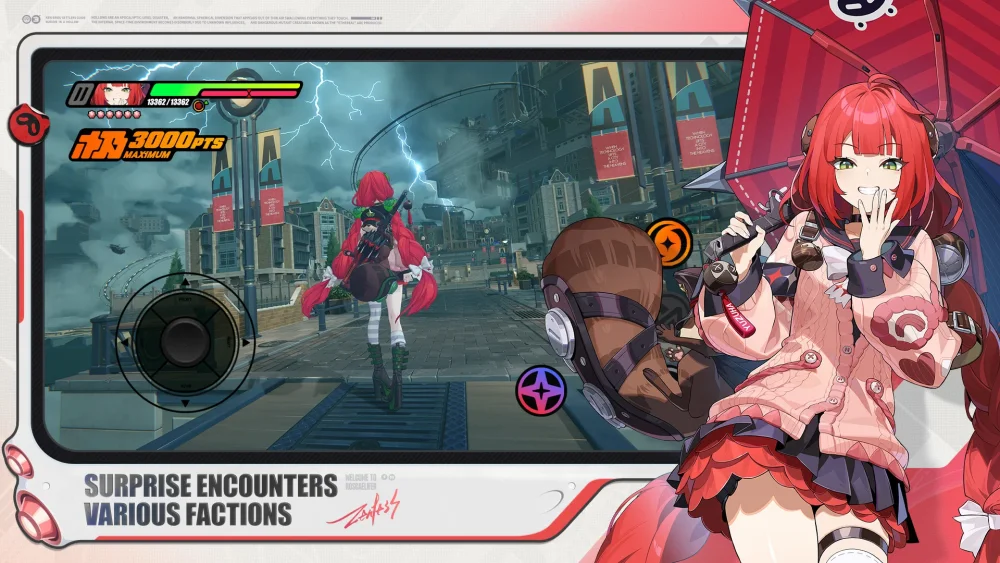
With the release of Zenless Zone Zero Version 3.0, the landscape of New Eridu has shifted. The arrival of the "Progenitor" threat renders previous, individualistic combat styles obsolete. To navigate this new era, players must adopt the Roskelly Method—a strategic framework that prioritizes faction-wide synergy, defensive resource management, and flexible team compositions over pure, burst-damage output.
Understanding the Progenitor Threat
The Progenitor is not merely a high-health boss; it represents a fundamental change in how Zenless Zone Zero handles combat pressure. Unlike standard Hollow anomalies that can be bypassed with high-burst DPS windows, the Progenitor utilizes massive AoE (Area of Effect) attacks and debuffs that punish players for playing in isolation.
In Version 3.0, the game’s difficulty curve shifts toward "coordinated resistance." You will find that individual Agent prowess is secondary to the team’s collective ability to mitigate damage. If you attempt to face the Progenitor with a "glass cannon" build, you will likely find your primary DPS interrupted or defeated before they can cycle through their abilities. The threat demands a sustained presence on the field, requiring you to treat your team as a single, cohesive unit rather than a collection of independent combatants.
Implementing the Roskelly Method
The Roskelly Method is the strategic mandate introduced in 3.0 to counter the Progenitor’s influence. It calls for an end to the "isolated watch"—the practice of relying on one or two super-powered characters—and forces a transition into integrated team play.
Steps to Success:
- Evaluate Passive Synergies: Don't just look at elemental alignment. Prioritize Agents whose passives provide team-wide buffs or damage mitigation.
- Cross-Faction Integration: The Roskelly Method encourages mixing Agents from different factions. Identify units that offer Crowd Control (CC) or damage reduction to stabilize your frontline.
- Prioritize Sustained DPS over Bursts: Shift your gear focus toward sustained damage windows. If an Agent requires a long, uninterrupted animation to deal damage, they are currently high-risk against the Progenitor.
- Active Tactical Swapping: Use your Chain Attacks not just for damage, but for defensive positioning. Swapping to a shielded or high-defense unit during a Progenitor telegraph is now a core requirement for survival.
Transitioning Your Roster for Version 3.0
If your account progression has focused exclusively on offense, the 3.0 update will feel like a "progression wall." To overcome this, you must rebalance your resource investment.
- Support and Defensive Agents: Invest in units that provide shields, healing, or "Damage Taken" reduction. In the context of the Progenitor, a support unit that keeps your team alive for 30 seconds is more valuable than a DPS unit that dies in 5 seconds.
- Gear Rebalancing: Review your Disc Drives. If you are running full offensive sets, consider swapping one or two pieces for sets that provide HP or Shield bonuses.
- W-Engine Selection: Prioritize W-Engines that offer utility (like energy regeneration or team-wide attack buffs) over those that only increase the individual Agent’s raw Crit Rate.
Managing Resources Amidst the New Threat
The Roskelly Method requires a "wide" account rather than a "deep" one. Because the Progenitor encounter phases may render specific elements ineffective, you need a bench of characters that can pivot roles.
- Daily Energy Allocation: Dedicate a portion of your daily Battery Charge to farming materials for your secondary support units. Do not leave your healers or tanks at low levels.
- Element Coverage: Ensure you have at least one leveled support character for every major element. This prevents you from being hard-countered when a specific mission phase necessitates a team composition shift.
- Skill Upgrades: Focus on upgrading the defensive and utility skills of your support Agents. These skills often provide the percentage-based damage reduction required to survive the Progenitor’s ultimate abilities.
Long-Term Strategic Decisions
The end of the "isolated watch" means you must abandon the comfort of playing only your favorite team. The Roskelly Method is designed to prepare players for the future of Zenless Zone Zero, where content will increasingly demand complex team coordination.
Common Mistakes to Avoid:
- Ignoring Defensive Passives: Players often skip over "Defense" or "Support" passives in favor of "Attack" stats. In Version 3.0, these passives are often the only thing preventing a one-shot from the Progenitor.
- Over-committing to One Faction: While mono-faction teams have their place, relying on them exclusively restricts your ability to adapt to the Progenitor’s specific environmental debuffs.
- Neglecting Retreat Tactics: In challenging encounters, knowing when to stop attacking and start dodging/swapping is essential. Do not get greedy with your DPS windows.
Conclusion: Embracing Cooperation
The shift in Zenless Zone Zero 3.0 is designed to make combat more dynamic and strategic. By adopting the Roskelly Method, you aren't just surviving the Progenitor; you are learning the game's new rhythm. Success in this version is defined by your ability to manage your team as a fluid, reactive entity.
Focus on building a roster that values versatility, prioritize your defensive support units, and remember that in the world of the Progenitor, the strongest team is the one that stays on the field the longest. Keep your eyes on the synergy bonuses provided by your Agents' passive skills—they are the key to mastering the evolving challenges of New Eridu.

Free Zenless Zone Zero Codes
Current active codes and how to redeem them.

Sarah Williams
Sarah specializes in RPG and collection games, explaining team building, character growth, and beginner-friendly ways to avoid expensive early mistakes.
COMMUNITY
Player Comments
73 players commented on this guide.
The explanation is clear, especially for beginners.
This guide answered the exact question I had.
This helped me understand strategy much better.
Can you add more details about strategy in a future update?