
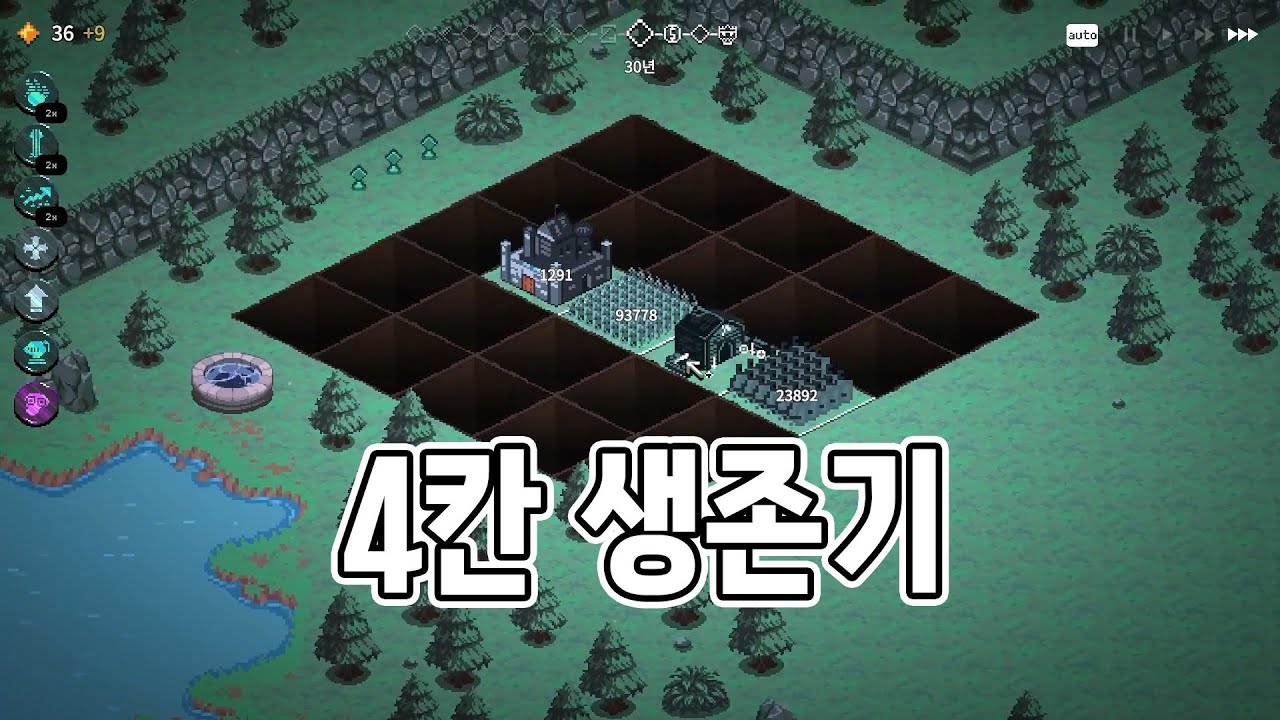
To clear all 81 missions in 9 Kings, abandon generalist frontline-and-archer drafts and build strictly around each ruler's unique mechanical archetype. The 81-mission update assigns nine progressive tier objectives to each of the nine playable rulers: King of Nothing, King of Progress, King of Magic, King of Greed, King of Blood, King of Nomads, King of Stone, King of Time, and King of Nature.
Treat every monarch's ladder as an isolated puzzle rather than an endurance run. Lower tiers test basic triggers—such as surviving set year counts or banking resources—while higher tiers require executing that king's ideal board state.
Economic Monarchs: Greed and Progress Engines
The King of Greed and the King of Progress require establishing snowballing engines within the first three years to hit steep production thresholds later.
- King of Greed: Prioritize Shrines, gold-generating buildings, and Portal mechanics immediately. Avoid drafting early combat units that drain reserves needed for compounding interest. Once your gold pool swells, convert your wealth directly into army scaling to reach late-tier resource quotas.
- King of Progress: Build automated choke points rather than unit swarms. Position Converter Stations adjacent to Autocannon arrays and reinforced Defenders. This layout accelerates attack speeds and triggers retaliation damage against attacking waves.
| Monarch | Primary Mission Goal | Core Mechanical Engine | Common Draft Mistake |
|---|---|---|---|
| King of Greed | High gold reserves | Shrines, Portals, and compounding interest | Over-drafting early military units |
| King of Progress | High-year defense and tech scaling | Converter Stations, Autocannons, and Defenders | Ignoring grid adjacency bonuses |
Board Manipulation: Nomads and Time Control
Positional challenges penalize static defenses and require active control over the grid and combat pacing.
- King of Nomads: Static walls fail quickly under nomad mission conditions. Instead, draft mobile camps and Warlord units. Continuously relocate operational hubs across the grid to reset frontline pressure, maintain movement-based combat buffs, and clear tight wave timers.
- King of Time: Time mission tiers introduce overwhelming swarms that outscale standard damage output. Draft Warpers to disrupt enemy approach speeds and use Peace Treaty cards to secure drafting breathing room. Delaying enemy waves gives high-damage towers the runway required to clear incoming groups before they reach your castle walls.
High-Risk Synergies: Blood, Magic, and Swarms
Upper-tier missions for Blood, Magic, and Nature require running volatile setups rather than balanced defensive lines.
- King of Blood: Do not keep castle health topped off. Intentionally expend health to trigger low-life damage bonuses, charge the Blood Ballista, and summon Demon units to burst down heavily armored bosses.
- King of Magic: Omit melee frontlines entirely. Place Wizard spires and Keep upgrades in the backline, leveraging negative slime interactions to trigger continuous spell cascades that clear the screen.
- King of Nature: Maximize Orchard poison production to soften high-health targets, then flood the board with Lab Rats or Goat swarms to overwhelm stages through sheer attack frequency.
Three-Step Protocol for High-Tier Clears
Tiers 7 through 9 leave no margin for diluted card pools. To reach the required end-state builds, follow this draft sequence:
- Check the Active Objective: Inspect the specific win condition before round one starts to see whether the tier demands an economic total, a survival milestone, or specific unit counts.
- Restrict Deck Variety: Limit your deck to two complementary unit or building types that scale directly with your monarch's core trait.
- Prune and Upgrade: Spend rerolls or skip card rewards if an offering does not advance your primary win condition. Once core tiles are placed, pour all subsequent resources into upgrading those specific tiles.

Free 9 Kings Codes
Current active codes and how to redeem them.

Emily Johnson
Emily writes practical mobile strategy guides with a focus on resource planning, base progression, and the early decisions that shape a long-term account.
COMMUNITY
Player Comments
133 players commented on this guide.
This guide answered the exact question I had.
The tips are practical and easy to follow.
The explanation is clear, especially for beginners.
Can you add more details about strategy in a future update?