
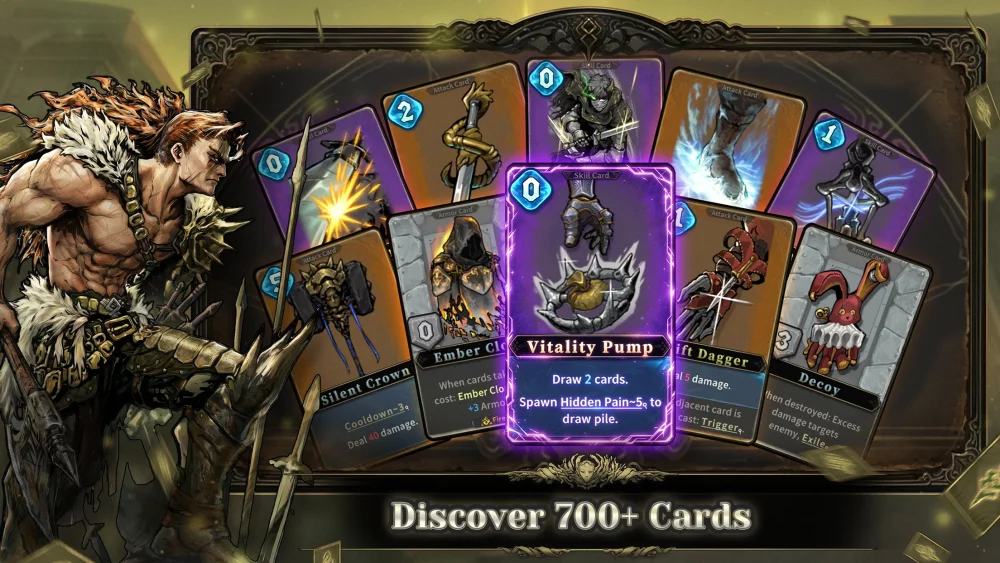
In Abyssal Soul, the line between a legendary run and a "catastrophic failure" is razor-thin. Unlike standard roguelikes where damage is the only metric of success, Abyssal Soul utilizes a complex interplay of Spirit, health, and environmental debuffs that can turn a winning streak into a disaster in just a few turns. A catastrophic failure occurs when players ignore the game’s subtle warning signs, over-extend their limited resources, or fail to pivot their strategy when a node’s difficulty spikes.
To master Abyssal Soul, you must transition from a "combat-first" mentality to a "risk-mitigation" framework. This guide breaks down the core mechanics of survival and the strategic decisions required to navigate the darkest reaches of the game without losing your hard-earned progress.
Identifying High-Risk Exploration Nodes
The most common mistake in Abyssal Soul is the "completionist trap"—the urge to clear every node on the map regardless of the cost. High-risk exploration nodes are identifiable by their structural composition. If a node promises high-tier loot but features environmental hazards like "Corrosive Mists" or "Spirit Drains," you must evaluate your current sustainability.
- The 30% Threshold: If your HP or Spirit pool drops below 30% without a clear, immediate recovery path (such as a merchant node or a relic-based heal), you are in the "Danger Zone." At this point, any further exploration is a gamble.
- Node Scouting: Before committing to a path, hover over the encounter details. Look for "Elite" or "Cursed" tags. If your deck lacks specific counter-play cards for these types, the probability of a catastrophic failure increases exponentially.
- The Attrition Loop: Recognize when you are stuck in an attrition loop—where each combat encounter costs more health than the loot gained can restore. If you find yourself spending more than 20% of your HP to clear a standard mob, your build is no longer viable for the current floor.
The Danger of Over-Extending Resources
Resource management in Abyssal Soul is your primary defensive layer. Many players fail because they treat their cards and movement points as infinite. You must manage a "resource budget" for every floor to ensure you have enough fuel to escape or survive a mandatory boss encounter.
- Deck Utility Balance: A deck focused entirely on raw damage is a ticking time bomb. You should always reserve at least two slots in your deck for defensive utility cards, such as "Shield Siphons" or "Spirit Mend." These are not for winning fights; they are for ensuring you survive to the next node.
- The Cost of Greed: Avoid pathing that requires you to expend high-cost cards just to traverse the map. If the cost of reaching a reward node depletes your defensive capabilities, the reward is effectively a net loss.
- Status Effect Management: Keep a constant eye on your status bar. Stacking debuffs—particularly those that reduce defense or increase incoming damage—can make an otherwise manageable fight fatal. If you see a debuff timer hitting its peak, stop playing aggressive cards and focus entirely on survival until the effect expires.
Managing Environmental and Combat Triggers
Abyssal Soul features a dynamic environment where the stage itself is often your greatest adversary. Combat triggers are frequently tied to player action, meaning you can accidentally trigger a catastrophic event simply by playing too many cards.
- Action-Based Traps: Some maps feature "Overload" hazards that trigger chip damage every time you play a card of a certain element or exceed a specific card count. If you are playing an aggressive, high-draw deck, you may be self-sabotaging. Adjust your playstyle to "minimalist turns" in these environments.
- Reactionary Boss AI: Many late-game bosses in Abyssal Soul possess "Threshold Counters." They may gain a permanent attack buff if they lose more than 25% of their HP in a single turn. If you notice a boss reacting to your damage output, switch to a defensive stance. Baiting out their ultimate moves while your health is high is significantly safer than trying to burst them down while you are low on resources.
When to Retreat and Reset
The most critical skill for a high-level Abyssal Soul player is knowing when to cut their losses. There is no shame in abandoning a run that has entered a "failure spiral"—a state where your deck is exhausted, your health is critical, and you have no viable path to recovery.
- The Abandon Option: Using the "Abandon Exploration" feature is a tactical decision, not a defeat. It allows you to salvage a portion of your collected resources and materials. These assets are vital for upgrading your base stats through the Soul Tree, which makes your next attempt significantly easier.
- Avoiding the "Miracle" Fallacy: Many players hold onto hope that a lucky card draw will save them. In Abyssal Soul, the math is rarely in your favor once you have hit the critical failure threshold. Calculating the odds of a "miracle" versus the guaranteed return of an abandonment will save you hours of wasted effort.
Strategic Preparation for Future Runs
If you find yourself failing at the same stage repeatedly, you are likely suffering from a "build-check" failure. This means your current loadout lacks the specific tools required for that biome’s unique threats.
- Soul Tree Optimization: If you are consistently dying to chip damage, prioritize the Soul Tree nodes that provide passive health regeneration or damage reduction. These permanent upgrades are the foundation of your survival.
- Counter-Archetypes: Every enemy in Abyssal Soul has an archetype. If you are dying to "Undead" enemies, ensure your deck includes "Sanctified" cards. If you are dying to "Constructs," prioritize armor-piercing abilities. Before entering a high-difficulty zone, audit your deck specifically for the enemy types found within.
- Record and Adjust: After a failure, take a moment to record the specific encounter that triggered the collapse. Was it a lack of defense? A lack of card draw? Or a specific environmental trap? By identifying the exact "gatekeeper" of your progress, you can build a targeted solution for your next attempt, turning a catastrophic failure into a valuable learning experience.
Mastery in Abyssal Soul is not just about raw power; it is about the cold, calculated management of risk. By respecting the game’s environmental threats and knowing when to retreat, you can consistently push further into the abyss than ever before.

Free Abyssal Soul Codes
Current active codes and how to redeem them.

Emily Johnson
Emily writes practical mobile strategy guides with a focus on resource planning, base progression, and the early decisions that shape a long-term account.
COMMUNITY
Player Comments
40 players commented on this guide.
I tried this today and it worked better than my old setup.
This guide answered the exact question I had.
I wish I had read this before upgrading the wrong thing.
Good guide for Abyssal Soul players. The resources part was useful.