
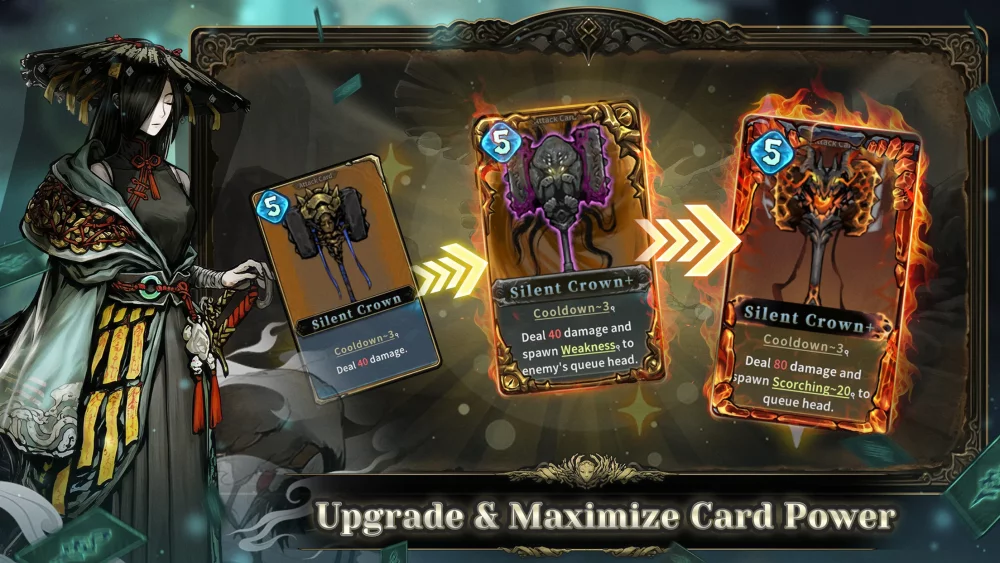
In Abyssal Soul, the transition from the early stages of a run to the mid-game relies heavily on how you manage your card drafts. Because the game utilizes a roguelike deck-building structure, your ability to select the right cards during the initial encounters will determine the consistency of your damage output and defensive sustainability.
Prioritizing Core Deck Archetypes
When selecting cards during your run, avoid picking cards simply because they have high base damage. Instead, focus on building synergy around your specific hero’s core mechanics. In the early stages, prioritize the following categories:
- Energy Efficiency: Cards that cost zero or refund energy are critical for extending your turn duration and enabling combo chains.
- Draw Power: Increasing your hand size ensures you aren't left with a dead turn if your initial hand lacks synergy.
- Defensive Scaling: Prioritize block-generating cards that scale with your current stats or relic bonuses rather than flat-value defense cards.
The Rule of Thinning and Removal
One of the most common mistakes in Abyssal Soul is over-drafting. A bloated deck makes it difficult to draw your "win condition" cards consistently. Follow these guidelines to keep your deck lean:
| Action | Priority | Benefit |
|---|---|---|
| Card Removal | High | Eliminates basic starter cards that lose value in late stages. |
| Drafting Utility | Medium | Selects cards that provide buffs or debuffs to enemies. |
| High-Cost Attack | Low | Only pick if it provides a unique status effect or massive burst. |
Evaluating Card Synergy During Drafts
When presented with a choice, consider how each card interacts with your current relic pool. Abyssal Soul features various relics that provide passive buffs based on card types (e.g., Attack, Skill, or Power cards).
- Check Relic Compatibility: If you possess a relic that boosts "Skill" card damage, prioritize drafting defensive or utility-focused skills over basic attacks.
- Combo Potential: Look for "Keyword" synergy. If a card applies a specific status effect like "Burn" or "Soul Fracture," only draft cards that benefit from or amplify that specific status.
- Pathing Selection: If you have the choice between a combat encounter and an event node, choose the event node if your deck is already strong but lacks specific card removals. Combat is for gathering new cards; event nodes are often for refining your deck through removals or upgrades.
Managing Turn-Based Combat Economy
In Abyssal Soul, the "economy" refers to your available energy and draw count per turn. To master this:
- Sequence Matters: Play your "Draw" and "Energy-generating" cards before your main damage dealers.
- Predictive Blocking: Do not use all your energy on offense if the enemy's intent indicates a high-damage attack in the next cycle. Always reserve energy for defensive maneuvers if your deck lacks innate damage mitigation.
- Avoid "Greedy" Drafting: Do not pick three high-cost cards in the first two floors. You will struggle to play more than one per turn, leading to an inefficient combat loop.
By focusing on deck thinning and selecting cards that directly enhance your existing passive relics, you will significantly improve your consistency in reaching the later stages of Abyssal Soul.

Free Abyssal Soul Codes
Current active codes and how to redeem them.

Sarah Williams
Sarah specializes in RPG and collection games, explaining team building, character growth, and beginner-friendly ways to avoid expensive early mistakes.
COMMUNITY
Player Comments
30 players commented on this guide.
This helped me understand early game much better.
Good guide for Abyssal Soul players. The early game part was useful.
This guide answered the exact question I had.
This saved me time in the early game.