
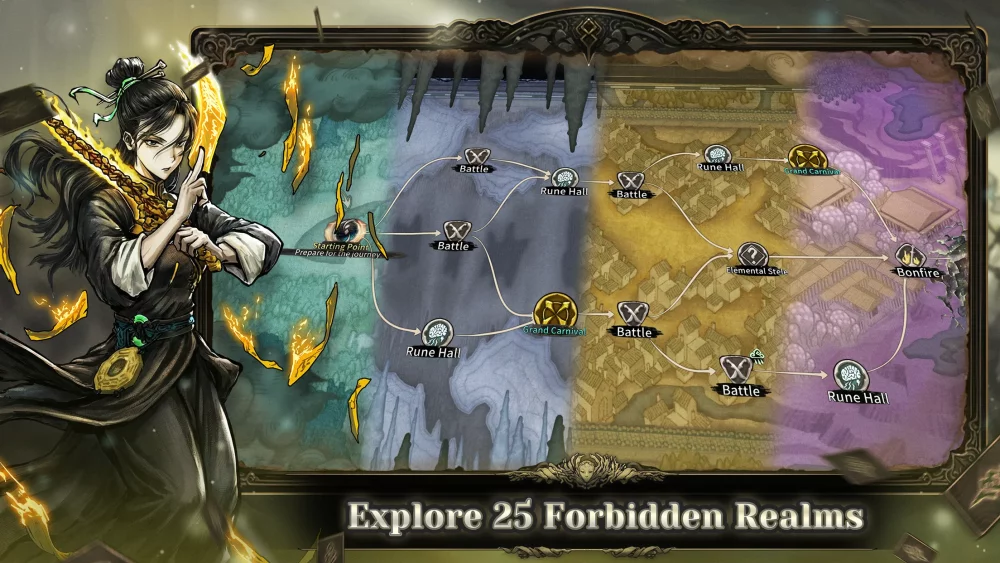
In Abyssal Soul, the path you choose across the procedural map is just as critical as the cards you draft. Because the game utilizes a roguelike structure where resources are finite, knowing how to prioritize specific nodes during the early stages of a run can significantly increase your survivability and deck consistency.
Strategic Pathing Priorities
When staring at the branching map in Abyssal Soul, many players fall into the trap of prioritizing combat encounters to grind experience. However, a balanced approach is essential to ensure your deck has the necessary relics and upgrades to handle later difficulty spikes.
| Node Type | Primary Benefit | Strategic Priority |
|---|---|---|
| Elite Encounters | High-tier Relics | High (If deck is stable) |
| Merchant Shops | Deck Thinning/Utility | Medium (Mid-run) |
| Event Nodes | Narrative Buffs/Debuffs | High (High variance) |
| Standard Combat | Card Drafting | Consistent |
Early-Game Resource Management
To ensure a successful run in Abyssal Soul, focus on these three pillars of resource management:
- Prioritize Removal over Addition: It is tempting to draft every card that looks strong, but this dilutes your deck’s efficiency. Use Merchant nodes primarily to remove low-impact basic cards. A leaner deck increases the likelihood of drawing your "win condition" cards on turn one.
- Relic Scaling: Always assess your current relics before picking new cards. If you have found a relic that rewards specific damage types or card colors, pivot your draft to lean into that synergy rather than picking cards in a vacuum.
- Health as a Resource: Don’t be afraid to take minor chip damage in early encounters if it allows you to play more aggressively and end the fight sooner. In Abyssal Soul, finishing a combat with higher damage output often prevents the enemy from scaling their own offensive threats.
Tactical Encounter Selection
Not all nodes are created equal. When navigating the map, consider the following rules of thumb:
- Map Out the Path to the Boss: Always look ahead at the final few encounters before the act boss. If your deck lacks AoE (Area of Effect) damage, prioritize encounters that offer card rewards that can fill that specific gap.
- Evaluating Event Risks: Event nodes provide unique modifiers that can fundamentally change the trajectory of a run. If your current build feels weak, taking the risk on an Event node is often better than a standard combat, as it provides a higher chance of a "run-saving" item.
- The Merchant Strategy: Avoid visiting the Merchant too early. You need a baseline amount of currency to make the visit worth the path taken. Aim to visit the shop after completing at least two or three combat encounters to ensure you have the funds to buy meaningful upgrades or remove dead weight from your deck.
By focusing on deck efficiency through strategic removals and choosing map paths that specifically target your build’s weaknesses, you will find it much easier to transition from the early encounters into the mid-game of Abyssal Soul.

Free Abyssal Soul Codes
Current active codes and how to redeem them.

Michael Smith
Michael covers live-service games, events, reward systems, and efficient daily routines, turning frequent updates into clear actions for players.
COMMUNITY
Player Comments
151 players commented on this guide.
Nice guide. I am checking the other Abyssal Soul articles next.
This helped me understand early game much better.
The tips are practical and easy to follow.
This saved me time in the early game.