
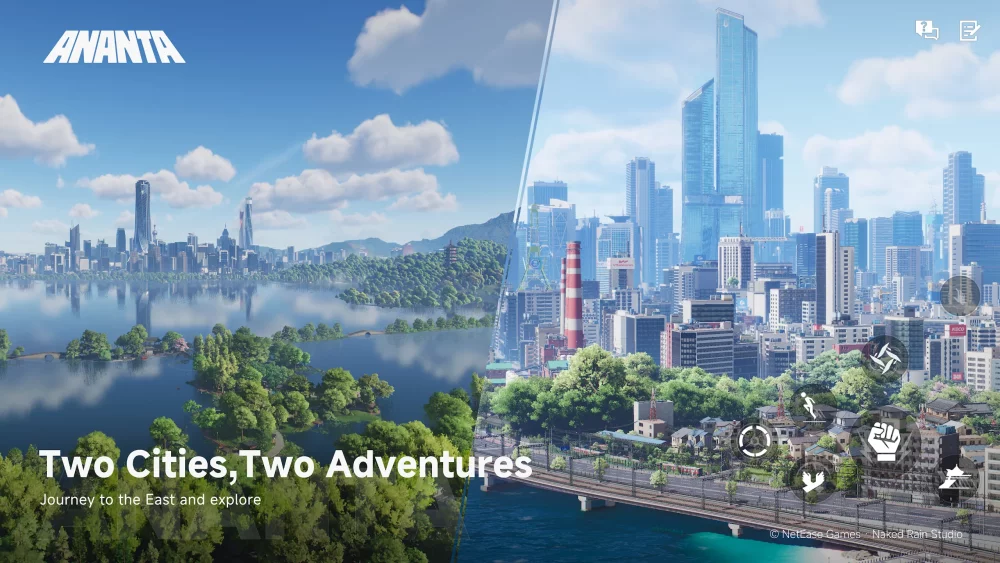
In the strategic simulation landscape of ANANTA, character design is far more than a visual flourish—it is a functional blueprint for how you will manage your resources and navigate the game’s complex world-building. Understanding the interplay between character aesthetics and mechanical functionality is the key to gaining a competitive edge before the game even launches. This guide breaks down the visual language of ANANTA, helping you translate promotional cues into actionable strategies for your future gameplay sessions.
Identifying the Core Aesthetic Pillars of ANANTA
The visual identity of ANANTA is rooted in a deliberate fusion of contemporary urban realism and stylized, high-fidelity character models. These designs act as the primary vehicle for world-building, signaling a character’s role, faction, and potential utility within your management projects.
To evaluate these designs effectively, players should focus on three core markers:
- Color Palette Consistency: Developers use specific color schemes to denote faction alignment. Characters with cool, desaturated tones often belong to technical or analytical factions, while vibrant, high-contrast characters are frequently associated with field operations or resource acquisition roles.
- Materiality and Texture: Pay close attention to the contrast between matte fabrics and metallic, neon-lit accessories. In ANANTA, these textures suggest the character’s "weight" in the game world—heavier, industrial gear often indicates a focus on long-term structural development, while sleeker, synthetic materials are linked to high-speed traversal and rapid-cycle projects.
- Postural Quirks: Animations are not just for show. A character’s default stance and movement style reflect their personality and, more importantly, their priority in your squad. Watch for characters who maintain an "alert" posture in trailers; these are likely your high-efficiency specialists for urgent resource management tasks.
Leveraging Promotional PVs for Narrative and Mechanical Context
Promotional Videos (PVs) for ANANTA are essential data sources for the observant player. Beyond the visual appeal, these trailers provide a blueprint for how characters interact with the urban landscape.
Decoding Traversal and Combat Mechanics
When you see a character navigating the environment, look for:
- Environmental Interaction Tools: Does the character carry specialized tech or handheld devices? In ANANTA, these items are rarely purely decorative. They often signify a "Tooling Specialty," indicating the character will provide bonuses when assigned to specific project development nodes.
- Scale Contrast: Observe how the character is framed against the massive urban architecture. Characters who appear "grounded" in these shots are typically your backbone for long-term building projects, whereas characters framed in high-motion sequences are optimized for the game’s faster-paced resource procurement cycles.
By analyzing the "how" of their movement, you can deduce whether a character excels in stable, low-risk simulation environments or high-intensity, high-reward mission zones.
Visual Fidelity, Lighting, and Atmospheric Immersion
The atmospheric design of ANANTA is built to reinforce the player's role as a manager of a living, breathing city. The game’s engine uses lighting as a primary indicator of district safety and project viability.
- Atmospheric Depth and Lighting: Lighting shifts based on the time of day and the specific district. Characters designed with intricate, light-reflective gear will often perform better (or provide unique buffs) in night-time urban sectors, where their design allows them to "blend" or interact with neon-lit environments.
- The "Lived-In" Aesthetic: The game prioritizes a sense of scale. When you see a character’s design, consider how it fits into the dense, multi-layered cityscapes. If a character looks "too clean" for the environment, they are likely specialized for administrative/management tasks. If their gear is weathered or modular, they are your best bet for field-based project execution.
Setting Expectations for Post-Launch Squad Composition
As you prepare for the release, recognize that character aesthetics in ANANTA are designed to facilitate long-term engagement. Developers use these distinct looks to define archetypes that influence your squad composition strategies.
The Synergy Matrix
When building your team, do not rely on a single aesthetic type. Instead, aim for a balanced composition based on visual archetypes:
- The Architect (Industrial/Muted Tones): Essential for base-level resource production and long-term project stability.
- The Operative (Sleek/High-Contrast): Necessary for rapid procurement cycles and navigating high-difficulty zones where precision is required.
- The Specialist (Technical/Gadget-Heavy): Crucial for solving specific bottlenecks in the simulation—look for characters with unique gear to handle non-standard project requirements.
Avoiding Common Mistakes in Character Selection
Many players fall into the trap of prioritizing "cool factor" over functional alignment. To maintain a competitive edge, keep these realities in mind:
- Don't Confuse Rarity with Utility: A character's visual complexity does not always equate to their effectiveness in the meta. Focus on the "archetype" cues mentioned above rather than the flashiness of their final kit.
- Hardware Considerations: Remember that the high-fidelity designs showcased in promotional footage are captured on optimized hardware. If your current setup is modest, prioritize characters with clean, readable silhouettes to ensure performance remains stable during complex, multi-character simulation events.
- The "Curated View" Warning: Promotional material is designed to show characters at their best. Always test a character’s utility in a low-stakes environment first to confirm their animation cycles match your preferred playstyle before committing major resources to their development.
Conclusion: Turning Aesthetics into Strategy
ANANTA rewards players who look beneath the surface. By treating character design as a set of mechanical signals rather than just artistic choices, you can better anticipate how each unit will impact your long-term resource management goals. Use these insights to build a diverse, visually distinct, and tactically sound squad that is ready for the complexities of the city from day one. Keep your focus on how these designs interact with the urban landscape, and you will find yourself well-positioned to master the game’s core strategic loop.

Free ANANTA Codes
Current active codes and how to redeem them.

Michael Smith
Michael covers live-service games, events, reward systems, and efficient daily routines, turning frequent updates into clear actions for players.
COMMUNITY
Player Comments
106 players commented on this guide.
This guide answered the exact question I had.
Nice guide. I am checking the other ANANTA articles next.
I tried this today and it worked better than my old setup.
The explanation is clear, especially for beginners.