
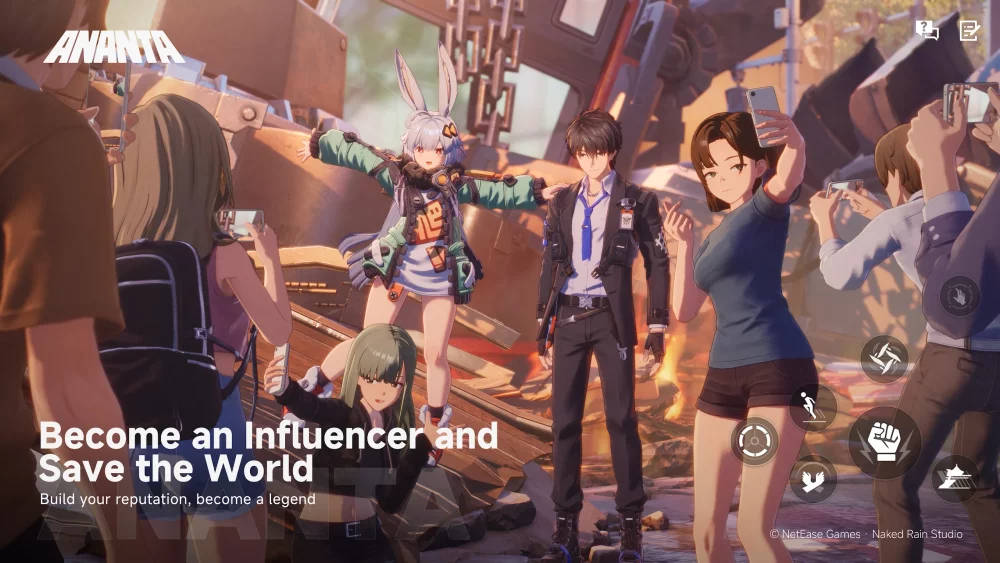
ANANTA is quickly becoming one of the most anticipated titles for players who value high-fidelity aesthetics paired with deep, character-driven storytelling. For newcomers, the sheer polish of the character models and the complexity of the narrative can be overwhelming. To succeed in ANANTA, you must look beyond surface-level stats and understand how the game’s visual language, narrative framing, and animation feedback loops dictate your optimal path through the early chapters. This guide provides the expert breakdown needed to prioritize your hero recruitment and build a team that remains viable through the global launch.
Deciphering Character Design Aesthetics
The visual identity of ANANTA is not merely cosmetic; it is a functional blueprint for how a character performs in the field. Unlike titles that prioritize quantity, ANANTA emphasizes high-fidelity 3D renders that communicate a hero’s role through silhouette and color theory.
- Silhouette Analysis: Characters with sharp, angular designs often lean toward high-speed, precision-based offensive roles. Their animations are typically snappier, designed for players who prefer twitch-based reactions.
- Color Palette Cues: Pay attention to the primary colors used in character designs. Cool blues and silvers frequently signal defensive or utility-focused roles, while warm reds and golds are usually reserved for high-damage output or "burst" archetypes.
- The Power of Consistency: The protagonists highlighted in promotional materials are designed with the most flexible skill sets. Investing your early-game resources into these central figures is the safest way to ensure your team is prepared for diverse combat scenarios, as developers prioritize these units for ongoing animation and ability updates.
Narrative-Driven Character Framing: The "Soft" Tutorial
ANANTA uses cinematic direction as a tool to teach you how to play. The game’s camera work during dialogue sequences is highly deliberate, often focusing on subtle changes in a character’s posture or expression to indicate their emotional volatility—which directly translates to their combat behavior.
When you witness a cutscene, look for the "personality-to-combat" pipeline:
- Composed/Stoic Characters: These heroes typically feature tactical, long-range, or defensive abilities. Their narrative composure is reflected in their steady, rhythmic attack patterns.
- Expressive/Volatile Characters: If a character is depicted as impulsive or highly emotional, they are likely designed for Area-of-Effect (AoE) damage or high-risk, high-reward offensive maneuvers.
Treat every narrative chapter as a tactical tutorial. If a character is struggling to overcome an obstacle in the story, the game is subtly highlighting their combat limitations. Conversely, when a character takes the lead in a cinematic, it is an indicator that their skill set is perfectly tuned for that specific chapter’s encounter.
Strategic Hero Investment for Global Launch
With the global release of ANANTA on the horizon, the meta is shifting toward sustainability. Resource fragmentation—splitting your upgrade materials among too many characters—is the most common mistake new players make.
The Three-Tier Investment Strategy:
- The Anchor: Pick one "Main" hero from the primary narrative cast. This character should receive 50% of your initial upgrade materials. They will act as your "carry" for the majority of the early story content.
- The Support: Select one unit whose visual design hints at defensive or crowd-control capabilities. They will sustain your Anchor during boss encounters.
- The Flex: Keep one slot open for a character who resonates with you visually. This keeps the experience engaging, as you aren't just playing for efficiency, but for personal connection to the character models.
By focusing on this core trio, you avoid the trap of "leveling everything," ensuring that your power level remains high enough to tackle difficult milestones without needing to engage in repetitive grinding.
Mastering Visual Feedback in Combat
Combat in ANANTA is a dance of timing, and the visual cues are your only indicators of when to strike. The game uses a "focused perspective" shift whenever a special ability is initiated. This is your cue to observe the animation frames carefully.
- The "Landing" Frame: Every ability has a specific animation frame where the damage registers. Learning to identify this frame is the difference between missing a hit and landing a perfect combo.
- Rhythm vs. Reaction: If you struggle with the combat, assess your preferred rhythm. If you enjoy deliberate, heavy strikes, look for units with slower, more "weighted" attack animations. If you find these characters sluggish, your playstyle likely favors the "snappier" characters with shorter wind-up animations.
- Animation Cancellation: Advanced players can utilize the end-frames of certain animations to chain abilities together faster. If you want to maximize your damage output, practice with characters who have minimal "recovery" animations after their major attacks.
Common Mistakes to Avoid
- Ignoring the "Starter" Units: Many players assume starter characters are weak. In ANANTA, these characters are often the most well-supported by developers, making them the most cost-effective to upgrade early on.
- Skipping Dialogue: The narrative provides essential context for hero synergies. If you skip the story, you miss the clues regarding which characters are designed to work together in combat.
- Hoarding Currencies: While saving is smart, hoarding too much in the early game prevents you from clearing the initial story chapters efficiently. Use your early resource influx to establish a strong core team immediately.
Conclusion: Playing the Long Game
ANANTA is designed as a long-term service title. Your progression is a marathon, not a sprint. The most successful players are those who treat their hero roster like a curated collection rather than a list of numbers. By focusing on characters that align with your visual preferences and learning the narrative cues provided by the game's direction, you will build a team that is not only effective in combat but also deeply satisfying to play. Stay tuned for the global launch, keep your eyes on the official character trailers for meta updates, and always prioritize the heroes who make the gameplay experience feel rewarding to you personally.

Free ANANTA Codes
Current active codes and how to redeem them.

James Brown
James focuses on Android gaming on PC, emulator setup, controls, performance tuning, and practical troubleshooting for longer play sessions.
COMMUNITY
Player Comments
103 players commented on this guide.
I tried this today and it worked better than my old setup.
The explanation is clear, especially for beginners.
This saved me time in the early game.
Good guide for ANANTA players. The early game part was useful.