
For dedicated players and strategic planners, understanding the development cadence of ANANTA is more than just curiosity—it is a tool for managing long-term expectations and preparing for the game's future meta. ANANTA has established a unique pattern of infrequent, high-impact information drops that mirror its focus on quality-driven simulation and expansive world-building. By analyzing the project’s journey from its foundational "ProjectMugen" reveal to its current status, players can optimize their engagement and stay ahead of the curve.
The Evolution: From ProjectMugen to ANANTA
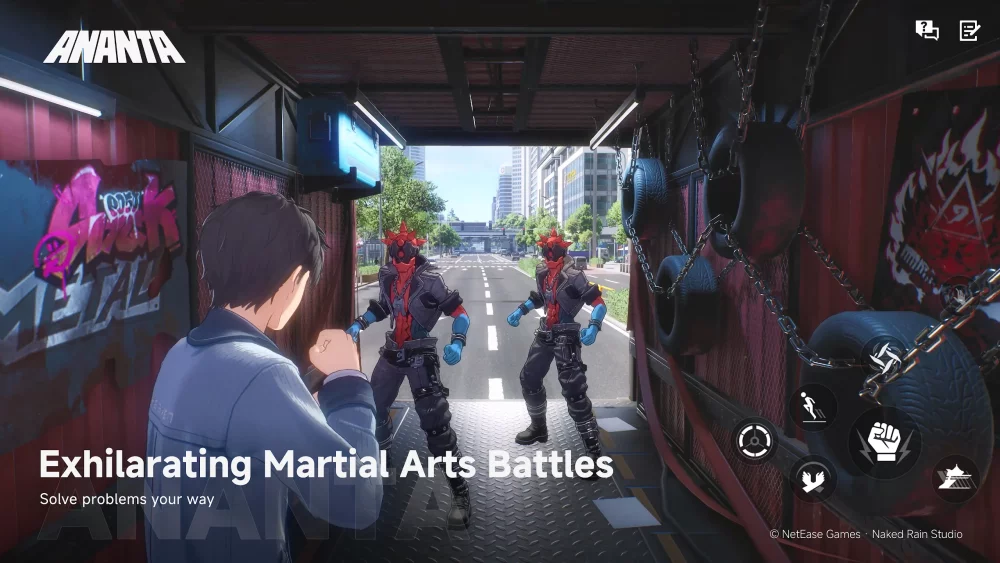
The journey of ANANTA is rooted in the high-fidelity technical demonstrations originally known as "ProjectMugen." For veterans of the community, recognizing this lineage is essential. The early "ProjectMugen" reveals were not just aesthetic showcases; they established the core architectural philosophy that defines the modern ANANTA experience: seamless urban traversal, high-speed mobility, and fluid, character-driven combat.
Understanding this transition from a conceptual "ProjectMugen" prototype to the refined ANANTA title helps players contextualize current build updates. The development team has utilized this evolution to pivot from broad technical demonstrations toward a focused, strategic simulation experience. If you are analyzing gameplay footage or developer diaries, look for the through-line between those early city-traversal mechanics and current resource management systems. This "continuity of design" is the best indicator of what the final gameplay loop will prioritize.
Decoding the Annual Information Cycle
One of the most distinctive aspects of ANANTA is its adherence to a rigid, year-long gap between major information releases. While many modern live-service games rely on constant, smaller social media updates, ANANTA operates on a "big bang" release philosophy.
Why the Annual Cadence Matters:
- Polished Reveals: The studio prioritizes showing near-complete systems rather than "work-in-progress" assets. This ensures that when new information drops, it is indicative of the final game state.
- Strategic Silence: The long periods of quiet are not signs of stagnation; they are essential development phases where the team performs deep-dive technical overhauls.
- Impactful Updates: Because updates are infrequent, each one usually brings a massive shift to the game’s core mechanics. Players who recognize this cycle can plan their "resource management" of time and hype accordingly, avoiding burnout during the quiet periods.
Maximizing Value from Major Industry Showcases
Events like Gamescom and other global gaming showcases are the primary conduits for ANANTA updates. Because these events occur during the developers' established annual rhythm, they serve as the "gold standard" for information.
How to Prepare for Major Showcases:
- Mark the Calendar: Always prioritize the live broadcast over later press releases. The nuance of a live developer walkthrough—showing how character movement interacts with the city environment—cannot be captured in a static image or a bulleted summary.
- Focus on Technical Shifts: During these showcases, look for changes in the HUD, resource tracking, or combat UI. These are your clearest indicators of how the developers are refining the game’s complexity.
- Community Consensus: Utilize the immediate post-showcase window to join community discussions. The "meta" of ANANTA is often born in the first 48 hours after a major reveal, as players dissect frame data and movement capabilities from trailer footage.
Strategic Resource Management and Player Preparation
Success in ANANTA requires a long-term mindset. Since the game emphasizes resource management and project development, your real-world strategy should mirror these in-game goals.
Strategies for Long-Term Engagement:
- Adopt the "Milestone" Mindset: Instead of checking for daily news, focus on the major milestones. By treating the project as a series of distinct phases, you can maintain a high level of excitement without being affected by the standard industry cycle of "hype-and-crash."
- Analyze the Architecture: Because ANANTA focuses on dense, stylized cityscapes, pay close attention to environmental trailers. These often hide clues about the game’s progression systems—such as how specific districts might unlock new tiers of resource collection or character utility.
- Cross-Reference Old and New: When a new update arrives, compare it against the original "ProjectMugen" concepts. If a feature has persisted through every iteration, it is likely a core pillar of the game’s design that you will need to master to remain competitive.
Managing Expectations: The Quality vs. Frequency Trade-off
It is a common mistake for players to confuse silence with a lack of progress. In the context of ANANTA, silence is a deliberate design choice that allows the team to avoid the pressures of early-access fatigue.
When the silence is finally broken, the information provided is typically substantial—often involving complete overhauls of traversal tech or major expansions to the city. For the player, this means you should be prepared to relearn aspects of the game with every major update. The "meta" will shift, and methods that were efficient a year ago may become obsolete.
By accepting this cycle, you position yourself as a "power player"—someone who doesn't panic during the quiet months but is ready to deep-dive into the new systems immediately upon release. This approach ensures that your progression is based on the most current data, allowing you to maintain a genuine competitive edge as ANANTA moves toward its final, polished release.
Ultimately, ANANTA is a game of patience and precision. By aligning your expectations with the studio’s established annual development cadence and focusing on the core architectural shifts from its "ProjectMugen" roots, you can navigate the path to launch with clarity and confidence.

Free ANANTA Codes
Current active codes and how to redeem them.

Emily Johnson
Emily writes practical mobile strategy guides with a focus on resource planning, base progression, and the early decisions that shape a long-term account.
COMMUNITY
Player Comments
26 players commented on this guide.
The tips are practical and easy to follow.
Nice guide. I am checking the other ANANTA articles next.
This saved me time in the early game.
Can you add more details about strategy in a future update?