
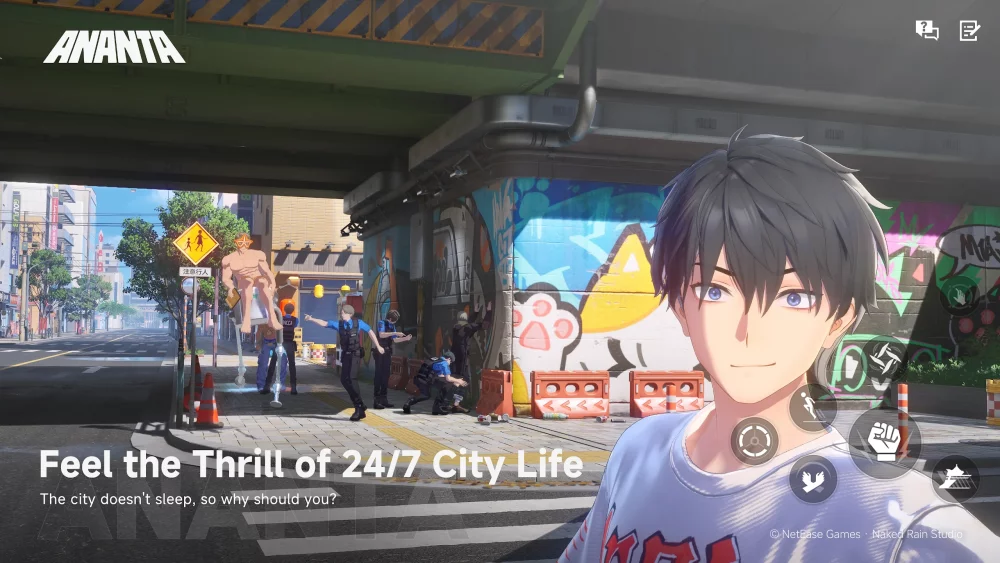
ANANTA is more than just a game; it is a high-fidelity, resource-intensive experience that demands significant mental bandwidth. For many players, the sheer depth of its systems can lead to a state where the game consumes not just their leisure time, but their cognitive capacity for daily tasks. However, "ruining your life" is an avoidable side effect of poor management, not a requirement for success. By applying professional time management principles and understanding the game’s psychological hooks, you can excel in ANANTA while maintaining complete control over your real-world responsibilities.
Defining Your Engagement Threshold
The most common mistake players make in ANANTA is playing until exhaustion rather than playing until a goal is met. The game is designed to be immersive, utilizing feedback loops that make it difficult to step away once you are in the flow. To combat this, you must define your "Engagement Threshold."
- Fixed Session Blocks: Instead of playing until you are tired, commit to a pre-defined block of time (e.g., 90 minutes). Use an external timer. When the timer hits zero, the session ends, regardless of your in-game progress.
- Goal-Oriented Play: Before launching ANANTA, define one primary objective. Whether it is clearing a specific tier, managing inventory, or engaging in faction diplomacy, knowing your "why" prevents aimless wandering that leads to "time-sink" fatigue.
- The "Exit Trigger": Establish a ritual to close the game. This could be a physical stretch or a specific organizational task within the game’s UI. Having a concrete signal that the session is over helps your brain transition out of the high-stakes headspace ANANTA requires.
Mastering the Cycle of Intensity
ANANTA utilizes "peak engagement" mechanics—moments where the game demands high-speed decision-making and rapid inputs. Managing your energy levels is critical to avoiding burnout.
- High-Intensity Windows: Dedicate your sharpest, most caffeinated hours to the most demanding content. If you are prone to afternoon fatigue, do not attempt high-stakes raids or complex system-building during those hours.
- Low-Intensity Maintenance: Reserve low-energy periods for the "chores" of ANANTA. This includes inventory sorting, base management, or reviewing market trends. These tasks are necessary but do not require your full focus, allowing you to stay productive without burning your cognitive reserves.
- The "Just One More" Trap: Recognize that the "just one more hour" feeling is a programmed response to variable reward schedules. When you hit a major milestone, the game will naturally nudge you toward the next. Force a break immediately after a victory; it is the most effective way to break the dopamine cycle.
Balancing Social Obligations and Solo Progression
The social layer of ANANTA is arguably its most demanding feature. Group expectations can quickly become a second job, leading to feelings of obligation rather than enjoyment.
- Protect Your Autonomy: If you find that your group's schedule dictates your sleep pattern, you have lost the balance. Dedicate at least 30-40% of your total playtime to solo objectives where you are not beholden to others.
- Set Clear Boundaries: Communicate your availability to your alliance or team early. A player who is consistently available for two hours at a specific time is more valuable to a group than a player who plays for eight hours sporadically.
- Know When to Pivot: If a group’s culture prioritizes constant, high-pressure availability that conflicts with your professional or personal life, find a new group. There are many communities within ANANTA that value efficiency over sheer hours logged.
Navigating the Anticipation of Future Updates
With ANANTA appearing at major events like Gamescom, the community often enters a state of "Waiting Room Syndrome." Players stop engaging with current systems to "save" their resources or energy for an unreleased patch. This is a trap.
- Avoid Theory-Crafting Fatigue: Speculating on future mechanics is fun, but it should not replace active play. If you aren't enjoying the current state of the game, do not force yourself to stay in the loop just to "prepare."
- The "Wait and See" Strategy: When major updates drop, do not feel pressured to be a pioneer. Let the community meta-game the new content for 48–72 hours. By the time you dive in, the most efficient routes and strategies will be documented, saving you hours of wasted trial and error.
- Master the Core: Updates are usually built on top of existing foundations. If you have mastered the core gameplay loops of ANANTA, you will be able to adapt to new content significantly faster than players who treat every patch as a blank slate.
Long-Term Sustainability and Mindset
The "ruined life" narrative is a warning about the lack of boundaries. The most successful players are those who treat ANANTA as a permanent fixture in their hobby rotation, not a sprint to the finish line.
- The Power of the Hiatus: If you feel the game becoming a chore, walk away for two weeks. The game’s servers and your progress will remain. Returning with a refreshed perspective is often the best way to regain the competitive edge you might have lost through burnout.
- Physical Integration: ANANTA requires high focus. Incorporate physical activity into your routine—even simple desk stretches or a short walk between sessions. This resets your nervous system and prevents the physical stagnation that often accompanies long-term gaming.
- Value-Add, Not Replacement: Your gaming time should be an additive to your life. If you are skipping meals, sleep, or social interactions to play ANANTA, you are no longer playing the game—the game is playing you. Re-center your priorities by treating the game as a reward for a productive day, not as a replacement for it.
By treating your time in ANANTA as a structured, managed project rather than an endless void, you reclaim your agency. The depth of the world is there to be enjoyed, but only if you remain the one in control of the clock.

Free ANANTA Codes
Current active codes and how to redeem them.

Sarah Williams
Sarah specializes in RPG and collection games, explaining team building, character growth, and beginner-friendly ways to avoid expensive early mistakes.
COMMUNITY
Player Comments
122 players commented on this guide.
This helped me understand strategy much better.
This saved me time in the early game.
This guide answered the exact question I had.
Nice guide. I am checking the other ANANTA articles next.