
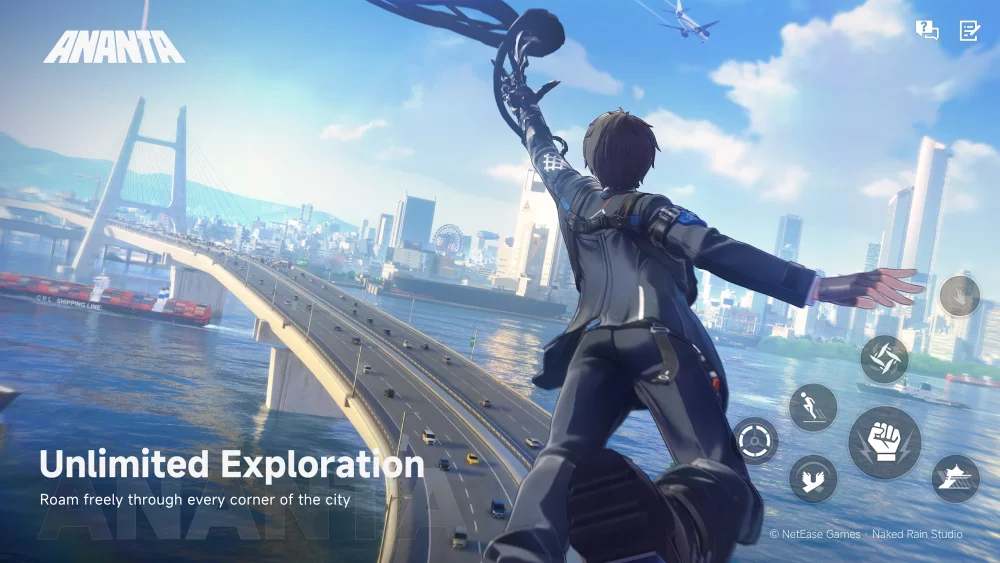
ANANTA is not a typical open-world sandbox; it is a meticulously crafted strategic simulation where the environment itself functions as the primary narrative engine. For players looking to move beyond basic mechanics and master the game’s deeper layers, understanding how to read and interact with the world’s aesthetic is the single most important skill. Unlike games that rely on clutter and density for "realism," ANANTA uses a highly stylized approach to communicate lore, threat levels, and objectives.
To succeed in ANANTA, you must treat the game’s world as a curated, evolving set piece rather than a playground for chaotic disruption. This guide details how to interpret visual cues, pace your progression for maximum narrative impact, and optimize your settings to preserve the developer’s intended artistic vision.
Understanding the "Visual Impact" Design Philosophy
The developers of ANANTA have moved away from hyper-realistic urban sprawl to embrace a philosophy of "visual impact." In practical terms, this means every district, building, and interior space is designed with a specific emotional resonance in mind.
Why Aesthetic Cohesion Matters
In other simulation games, you might look for mechanical markers—like a shop icon or a mission objective—to guide your next move. In ANANTA, the environment provides these markers through color theory and architectural framing.
- Color Palettes: Shifts in the primary color palette of a district often indicate the socio-economic status or the current "threat level" of that area.
- Negative Space: The use of empty, stylized space is intentional. It forces the player to focus on specific landmarks, effectively acting as a visual "compass" to direct your attention toward key narrative nodes.
- Architectural Logic: Buildings are designed to mirror the game's internal narrative logic. If you are entering a high-stakes zone, the architecture will shift to reflect that tension through sharper lines and more oppressive lighting.
Prioritizing Atmospheric Pacing Over Sandbox Freedom
One of the most common mistakes new players make in ANANTA is rushing through content. Because the game rewards those who engage with its environmental storytelling, treating it like a traditional sandbox—where you sprint from point A to point B—will cause you to miss the subtle world-building clues essential for mastering the long-term simulation.
The "Slow-Walk" Strategy
We recommend a "deliberate traversal" approach. By slowing your movement in new districts, you allow the game’s environmental cues to register. This isn't just for immersion; it is a tactical choice. The visual language of the world informs you of upcoming project development opportunities or resource management challenges before they appear in your UI.
- Observation Phase: Spend the first few minutes in a new sector observing the lighting and the behavior of the inhabitants.
- The Narrative Loop: ANANTA structures its content in "visual beats." If the lighting shifts from warm to cool, you are likely transitioning between different narrative chapters. Use these shifts to prepare for the specific resource management challenges that accompany each phase of the story.
Reading the World: Visual Cues as Narrative Tools
ANANTA minimizes traditional UI clutter, forcing players to rely on their eyes. To play at a professional level, you must learn to translate these visual signals into actionable game decisions.
Decoding Environmental Indicators
- Lighting as a Threat Meter: High-contrast, harsh lighting often indicates areas where your resource management strategies will be under pressure. Use these spaces to tighten your project planning and minimize waste.
- Atmospheric Density: When an area feels "overly bright" or "oppressive," it is an intentional design choice intended to influence your decision-making. These environmental states often act as modifiers to your project efficiency, meaning you should adjust your long-term strategies to match the "mood" of the district you are developing.
- UI-Free Navigation: By relying on visual cues rather than mini-map markers, you build a deeper intuition for the map. This leads to faster decision-making during high-pressure cycles, as you don't need to consult menus to understand your current standing within the game’s narrative framework.
Technical Optimization: Preserving the Artistic Vision
Because the visual style of ANANTA is a core mechanic, your technical settings are directly tied to your gameplay effectiveness. Performance stutters or blurry, low-fidelity textures can obscure the subtle visual cues needed to navigate the world effectively.
Settings Recommendations for Maximum Immersion
To maintain the intended "rhythm" of the game, prioritize settings that maintain artistic integrity over raw frame rate, provided your hardware can handle it.
- Lighting and Shadows: Never set these to low. The game’s narrative is communicated through its lighting engine; losing shadow depth means losing critical information about the environment.
- Texture Quality: Keep this at medium or high. Lower settings can muddy the stylized textures, making it difficult to read the visual "language" of the architecture.
- Post-Processing: Keep this enabled. It is responsible for the color grading that dictates the mood of the world. Disabling it turns the game into a flat, sterile simulation, stripping away the narrative context.
If you are struggling with performance, prioritize Shadow Depth and Lighting Quality above all else. If you have to sacrifice performance to keep these settings high, do it. The game is designed to be experienced as a cohesive whole, and the visual feedback is the most reliable tool in your arsenal.
Final Thoughts: Mastering the ANANTA Experience
Mastering ANANTA requires a fundamental shift in how you approach gaming. It is a title that asks you to be an observer as much as a manager. By prioritizing environmental immersion, learning to read the visual language of the world, and protecting the intended artistic fidelity through smart hardware settings, you will find yourself not just playing the game, but fully inhabiting its carefully constructed reality.
Remember: in ANANTA, the environment is never just a backdrop. It is a living, breathing component of the simulation. Take your time, observe the shifts in light and shadow, and let the world dictate your next move. Those who master this atmospheric approach will find that they are not just completing objectives, but actively participating in the complex, long-term project development that defines the core of the experience.

Free ANANTA Codes
Current active codes and how to redeem them.

Sarah Williams
Sarah specializes in RPG and collection games, explaining team building, character growth, and beginner-friendly ways to avoid expensive early mistakes.
COMMUNITY
Player Comments
159 players commented on this guide.
This saved me time in the early game.
I wish I had read this before upgrading the wrong thing.
This guide answered the exact question I had.
This helped me understand base building much better.