
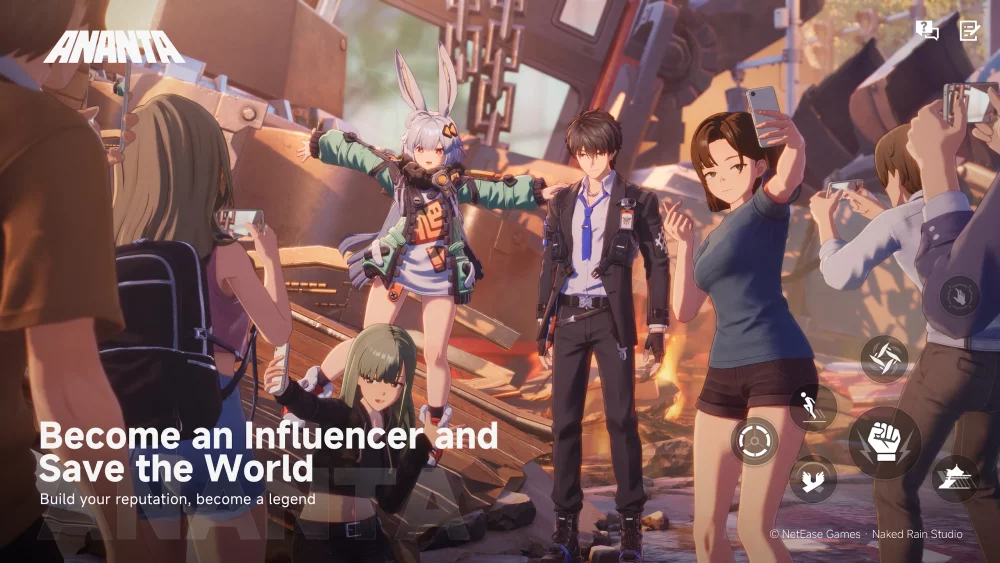
The official launch of ANANTA marks a significant milestone for strategic simulation and high-fidelity action gaming. With the latest trailers showcasing unprecedented visual refinement and a shift toward kinetic, high-stakes combat, players must pivot from casual observation to tactical preparation. Whether you are an enthusiast of deep resource management or a competitive player looking to dominate the leaderboards, success in ANANTA requires a blend of technical optimization and strategic foresight.
Analyzing Visual Fidelity and Hardware Optimization
The visual direction of ANANTA is a core pillar of its identity. Recent updates reveal a sophisticated art style that balances vibrant, stylized environments with high-density particle effects during combat. This aesthetic choice is not merely cosmetic; it is functional. Clarity is prioritized, ensuring that even during the most chaotic encounters, players can track enemy movement and environmental hazards.
To achieve the best balance between immersion and performance, follow these configuration steps upon launch:
- Shadow and Lighting Quality: Start at "High" and scale down if you experience dips during frame-intensive sequences. Lighting in ANANTA often dictates the visibility of telegraphs and movement cues.
- Resolution Scaling: If your hardware struggles to maintain a consistent 60+ FPS, prioritize internal resolution scaling over lowering texture quality. Maintaining high-resolution textures preserves the game’s distinct art style while keeping the UI crisp.
- Refresh Rate Sync: Given the kinetic nature of the game, ensure your display settings are set to your monitor's maximum native refresh rate. V-Sync should only be enabled if you experience screen tearing; otherwise, leverage G-Sync or FreeSync to minimize input latency.
Mastering Kinetic Combat Pacing
ANANTA moves away from the static, turn-based simulations often found in the genre, opting instead for a fluid, movement-centric combat system. Success in this environment depends on your ability to integrate "animation canceling" and rapid positioning into your muscle memory.
The Pillars of Kinetic Combat
- Momentum Maintenance: The game rewards players who stay in constant motion. Static positions often make you a target for area-of-effect abilities. Practice "strafing" between ability triggers to keep your hitbox dynamic.
- Input Responsiveness: Because combat is fast-paced, your control setup is vital. If using a controller, consider remapping dodge or primary ability triggers to bumpers or paddles to avoid taking your thumbs off the analog sticks.
- Predictive Positioning: Pay close attention to enemy telegraphs. In ANANTA, the time between a telegraph and the impact is tight, rewarding players who position themselves before the action occurs rather than reacting after the fact.
Managing Performance Expectations at Launch
Transitioning from a trailer to an active server environment can often reveal performance bottlenecks. To ensure a smooth day-one experience, approach the launch with a "Performance-First" mindset.
- Benchmark Early: Spend your first 30 minutes in a high-density area or social hub. These zones are the most demanding on your CPU and will provide the most accurate representation of how your hardware handles the game’s peak load.
- Latency Management: ANANTA’s competitive edge relies on timing. If you notice stuttering, immediately check for background processes that may be consuming your CPU. In competitive play, even a 10ms spike in latency can result in missed skill shots or failed dodges.
- Driver Readiness: Always ensure your GPU drivers are updated to the latest Game Ready version specifically optimized for the release window of ANANTA.
Leveraging Community Knowledge and Sentiment
The ANANTA community is an invaluable asset. As players begin to uncover hidden interactions, optimal character builds, and performance tweaks, the official Discord and community forums will become the primary source for "meta" information.
Don't ignore the sentiment surrounding specific mechanics or early-game bugs. If a large segment of the player base reports that a certain graphic setting causes crashes or that a specific character archetype is underperforming, take note. Using collective intelligence allows you to avoid "traps"—such as investing rare, early-game resources into characters or gear that the community has already identified as inefficient.
Strategic Progression and Long-Term Planning
While the immediate hype focuses on the launch, the longevity of your ANANTA experience depends on your long-term resource management. You should not treat your early progression as a sprint; instead, view it as a foundation-building phase.
Prioritizing Your Early Investment
- Focus on Versatility: In the early stages, prioritize characters or builds that offer utility across multiple game modes. Versatile units are less likely to fall out of favor when the game’s "meta" inevitably shifts with the first content patch.
- The Resource Cycle: Understand the rotation of currency and upgrade materials. Do not exhaust your primary resources on mid-tier gear that will be replaced within the first week of play. Reserve your "high-value" materials for equipment or units that show clear potential to scale into the late-game.
- Goal-Oriented Gameplay: Set specific milestones for your first week. Whether it is reaching a certain level cap, unlocking a specific social feature, or completing a series of challenges, having a defined goal prevents the "paralysis of choice" that often comes with complex strategic simulations.
Avoiding Common Launch-Day Mistakes
Even experienced players can fall into common traps during a major release. Avoiding these pitfalls will put you ahead of the curve:
- The "Meta-Chase" Trap: Avoid chasing the "top-tier" meta characters immediately. Often, these rankings are based on theoretical maximums that require resources you won't have for weeks. Build what is reliable and effective for your current playstyle.
- Ignoring Tutorials: ANANTA is a deep simulation. Even if you are a veteran of the genre, the game’s specific nuances regarding combat movement and project management are unique. Spend the time to understand the core mechanics to avoid making costly, irreversible decisions.
- Neglecting Social Integration: The game is designed for long-term development. Being part of a guild or community group early grants you access to shared resources and collaborative strategies that are essential for conquering end-game content.
By focusing on these technical, mechanical, and strategic pillars, you position yourself not just to survive the ANANTA launch, but to thrive in the competitive landscape that follows. Stay adaptable, prioritize your system’s stability, and invest your resources with the future in mind.

Free ANANTA Codes
Current active codes and how to redeem them.

Emily Johnson
Emily writes practical mobile strategy guides with a focus on resource planning, base progression, and the early decisions that shape a long-term account.
COMMUNITY
Player Comments
42 players commented on this guide.
The tips are practical and easy to follow.
Nice guide. I am checking the other ANANTA articles next.
The explanation is clear, especially for beginners.
Can you add more details about early game in a future update?