
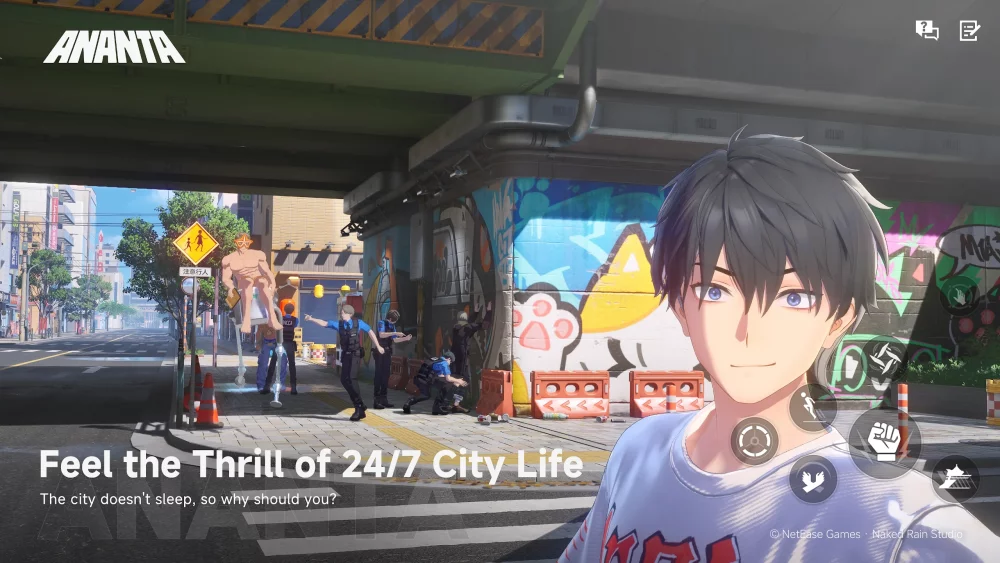
In the strategic simulation environment of ANANTA, achieving peak performance requires more than just mechanical proficiency; it demands a deep, intuitive grasp of emotional pacing and the synchronization of character presence with the game’s shifting aesthetic landscape. To consistently secure high-tier rankings, you must master the art of aligning your character's narrative delivery with the visual cues provided during high-stakes sequences. This guide breaks down the core mechanics of performance optimization, helping you transform from a passive participant into a master of the stage.
The Mechanics of Emotional Resonance in ANANTA
At the heart of ANANTA lies the Emotional Resonance engine. This system tracks how effectively your character’s internal state mirrors the external environmental data. When you enter a sequence, the game constantly evaluates the "discordance" between your character's actions and the scene’s visual feedback.
A "discordant" rating occurs when your inputs—movement speed, vocal cadence, or interaction intensity—clash with the scene's established mood. To avoid this, you must treat every environment as an extension of the character. If the scene transitions into a high-contrast, high-intensity visual mode, the engine expects a corresponding increase in your character’s output.
Key indicator tracking:
- Chromatic Aberration: Signals a shift in emotional intensity; prepare to adjust your cadence.
- Lighting Shifts: Warmer tones suggest internal character warmth or joy; cooler, desaturated tones demand a more reserved, melancholic approach.
- Rhythmic Pulses: These visual cues indicate the "tempo" of the scene, serving as a metronome for your character's movement.
Leveraging Character Archetypes for Performance Weight
Each character in ANANTA possesses a unique "performance weight," a metric that defines their baseline range of emotional expression. Misaligning a character with the wrong scene type is one of the most common reasons players fail to hit the required performance thresholds.
- The Stoic Archetype: These characters excel in low-tension, high-dialogue segments. They require minimal input to maintain resonance, saving you stamina for climactic peaks.
- The Expressive Archetype: Designed for high-stakes sequences, these characters offer superior scoring potential during scenes with rapid visual changes but are prone to "over-performance" penalties if handled during quiet moments.
Expert Tip: In multi-character sequences, adopt a "Base and Anchor" strategy. Assign your stoic character to provide the grounded, baseline performance, while using your expressive character to handle the emotional spikes. This duality creates a layered narrative score that significantly outperforms a singular approach.
Strategic Pacing: The Art of Resource Management
Pacing is the backbone of the "flow" state in ANANTA. Many players make the critical mistake of "front-loading" their performance—exhausting stamina resources at the start of a scene to chase early points. However, the game’s scoring algorithm is heavily weighted toward the climax and resolution of a sequence.
The Three-Phase Pacing Strategy
- Preparation (Low-Tension): Focus on minimal, deliberate movements. Use this time to observe the lighting and background assets, identifying the "pivot point" where the scene intensity will increase.
- Escalation (Mid-Tension): Begin to introduce slight increases in input speed. If you are using an expressive character, start testing the limits of their emotional range here.
- Climax (High-Tension): This is where you burn your stamina. Match the rhythmic pulses on the screen exactly. Precision is more important than raw speed; a perfectly timed input during a climax is worth three times the value of a rushed, imprecise input.
Navigating Trade-offs: Consistency vs. Improvisation
While strict adherence to the script guarantees a baseline performance, true mastery in ANANTA is found in calculated improvisation. The game rewards "Emotional Pivots"—unexpected shifts in character delivery that remain within the thematic bounds of the scene.
How to execute a safe pivot:
- The Micro-Adjustment: Instead of a full-scale change in movement, adjust the timing of your input by a fraction of a second.
- The Thematic Check: Only pivot when the environmental feedback allows for a transition. For example, if the scene is shifting from a somber tone to one of realization, a subtle increase in movement speed acts as a thematic pivot that the game classifies as "high-intelligence" play.
Warning: Straying too far from the established emotional trajectory leads to a "narrative break." This not only resets your character’s state but incurs a significant "discordance penalty" that can derail your entire run. Always test your pivots in the training module before applying them in live, high-stakes events.
Advanced Strategies for Long-Term Progression
To maintain a competitive edge in ANANTA, you must think beyond individual scenes and consider your overall career trajectory. Your performance history influences the types of events you are invited to and the resources available to your characters.
- The Compound Effect: Consistent performance builds "Stage Presence" stats for your characters. Higher Stage Presence lowers the stamina cost of emotional shifts, allowing for more complex improvisations in later game stages.
- Environmental Preparation: Before starting a mission, review the environmental description. If a mission is set in a high-intensity, urban environment, prioritize characters with high "Adaptability" stats.
- The "Reset" Protocol: If you notice your performance beginning to drift into the discordant zone, stop all inputs immediately for one second. This "dead-stop" allows the engine to reset your character’s baseline, preventing the more severe narrative break penalty.
Summary of Common Mistakes to Avoid
- Over-performing in the early game: Consuming stamina during low-tension scenes leaves you empty-handed during the final, high-value narrative peaks.
- Ignoring character archetypes: Trying to force an expressive character into a stoic role results in lower resonance scores and higher stamina drain.
- Static input timing: The game’s rhythm is dynamic. Relying on a static, repetitive input pattern will inevitably result in discordance as the scene evolves.
- Neglecting the training module: Many players skip training, missing the subtle visual cues that separate a "Good" performance from a "Master" performance.
By applying these principles of synchronization, resource management, and calculated improvisation, you will find that ANANTA becomes a game of deep, rewarding strategic depth. Focus on the interplay between your character’s internal state and the external world, and you will consistently dominate the rankings.

Free ANANTA Codes
Current active codes and how to redeem them.

Sarah Williams
Sarah specializes in RPG and collection games, explaining team building, character growth, and beginner-friendly ways to avoid expensive early mistakes.
COMMUNITY
Player Comments
37 players commented on this guide.
Can you add more details about heroes in a future update?
This helped me understand heroes much better.
I tried this today and it worked better than my old setup.
This guide answered the exact question I had.