
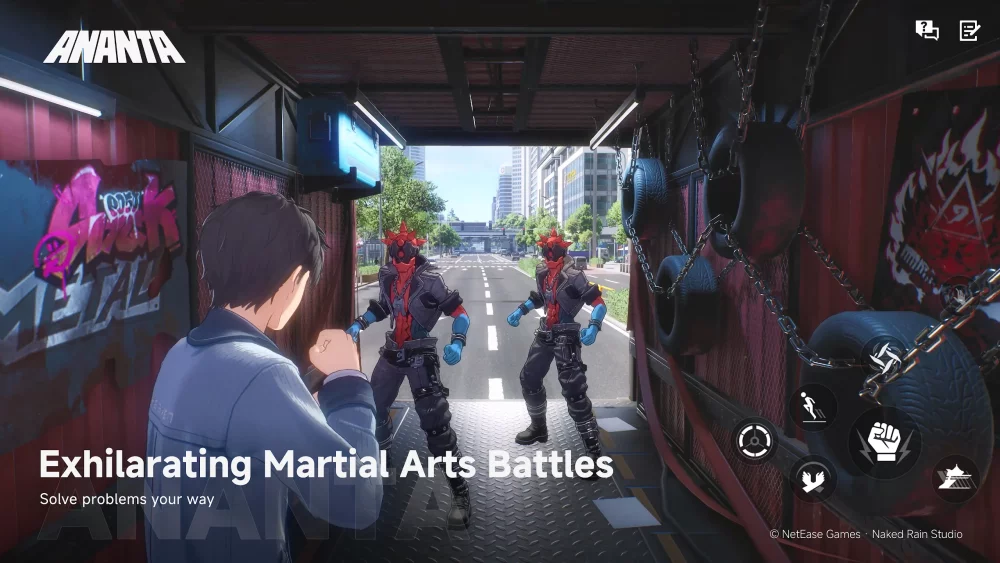
To excel in ANANTA, players must shift their focus from traditional combat-centric gameplay to a fluid, movement-based mastery of the game’s dense urban environment. As an emerging title in the strategic simulation and open-world space, ANANTA rewards players who treat the map as a dynamic resource rather than a static background. This guide provides the foundational knowledge required to navigate, explore, and optimize your experience during technical testing phases.
Understanding the Urban Open-World Landscape
The core of the ANANTA experience revolves around navigating a highly detailed, vertical urban environment that encourages constant, high-speed movement. Unlike standard open-world titles, ANANTA utilizes a design philosophy where environmental interaction is a primary mechanic. The architecture is not merely decorative; it is a complex grid of potential pathways.
Players who succeed early will be those who treat the map as a "flow state" playground. To master this:
- Identify Verticality: Look for architectural features that imply elevation—rooftops, scaffolding, and elevated transit lines.
- Map "Flow Routes": Early testing should be spent identifying paths that allow for uninterrupted travel. If you are constantly dropping to street level, you are likely missing the high-speed traversal routes intended by the developers.
- Environmental Physics: Understand that momentum is your most valuable asset. ANANTA’s physics engine rewards players who maintain speed through corners and vaulting transitions.
Analyzing Character Archetypes and Combat Roles
ANANTA introduces a tiered roster of characters, each equipped with specific kits that influence both combat and exploration. During technical tests, your priority should be testing how different abilities modify your interaction with the environment. Treating every character the same is a common mistake that limits your efficiency.
Mobility-Focused Archetypes
These characters are designed for rapid repositioning and reaching inaccessible vantage points. Use these to scout the map, discover hidden resource nodes, and escape high-pressure combat situations. Their kits usually include dashes, air-jumps, or wall-cling mechanics that allow for unique exploration paths.
Utility-Based Archetypes
Utility characters bridge the gap between combat and traversal. They may offer buffs that increase movement speed or create temporary platforms. These are essential for navigating complex urban puzzles or providing tactical advantages during team-based objectives.
Combat-Specialized Archetypes
While these characters focus on damage output, they often possess "weighty" movement mechanics. Use these for clearing high-density enemy clusters or defending static objectives where mobility is secondary to defensive staying power.
Navigating Technical Testing Constraints
Technical tests are iterative snapshots of development. Your role as a player is not just to "win," but to stress-test the systems. Because these sessions are time-limited, you should adopt a professional approach to your play-time.
- Prioritize Mechanics over Aesthetics: Do not waste limited testing time on cosmetic customization. Focus entirely on the movement system, ability cooldowns, and collision detection.
- Document Inconsistencies: If you encounter a wall-run that clips or an aerial adjustment that feels unresponsive, document the exact location and the character used. This data is the most valuable contribution you can provide to the developers.
- Stress the Physics: Don’t just follow the intended paths. Try to climb objects that look "out of bounds." Identifying where the collision meshes fail helps the team refine the map's boundaries.
The Strategy of Resource-Intensive Movement
Efficiency in ANANTA is fundamentally tied to the "Energy Economy." In many high-level builds, your traversal abilities and combat skills draw from the same resource pool. This creates a critical strategic trade-off:
- The Mobility Tax: If you use your primary mobility skill to close the distance to a fight, you may find yourself without the energy needed to use defensive or offensive abilities once you arrive.
- The Vantage Point Trade-off: Reaching a high-ground sniper position is efficient for combat, but if it costs your entire energy bar to get there, you are vulnerable to immediate retaliation.
A high-level player in ANANTA calculates the cost of travel before engaging. Always ensure you have a "reserve" of energy to facilitate a retreat or an emergency defensive action. If you find yourself frequently stranded without energy after a parkour sequence, you are prioritizing speed over survival.
Common Pitfalls and How to Avoid Them
Even experienced open-world players often struggle with the transition to ANANTA’s specific design. Here are the most common mistakes to avoid:
- Relying on the HUD/Minimap: The game uses subtle lighting and architectural highlights (such as specific colors or flashing indicators) to guide exploration. Relying solely on the minimap creates "tunnel vision," causing you to miss shortcuts and vertical traversal opportunities.
- Static Combat Positioning: Players who stand still in combat are easy targets. ANANTA’s combat is designed to be mobile. Practice "stutter-stepping" or using small traversal inputs even while engaged in weapon fire to remain a difficult target.
- Ignoring Cooldown Management: Developing a rhythm for your skills is essential. If you dump all your movement abilities at once, you will inevitably face a "dead zone" where you are slow and vulnerable. Learn the cadence of your character’s kit to ensure you always have a movement option available.
Conclusion: Preparing for the Long Term
As ANANTA moves through its development cycles, the meta will shift, but the fundamentals of movement and resource management will remain constant. By mastering the verticality of the city, understanding the specific interplay between your character’s mobility and their energy economy, and contributing thoughtful feedback during technical tests, you position yourself as an expert in the game’s ecosystem. Focus on the flow, keep your energy management in check, and treat the city not as a obstacle, but as your most important tool for victory.

Free ANANTA Codes
Current active codes and how to redeem them.

Michael Smith
Michael covers live-service games, events, reward systems, and efficient daily routines, turning frequent updates into clear actions for players.
COMMUNITY
Player Comments
116 players commented on this guide.
Nice guide. I am checking the other ANANTA articles next.
Can you add more details about resources in a future update?
This guide answered the exact question I had.
I tried this today and it worked better than my old setup.