
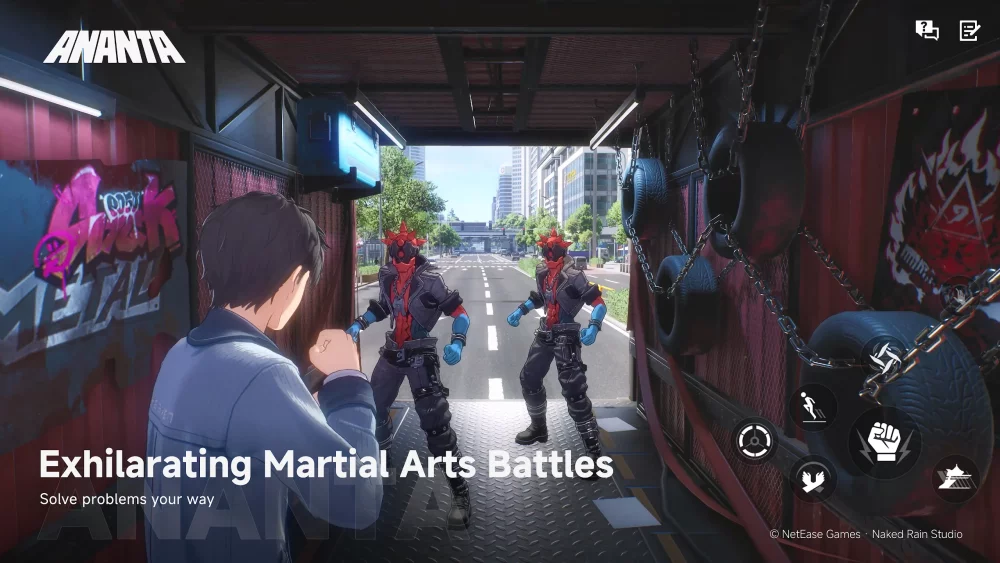
ANANTA is currently positioning itself as a disruptive force in the subculture gaming landscape. For players accustomed to the repetitive, stat-heavy grind of traditional gacha titles, ANANTA offers a refreshing—and occasionally challenging—departure from industry norms. To succeed, players must move away from rigid tier lists and toward a philosophy of systemic literacy and narrative integration.
Understanding the "Meta-Changer" Identity
The core appeal of ANANTA lies in its rejection of the standard "power-creep" model. In most genre competitors, the meta is dictated by whoever possesses the highest numerical damage output. In ANANTA, the developers have pivoted toward a design where character strength is defined by environmental synergy and world-logic.
This is not merely a stylistic choice; it is a fundamental shift in how you should approach team building. Because the game emphasizes how characters interact with their environment, a "weak" unit on paper may become a cornerstone of your strategy when paired with specific narrative or environmental modifiers. Understanding this shift is the first step toward gaining a competitive edge.
Why the Industry is Watching ANANTA
The "meta-changer" label isn't just marketing—it’s an observation of how the game’s development cycle impacts the player experience. Industry analysts are monitoring ANANTA because it prioritizes:
- Sustainable Monetization: By moving away from aggressive, short-term profit extraction, the game fosters a longer, more stable lifecycle.
- Narrative-Driven Progression: Instead of forcing players through high-frequency loot loops, the game rewards engagement with its world-building and lore.
- Experimental Mechanics: The developers are taking risks that deviate from standard genre conventions, leading to a more distinct, high-quality user experience that discourages "burnout."
Adapting Your Playstyle to the New Meta
If you are coming to ANANTA from a more traditional subculture game, you will need to unlearn several habits. Success here is measured by flexibility and deep system knowledge rather than brute force.
1. Prioritize Synergy Over Raw Stats
In ANANTA, a character’s value is derived from their role within the ecosystem. When evaluating a new recruit, ask: "How does this character change the way the team interacts with the current stage?" Focus on utility—debuffs, environmental manipulation, and position-based bonuses—rather than just base attack multipliers.
2. Embrace Environmental Storytelling
Progression in ANANTA is often gated by your ability to interpret the world. Key clues for optimizing your team are frequently hidden in the environmental design and narrative context of the missions. Treat the lore not as flavor text, but as a manual for how to overcome specific stage challenges.
3. Resource Allocation for Versatility
Since the meta in ANANTA is designed to be fluid, investing all your resources into a single "carry" unit is a high-risk move. Instead, focus on upgrading characters who demonstrate versatility across multiple game modes. Versatile units are your best insurance against balance shifts and evolving content cycles.
Strategic Milestone Planning
To maintain a competitive edge, you must plan your progression in phases. Unlike games that rely on rapid power spikes, ANANTA rewards consistent, long-term development.
- Phase 1: The Foundation. Early game should be spent identifying core units that provide strong baseline utility. Do not over-invest in specialized units until you have a solid "all-rounder" team.
- Phase 2: System Literacy. Once you have a stable team, start experimenting with niche combinations. Use the game’s simulation tools to test how different characters affect the environment.
- Phase 3: Content Preparation. As you reach higher-tier content, shift your focus to "synergy chains"—sequences of character abilities that, when triggered in specific orders, exponentially increase team effectiveness beyond their individual capabilities.
Common Mistakes to Avoid
Many veteran players struggle with ANANTA because they apply "old-school" logic to a new ecosystem. Here are the most common pitfalls:
- The "Tier List" Trap: Blindly following tier lists created for other games—or even early-access tier lists for ANANTA—will lead to inefficient resource spending. Focus on your specific roster and the synergy you can build within it.
- Ignoring Utility Units: Players often prioritize "cool" or high-damage characters, neglecting the utility units that actually enable those characters to succeed. Always keep a balance of support and control units.
- Neglecting Long-Term Goals: Don't get caught up in the "three-month content cycle" mentality. ANANTA is designed for the long haul; focus on horizontal growth (broadening your roster's capabilities) rather than vertical growth (maxing out a single character's level).
Navigating the Progression Curve
Because ANANTA values depth over the instant gratification of high-frequency rewards, some players may find the early progression curve slower than expected. This is intentional. The game is designed to build a complex, cohesive world that requires time to master.
By shifting your mindset from "beating the game" to "experiencing the ecosystem," you will find that the rewards in ANANTA are much more satisfying. The game’s design encourages you to find your own path, rewarding creativity and systemic understanding rather than just hours spent grinding.
Final Strategic Takeaways
To remain competitive in ANANTA, you must stay reactive. The meta will shift as developers introduce new environmental systems and narrative arcs. Your greatest asset will not be a specific character, but your ability to analyze new mechanics and adapt your team composition to meet them.
By focusing on system experimentation, narrative engagement, and versatile resource management, you will position yourself ahead of the curve. Keep an eye on the official development roadmaps; the transparency offered by the ANANTA team is a rare advantage that you should use to plan your long-term progression effectively. Stay flexible, keep experimenting, and remember that in the world of ANANTA, the most powerful tool in your arsenal is your understanding of the system itself.

Free ANANTA Codes
Current active codes and how to redeem them.

Emily Johnson
Emily writes practical mobile strategy guides with a focus on resource planning, base progression, and the early decisions that shape a long-term account.
COMMUNITY
Player Comments
85 players commented on this guide.
Good guide for ANANTA players. The strategy part was useful.
Nice guide. I am checking the other ANANTA articles next.
This saved me time in the early game.
I tried this today and it worked better than my old setup.