
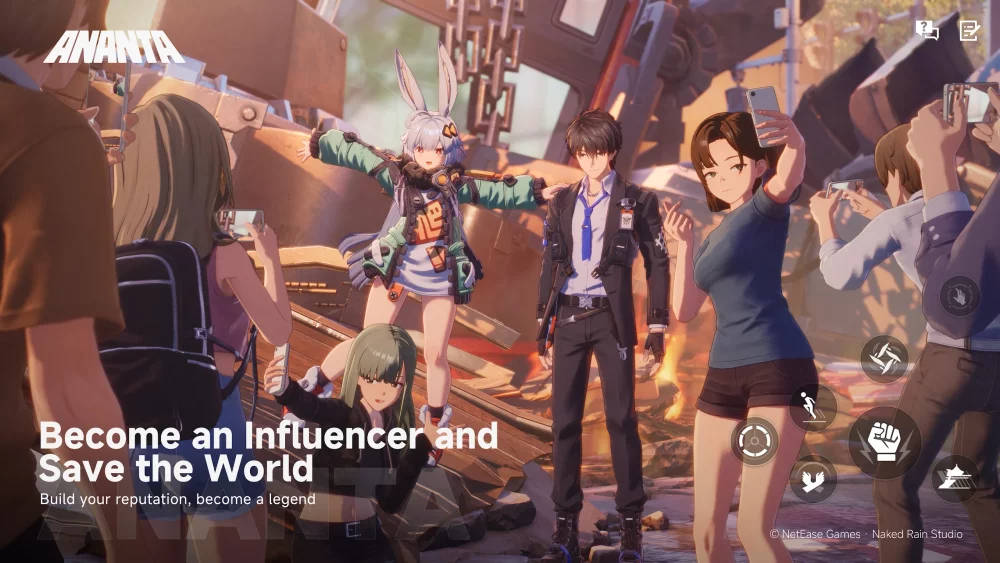
To effectively navigate the newly revealed areas in ANANTA, you must master the synergy between high-speed environmental traversal and reactive, fluid combat engagement. Following the latest updates from Gamescom 2026, it is clear that ANANTA’s newest regions demand a shift in player mindset: you can no longer rely on static positioning. By leveraging the specific terrain features and fluid animation transitions introduced in these zones, players can maintain constant momentum, turning the environment into a weapon while successfully handling increased enemy density.
Navigating Complex Terrain and Verticality
The latest zones in ANANTA represent a departure from traditional, flat-plane exploration. The developers have emphasized verticality and multi-layered map design, which fundamentally changes how you approach objective markers.
- Vertical Advantage: Always seek high ground before engaging. The new areas are designed with interconnected walkways and elevated platforms that serve as superior vantage points.
- The Three-Dimensional Mindset: Stop viewing the map as a surface to walk across. Use wall-running and aerial dashes to link seemingly disconnected platforms.
- Environmental Cues: Look for color-coded markers or structural patterns that indicate hidden paths. These shortcuts often bypass high-risk enemy clusters, allowing you to reach objectives with your resources intact.
Mastering these movement mechanics is not just about speed; it is about energy management. By traversing efficiently, you preserve your stamina and ability cooldowns for the combat encounters that await at your destination.
Mastering Fluid Combat Transitions
In the newest ANANTA content, the transition from traversal to combat is the single most important skill for survival. If you stop moving, you become an easy target for the game’s updated, faster-moving enemy archetypes.
The secret to high-level play is "Combat-in-Motion." Instead of stopping to engage, treat your attacks as an extension of your movement. By initiating strikes mid-dash or immediately upon landing, you retain your kinetic energy. This keeps you difficult to track and allows you to reposition constantly while dealing damage.
Pro-Tip for Transitions: Practice "Animation Canceling" by using your movement dash to cut short the recovery frames of your heavy attacks. This allows you to chain abilities together in a rhythm that keeps enemies staggered and prevents them from surrounding you.
Identifying and Countering New Enemy Archetypes
The enemy density in the new ANANTA regions is higher than in the base game, and these units are significantly more intelligent. They are specifically programmed to punish static, "turtle-style" gameplay.
- Support Units First: Always prioritize enemies that offer buffs or crowd-control effects to their allies. These units usually have lower health but will make the fight exponentially harder if left alive.
- Read the Telegraphs: Every new enemy type features unique wind-up animations. Whether it is a glowing indicator or a specific stance, these cues are your best friend. Dodging based on the animation rather than the sound effect is the key to surviving high-difficulty encounters.
- Adaptive Aggression: If an enemy type is resistant to your current weapon loadout, use your environment to disengage, swap your tactics, and re-engage from a different angle.
Strategic Positioning: Controlling the Flow of Battle
In ANANTA, the environment is not just scenery; it is a tactical tool. When you are forced into an objective in a confined area, your goal is to funnel the enemy.
- Chokepoint Utilization: Narrow corridors or doorways are your best friends when outnumbered. By positioning yourself at these bottlenecks, you negate the enemy's numerical advantage and force them to engage you one or two at a time.
- Forcing the Chase: If a fight is going poorly, do not stand your ground. Use your superior mobility to break line-of-sight and lure enemies into a location that favors your kit. Forcing enemies to chase you often causes them to bunch up, making them perfect targets for area-of-effect abilities.
- Scouting Before Committing: Before you trigger a world event or open a chest, scan the perimeter. If you see a high ledge nearby, claim it. Control the engagement zone before the enemy even knows you are there.
Common Mistakes and How to Avoid Them
Even experienced players fall into traps when navigating new content. Avoid these common pitfalls to stay ahead of the curve:
- The "Stationary Trap": Standing still to finish a long attack animation. If you aren't moving, you are vulnerable. If an animation is too long, dodge-cancel out of it.
- Ignoring Verticality: Players who stick to the ground level in new areas find themselves flanked constantly. If you feel like you are always surrounded, you are likely too low. Get to the high ground.
- Over-Committing to One Target: In higher-density encounters, tunneling on a single enemy is a death sentence. Always maintain a 360-degree awareness of your surroundings. If a new threat enters your peripheral vision, pivot immediately.
Conclusion: The Path to Mastery
Success in the new ANANTA regions is defined by your ability to stay fluid. By combining vertical traversal, animation-conscious combat, and aggressive positioning, you transform from a target into a predator. As you explore these updated zones, remember that the game is designed to reward those who take risks with their movement. Stop playing defensively and start using the entirety of the map to dictate the pace of your journey. With these strategies in mind, you will find that even the most dense enemy clusters become manageable, paving the way for consistent, efficient progression through the latest content cycles.

Free ANANTA Codes
Current active codes and how to redeem them.

Sarah Williams
Sarah specializes in RPG and collection games, explaining team building, character growth, and beginner-friendly ways to avoid expensive early mistakes.
COMMUNITY
Player Comments
108 players commented on this guide.
This helped me understand strategy much better.
Can you add more details about strategy in a future update?
I tried this today and it worked better than my old setup.
I wish I had read this before upgrading the wrong thing.