
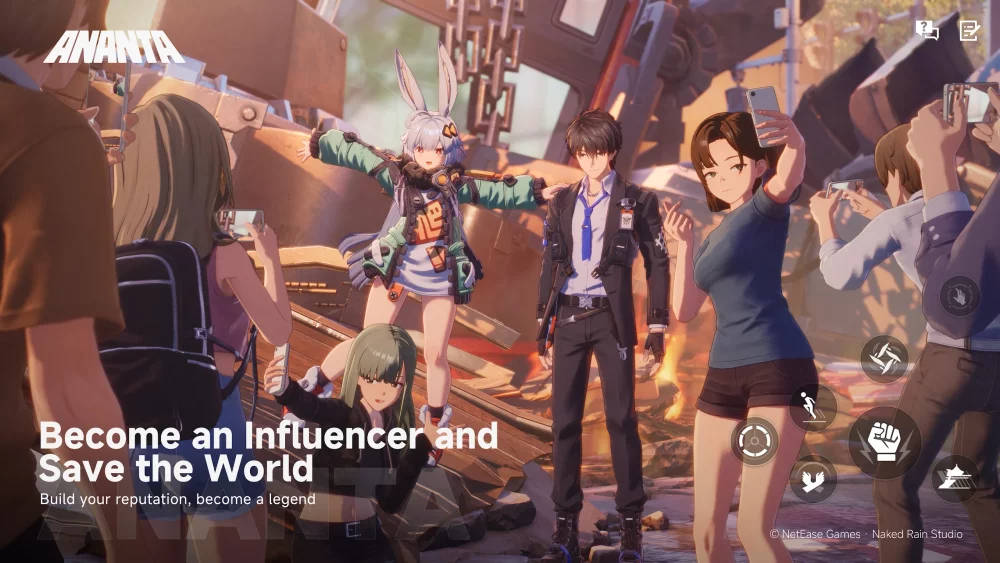
ANANTA is set to disrupt the current gaming landscape by abandoning the industry-standard "gacha" (randomized character acquisition) model. For players accustomed to hoarding currency for limited-time banners, this represents a fundamental shift in how to approach the game. In ANANTA, your success is not dictated by luck or the strength of your "pulls," but by your ability to manage long-term resources, optimize character development, and execute strategic project management.
The Death of the Gacha: What It Means for Your Roster
In most titles, the "gacha" system creates an artificial scarcity where your power level is tied to the probability of summoning high-tier units. ANANTA removes this friction entirely. By opting out of randomized draws, the developers are signaling that every character in the game is intended to be a deliberate, accessible tool within your strategic arsenal.
Why this matters for your gameplay:
- No "Power Creep" Anxiety: You won’t feel the pressure to replace your current team every few weeks to keep up with a new "meta" banner unit.
- Predictable Roster Growth: You can plan your squad composition months in advance, knowing exactly which characters you will unlock through story progression or project milestones.
- Emphasis on Synergy: Without the distraction of hunting for "S-tier" pulls, you can focus on how your current team's skills interact. The game will likely reward intelligent team building and tactical execution over raw, high-rarity power.
Shifting Your Resource Management Strategy
With no character banners to drain your savings, your financial and resource management strategy in ANANTA must change. In typical titles, currency management is a reactive cycle of saving and spending. In this game, your management becomes a proactive process of investment.
You should view your in-game currency and materials as capital for infrastructure rather than tokens for gambling. Focus your resources on:
- Skill Refinement: Invest in the growth of your core team’s abilities. Since you aren't replacing them, every upgrade has long-term value.
- Infrastructure Development: As a strategic simulation, ANANTA will likely require you to build and upgrade facilities. These will likely be the primary engines that fuel your progress.
- Equipment Optimization: Expect a robust gear or upgrade system. Prioritize maximizing the potential of existing characters before spreading resources too thin across a wide roster.
Monetization and the Player Experience
NetEase has indicated that while ANANTA avoids gacha mechanics, it will still utilize a specific Business Model (BM) to sustain the game. Players should expect a shift toward direct purchases, season passes, or cosmetic-focused monetization.
This is a "player-friendly" pivot that favors those who value their time. By removing the "pull" anxiety, the developer is aiming to build a community based on long-term retention. For you, this means the game’s "cost" is shifted from potential gambling losses to a more controlled, predictable investment in the content you actually want to see. When preparing for launch, evaluate the value of battle passes or character skins based on how much they enhance your specific playstyle, rather than how much they improve your combat odds.
Technical Polish and The Development Philosophy
Recent updates from industry showcases like TGS 2025 highlight that the development team is prioritizing high-fidelity production, from voice acting to world-building. Because they aren't relying on the "churn and burn" cycle of releasing new gacha characters to drive revenue, the developers can afford to spend more time refining the core experience.
What to look for in the technical build:
- Character Depth: Expect more involved backstories and unique mechanics for each unit, as the developers intend for these characters to remain relevant for the duration of your playthrough.
- Narrative Integrity: The world-building is likely to be deeper and more cohesive. Without the need to force-fit new characters into the story every month, the narrative can follow a more natural, satisfying arc.
Preparing for the Official Launch
Since the release date is being managed to ensure maximum technical stability, your best strategy is to avoid "hype-chasing" and instead focus on "system-readiness." When the game goes live, you will be in a race of efficiency rather than a race of luck.
Step-by-Step Launch Strategy:
- Master the Starting Roster: Upon launch, spend your first few hours strictly testing the utility of your starter characters. Identify their strengths and weaknesses early.
- Prioritize Core Systems: Identify which buildings or research trees provide the most significant passive benefits. In a simulation game, early investment in resource generation always pays dividends later.
- Engage with the Story: In a non-gacha game, the story is your primary engine for progression. Characters will likely be unlocked through milestones, making the main campaign your highest priority.
- Community Knowledge Sharing: Join forums or communities early. In a game without gacha, the "meta" is discovered through clever combinations of skills and base-building tactics—sharing these discoveries will be essential for staying competitive.
Avoiding Common Mistakes
Players entering a non-gacha simulation game for the first time often make the mistake of playing like they are in a gacha game.
- Mistake 1: Hoarding for no reason. In a gacha, saving is mandatory. In ANANTA, hoarding currency that could be spent on permanent upgrades is a waste of potential progress.
- Mistake 2: Ignoring base development. Many players focus too heavily on combat and neglect the simulation side. Remember that your combat power is likely supported by your base's production capacity.
- Mistake 3: Underestimating "Starter" units. In non-gacha games, early units are often balanced to remain relevant throughout the late game. Don't assume a character is "trash" just because you got them at the start.
Conclusion: Why ANANTA is a Game of Skill
The decision to remove gacha mechanics is a bold move that separates ANANTA from the rest of the market. It invites players to engage with the simulation deeply, rewarding those who plan ahead and optimize their resource distribution. By focusing on your project development and system mastery, you won't just be playing a game—you will be managing an evolving, long-term ecosystem. Keep your eyes on official release announcements and prepare to build your legacy through strategy rather than chance.

Free ANANTA Codes
Current active codes and how to redeem them.

Sarah Williams
Sarah specializes in RPG and collection games, explaining team building, character growth, and beginner-friendly ways to avoid expensive early mistakes.
COMMUNITY
Player Comments
109 players commented on this guide.
Can you add more details about resources in a future update?
The explanation is clear, especially for beginners.
This guide answered the exact question I had.
Good guide for ANANTA players. The resources part was useful.