
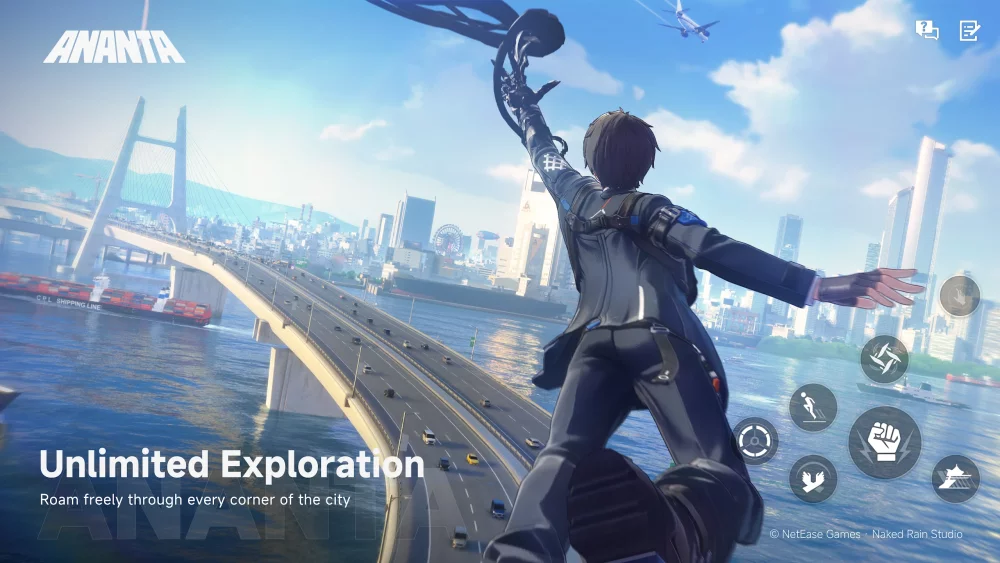
To succeed in the official launch of ANANTA on January 15, players must align their hardware with the game’s demanding simulation engine while mastering the complexities of its large-scale multiplayer environment. Because ANANTA emphasizes long-term resource management and high-density cooperative encounters, performance stability is your most valuable asset. Achieving a competitive edge requires more than just raw skill; it demands a technical foundation that prevents input lag and a strategic understanding of how character differentiation functions within the game’s unique, high-capacity social instances.
Optimizing PC Hardware for ANANTA
ANANTA is built on an engine designed to simulate complex interactions, making it significantly more demanding on your CPU and RAM than standard action titles. With the release date set for January 15, now is the time to audit your hardware.
The Processor and Memory Requirement
The game’s simulation architecture relies heavily on multi-core processing. To maintain a stable frame rate during high-intensity scenarios—such as large-scale resource extraction or team-based project development—a modern multi-core CPU is essential. If your processor is several generations old, prioritize closing background applications, browser tabs, and high-resource overlays. Additionally, the game’s world is dense with high-fidelity assets; ensure you have at least 16GB of RAM to prevent memory-related stuttering during extended sessions.
GPU and Cooling Strategy
While the game features a distinct visual style, the post-processing effects and lighting engine require a modern GPU to handle high-density multiplayer scenes. If you experience visual "hitching," lower your shadows and global illumination settings first, as these are the most common performance bottlenecks in the ANANTA engine. Because these intensive tasks generate significant heat, ensure your internal airflow is optimized. Thermal throttling is the silent killer of performance during the first week of a launch; clean your cooling fans and ensure your GPU drivers are updated specifically for the January 15 release.
Navigating Large-Scale Multiplayer Scalability
A defining feature of ANANTA is its departure from the traditional "small-squad" meta. Unlike many tactical simulations that cap groups at four players, ANANTA utilizes a scalable infrastructure that permits significantly larger cooperative encounters.
The Shift in Cooperative Dynamics
In most games, you are accustomed to hyper-specialized roles (tank, healer, DPS). In ANANTA, the large player count means the "meta" is less about individual hero perfection and more about cooperative synergy. When you are part of a larger, coordinated group, your performance is tied to the synchronization of the team.
- Latency Management: In high-density zones, network stability is as important as your framerate. Use a wired Ethernet connection if possible to prevent packet loss during critical project milestones.
- Communication Protocols: Because of the scale, voice coordination is non-negotiable. Establish clear communication channels early to avoid redundant resource usage within your squad.
Character Differentiation: Strategic Selection
The character roster in ANANTA is not merely a collection of avatars; each hero acts as a specialized tool for resource management and project advancement. Understanding these nuances is critical for day-one success.
Identifying Utility vs. Performance
When reviewing the character reveals, categorize them by their "Simulation Impact." Some characters are designed for rapid resource gathering, while others provide buffs that improve the efficiency of long-term projects.
- The Specialist Approach: Do not attempt to master every character at once. During the launch week, pick one character whose skill set aligns with your preferred gameplay loop. By specializing, you learn the "animation frames" and "resource costs" of your character’s abilities, allowing you to react faster than players who are still experimenting.
- Counter-Strategy: Because ANANTA allows for complex interaction between heroes, observe how top-tier players combine abilities. Differentiation is the key to balance; if your team lacks a specific utility, you will find certain environmental objectives significantly harder to clear.
The January 15 Launch Timeline: A Strategic Roadmap
The launch of ANANTA is not a sprint; it is an endurance race. The developers have emphasized that the game’s economy and project development systems are built for the long term.
Phase 1: The Initial 48 Hours
Do not rush the content. In ANANTA, your primary goal during the first two days should be system calibration. Test your graphical settings in different environments—open-world exploration versus high-density hub areas. If you find your hardware struggling, adjust your resolution scaling before you reach the most intense endgame content.
Phase 2: Building Your Network
Since the game thrives on large-scale cooperation, your progress is tied to the people you play with. Join active communities or squads early. In a simulation-heavy game, having a consistent group that understands their roles is the single greatest multiplier for your efficiency.
Phase 3: Monitoring Developer Feedback
ANANTA is an ambitious project. Expect the developers to push patches shortly after launch to stabilize server-side performance. Keep an eye on official social channels and the in-game news feed. If you notice a widespread issue with a specific graphic setting or character ability, be prepared to adapt your playstyle or settings quickly.
Common Mistakes to Avoid
- Ignoring Background Processes: ANANTA’s simulation engine is sensitive to CPU interrupts. Never run the game alongside heavy background software.
- Over-extending in Multiplayer: Don't assume your individual performance can compensate for a lack of team synergy. In large-scale mode, positioning and coordination always beat individual "hero plays."
- Neglecting the Long-Term Meta: Don't burn out by grinding the wrong resources. Focus on projects that provide permanent unlocks or account-wide upgrades.
By focusing on your hardware stability, mastering the synergy of your chosen character, and prioritizing a coordinated group strategy, you will be well-positioned to dominate the world of ANANTA from the moment the servers go live on January 15. Success in this game is defined by your ability to manage complexity; treat your hardware and your team with the same level of strategic care as you do your in-game objectives.

Free ANANTA Codes
Current active codes and how to redeem them.

Emily Johnson
Emily writes practical mobile strategy guides with a focus on resource planning, base progression, and the early decisions that shape a long-term account.
COMMUNITY
Player Comments
25 players commented on this guide.
Nice guide. I am checking the other ANANTA articles next.
This saved me time in the early game.
I wish I had read this before upgrading the wrong thing.
The explanation is clear, especially for beginners.