
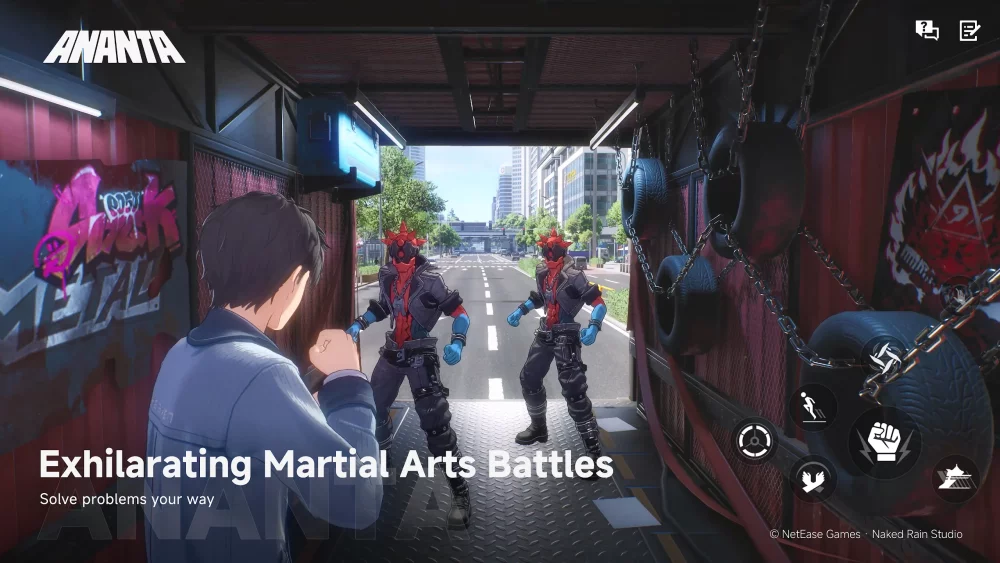
In ANANTA, your success is defined by your ability to manage long-term resources while executing high-stakes performances. The core of any successful event cycle lies in your setlist—the strategic sequence of tracks that dictates both crowd engagement and your own mechanical stamina. By mastering the transition between high-intensity "anchor" tracks and recovery segments, you can maintain a competitive edge and ensure your progression remains on track. This guide provides the expert framework needed to optimize your performance flow, minimize input fatigue, and dominate the stage.
The Mechanics of Setlist Sequencing
In ANANTA, a setlist is not merely a collection of songs; it is a tactical tool for energy management. Your goal is to create a "performance wave"—a rhythm that builds momentum, sustains engagement through the mid-game, and concludes with a high-impact finisher.
Establishing Rhythmic Consistency
To maintain peak performance, you must sequence tracks based on their intensity profiles. The most effective strategy involves "Front-loading" your most complex tracks to capitalize on early-event excitement.
- High-Intensity Openers: Use tracks like "Dilemma" early in your set to trigger rapid energy gains. These tracks require the highest level of input precision and mechanical focus.
- Anchor Tracks: Transition into established, high-utility anthems like "Naekkeohaja." These tracks stabilize crowd interest, preventing the engagement decay that occurs after intense spikes.
- The Transition Bridge: Avoid abrupt shifts in tempo. A smooth transition keeps the audience immersed, whereas erratic pacing can cause a penalty to your engagement multiplier.
Managing Performance Stamina and Input Precision
ANANTA is a game of endurance. When you perform back-to-back high-intensity tracks, the input window becomes increasingly demanding. Players who ignore their mechanical limits often suffer from "input drift," where precision drops as fatigue sets in.
Strategies for Sustained Focus
To keep your performance score high throughout a long-form event, you must treat your input sequence like a long-term resource.
- Input Pacing: Avoid "button mashing" during high-complexity sections. Prioritize rhythmic accuracy over raw speed; the game rewards consistent, well-timed inputs far more than rapid, inaccurate ones.
- Recovery Windows: Identify natural lulls in the audio-visual feedback of the game. Use these 2-3 second gaps to reset your posture and adjust your camera positioning, which is critical for maintaining spatial awareness in complex stage environments.
- Dynamic Reset: If a performance phase is particularly long, intersperse one "Low-Intensity" track. This allows your physical reactions to recover without letting the crowd engagement meter drop to critical levels.
Optimizing Crowd Engagement through Feedback Loops
Your performance in ANANTA is a two-way street. The crowd’s engagement level is a resource that fluctuates based on your track selection. A well-constructed setlist acts as a feedback loop that you can manipulate to reach specific milestones.
| Track Type | Primary Goal | Engagement Impact | Strategy |
|---|---|---|---|
| High-Complexity | Rapid Energy Gain | Very High | Use as a burst to clear objective thresholds. |
| Utility/Anthem | Momentum Maintenance | Medium-Stable | Use to bridge gaps between high-intensity spikes. |
| Low-Intensity | Resource Recovery | Low-Neutral | Use when your stamina or input precision is failing. |
Monitoring these reactions in real-time is the hallmark of an advanced player. If you notice a dip in interest, don't hesitate to swap your next track for a high-engagement anthem to "save" the event cycle.
Adapting to Multi-Phase Performance Events
Events in ANANTA rarely take place in a vacuum. Different stages, lighting conditions, and spatial constraints can drastically impact how your inputs are registered.
Spatial Awareness and Environment Buffs
Before finalizing your setlist, check for environment-specific modifiers. Some zones provide "Performance Buffs" for specific genres or track intensities.
- Stationary Stages: If your character is restricted to a small area, prioritize technical tracks that rely on rhythm and precision rather than large-scale movement inputs.
- Mobile Stages: When the event requires constant movement, choose tracks with consistent, predictable patterns. This allows you to focus on character placement without sacrificing your performance multiplier.
- Squad Coordination: If you are performing as part of a team, avoid overlapping high-intensity tracks. Synchronize your cooldowns to ensure that at least one member is maintaining a "High-Energy" output at all times.
Avoiding Common Pitfalls
Even experienced players fall into the trap of over-optimizing for short-term gain. To maintain a long-term competitive edge, avoid these common mistakes:
- The "All-Out" Error: Attempting to play only high-intensity tracks will lead to an inevitable crash in performance precision. Your score will plummet in the final act of the event if you run out of stamina.
- Ignoring Crowd Feedback: Failing to adjust your setlist based on audience engagement is the fastest way to lose a match. If the crowd is bored, your score will stagnate regardless of how technically perfect your inputs are.
- Neglecting Environmental Modifiers: Always scan the environment before beginning your set. Failing to leverage a location-based bonus is effectively leaving points on the table.
Conclusion: Achieving Masterclass Status
Optimizing your performance in ANANTA is about balancing the technical demand of your inputs with the psychological state of the crowd. By front-loading intensity, utilizing anchor tracks to maintain rhythm, and remaining flexible to environmental shifts, you transform your setlist from a simple sequence into a strategic engine for success. Remember: the game rewards the player who manages their stamina as effectively as they manage their buttons. Master the flow, and the leaderboard will follow.

Free ANANTA Codes
Current active codes and how to redeem them.

Sarah Williams
Sarah specializes in RPG and collection games, explaining team building, character growth, and beginner-friendly ways to avoid expensive early mistakes.
COMMUNITY
Player Comments
59 players commented on this guide.
This helped me understand updates much better.
I tried this today and it worked better than my old setup.
This guide answered the exact question I had.
This saved me time in the early game.