
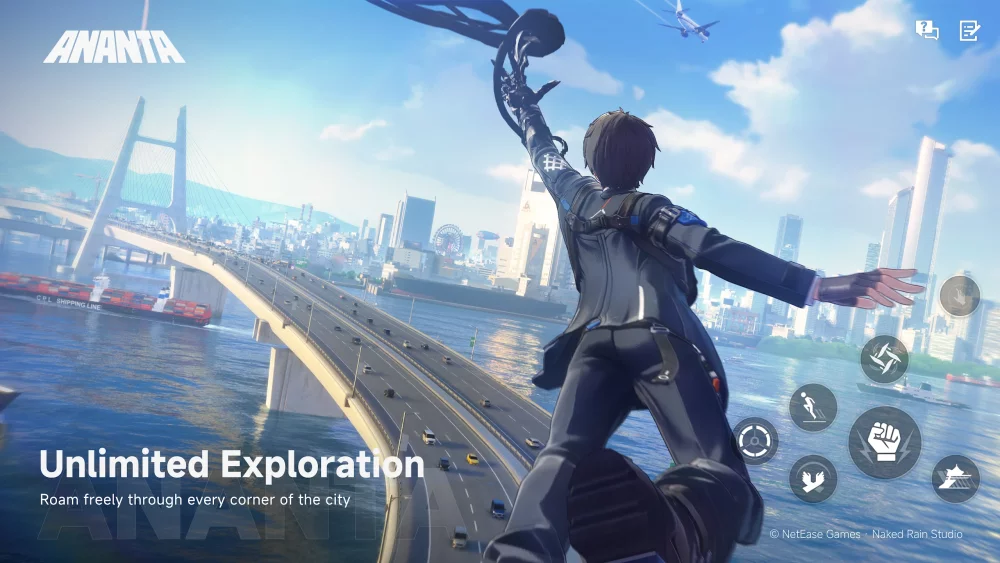
In the strategic simulation world of ANANTA, social navigation is not merely a flavor mechanic; it is a fundamental pillar of resource management and project development. Players who treat social interactions as a solvable system can bypass standard progression bottlenecks, secure rare resources, and influence narrative outcomes that are otherwise locked behind linear requirements. By mastering the interplay between character archetypes and rhythmic dialogue cues, you can turn the city’s complex social ecosystem into your greatest strategic asset.
Decoding Character Archetypes for Social Leverage
The backbone of social progression in ANANTA lies in your ability to categorize and interact with the game’s diverse cast of NPCs and squad members. Characters are built upon specific archetypes—such as the "Bold Expressive" or the "Rigid Bureaucrat"—each of which responds to distinct stimuli.
To maximize your influence, you must stop viewing dialogue as a static choice and start viewing it as a psychological puzzle.
- The Bold/Expressive Archetype: These characters respond best to high-energy, witty, or unconventional inputs. When engaging them, avoid standard, polite dialogue paths, as these often lead to stalled rapport. Instead, prioritize options that mirror their chaotic energy.
- The Stoic/Bureaucratic Archetype: These NPCs value consistency and logic. Attempts at humor with these entities will almost always result in a reputation penalty. Focus on structured, goal-oriented communication to earn their trust.
Identifying these archetypes early is critical. When you recognize a character’s temperament during the first interaction, you can tailor your future responses to prioritize the specific "flavor" of communication they respect, unlocking hidden dialogue branches that grant unique relationship rewards.
Mastering Narrative Timing and Comedy Cues
ANANTA utilizes a rhythmic feedback loop during high-stakes narrative encounters. The game’s engine tracks the pacing of animations and dialogue, rewarding players who synchronize their inputs with "comedic beats" or emotional shifts in the scene.
The Rhythm of Interaction
When a character’s movement becomes exaggerated or the dialogue tempo increases, the game is signaling a narrative window. Successfully inputting a response during these high-energy moments acts as a "Social Critical Hit," significantly boosting your influence score.
To master this timing, follow these professional strategies:
- Identify the Tone: If the NPC's animation set features broad, expressive movements, prioritize responses that match that energy.
- Watch the Pacing: If the dialogue slows, switch to deliberate, calculated responses. This "pace-matching" is essential for maintaining control over an NPC's emotional state.
- Exploit Vulnerabilities: Characters with visible "comedic" flaws are often susceptible to deflection. If you are stuck in a tense standoff, using a witty remark during a lull in the dialogue can force an NPC to drop their guard, providing a path to progress that avoids combat or resource loss.
Exploiting Social Synergies in High-Stakes Missions
Social synergy is a force multiplier in ANANTA. When you assemble a squad, the game calculates a "Team Chemistry" bonus based on the shared temperament of your members.
By grouping characters who share similar expressive or comedic traits, you unlock specialized team abilities that can be deployed during infiltration tasks or when navigating crowded, hostile urban environments. These synergies are often the difference between a mission that requires expensive, high-resource combat and one that can be solved through strategic distraction and social engineering.
Practical Tip: Always review your squad’s "Social Alignment" before embarking on a mission. If your current team is built entirely for chaotic, high-energy social disruption, they will struggle in missions that require quiet, bureaucratic, or formal infiltration. Balance your team composition based on the faction you expect to encounter in the target sector.
Managing Trade-offs and Reputation Risks
While prioritizing high-reward social paths is powerful, it is not without risk. Relying exclusively on charm or humor-based strategies can create a "Reputation Trap." In ANANTA, certain high-level factions are fundamentally opposed to erratic or overly expressive behavior. If you spend the early-game building a reputation solely through comedic or unpredictable social maneuvers, you may find that mid-to-late-game factions—who value stability and professional decorum—become impossible to negotiate with.
The Balancing Act:
- The Reputation Buffer: Maintain a mix of "Formal" and "Expressive" interactions. Even if you prefer the comedic route, perform occasional "Professional" tasks for bureaucratic factions to keep your reputation from bottoming out.
- Sector Review: Before entering a new zone, check the regional influence map. If the region is dominated by rigid, traditionalist entities, suppress your squad’s comedic traits. The cost of a bad reputation with a major faction far outweighs the short-term gains of a successful witty remark.
Strategic Conclusion: Integrating Socials into Your Workflow
Mastering the social layer of ANANTA is ultimately about consistency and planning. Treat your characters’ personalities as tools in your inventory. Just as you would swap weapons for a specific boss fight, swap your conversational approach to match the NPC or faction you are currently engaging.
By consistently applying the principles of archetype identification, rhythmic timing, and team synergy, you transform social interaction from a passive narrative element into a proactive strategic engine. This approach will not only accelerate your progression but will also ensure that you maintain a dominant, competitive edge throughout your entire ANANTA campaign. Focus on long-term reputation management, and you will find that the city’s most difficult obstacles often yield to the right words at the right time.

Free ANANTA Codes
Current active codes and how to redeem them.

Michael Smith
Michael covers live-service games, events, reward systems, and efficient daily routines, turning frequent updates into clear actions for players.
COMMUNITY
Player Comments
58 players commented on this guide.
I wish I had read this before upgrading the wrong thing.
This guide answered the exact question I had.
Can you add more details about heroes in a future update?
I tried this today and it worked better than my old setup.