
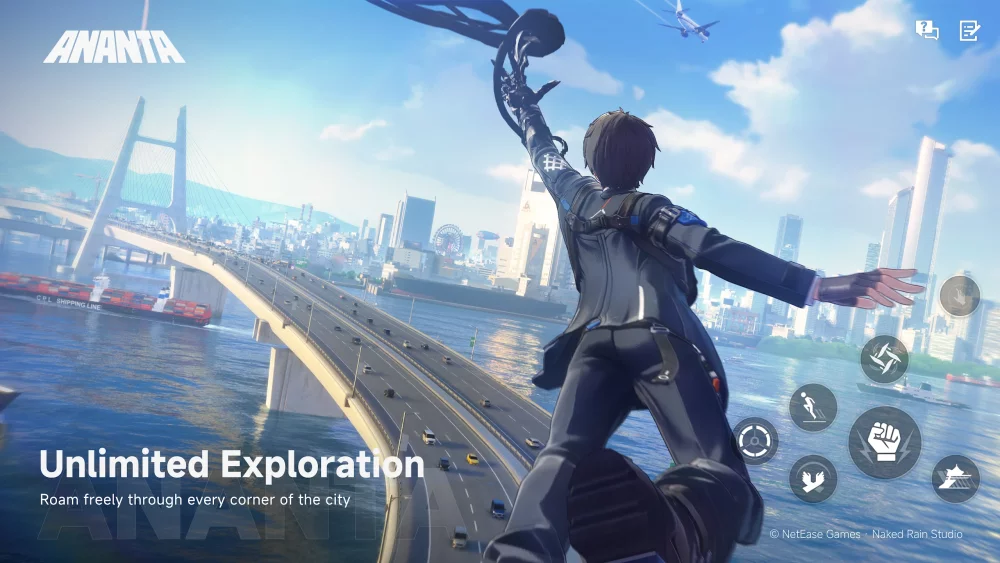
In the strategic simulation environment of ANANTA, your success is not solely dictated by your resource management or project development throughput; it is heavily reliant on the psychological state of your squad. Maintaining high morale requires more than just meeting financial milestones; it demands the active, expert management of interpersonal banter and team communication. When squad members engage in constant verbal exchanges, their psychological state directly impacts mission performance. This guide provides the tactical framework for identifying triggers for interpersonal friction and utilizing communication cycles to neutralize negative social interactions before they degrade your team’s synergy.
Identifying Friction Points in Squad Dynamics
The primary source of social instability in ANANTA stems from unrestricted, unmonitored verbal feedback loops. When characters engage in continuous banter, the system registers an increase in social friction, which leads to reduced coordination during critical combat or simulation events. By monitoring the frequency of these exchanges, you can identify which team members are prone to triggering "tension events" that degrade team performance and communication efficiency.
To mitigate this, watch for rapid-fire dialogue cues that occur during downtime or transit between objectives. These moments are where personality clashes manifest most clearly. If two characters possess conflicting personality traits—such as a "Disciplined" strategist paired with a "Chaos-Prone" technician—their banter will naturally spiral into cycles of mockery or disagreement. You must step in during these windows to redirect the focus back to primary mission parameters before the social friction meter hits a critical threshold.
Managing Verbal Exchange Cycles for Cohesion
Effective leadership in ANANTA requires you to treat verbal exchanges as a limited, finite resource. You should aim to cultivate an environment where communication is intentional rather than reactive. By setting strict boundaries on non-essential dialogue, you minimize the risk of team members antagonizing one another. When you notice a character initiating a negative feedback loop, use the command menu to trigger an "Objective Focus" alert, which effectively resets the social state of the squad.
Implementing these communication resets is vital for long-term mission success. While some banter can lead to minor morale boosts, excessive mockery between high-stat characters often leads to a "Distraction" debuff. This debuff reduces the accuracy of team-based abilities, making it significantly harder to execute synchronized strikes. By managing the flow of conversation, you ensure that your team stays focused on tactical execution rather than personal grievances.
Leveraging Personality Synergy to Neutralize Conflict
Not all squad interactions are detrimental. In ANANTA, certain character combinations provide a "Cohesion Bonus" that actively counters the negative effects of social friction. When building your roster, prioritize pairing characters who possess complementary personality traits. This doesn't just prevent arguments; it transforms potential conflict into a competitive edge that increases the squad’s recovery speed after intense combat or project-heavy engagements.
To maximize these synergies, observe the dialogue patterns of your recruits during the first few missions of a campaign. Characters who share similar professional philosophies are far less likely to engage in the chaotic, mock-heavy exchanges that define high-friction squads. By curating your lineup based on social compatibility, you create a self-regulating team that maintains high morale even under extreme stress, reducing the need for constant micromanagement of interpersonal relations.
Balancing Morale and Tactical Performance
There is a clear trade-off in ANANTA between allowing free-form character expression and maintaining a rigid, high-performance squad structure. Allowing your team to banter freely can increase their "Character Depth" rating, which unlocks unique lore interactions and minor narrative rewards. However, this comes at the cost of tactical stability. In high-difficulty modes, the risk of a "Social Breakdown" event—where characters refuse to coordinate—is significantly higher if you have prioritized flavor over function.
For players aiming for top-tier performance, the strategy is to toggle "Banter Suppression" in the squad settings during high-stakes missions. This forces the characters to prioritize mission-critical communication, effectively disabling the social friction system. Use this setting selectively; disable it when you are grinding for narrative completion or character bonding, and enable it when you are pushing for progression milestones or tackling boss encounters where every synchronization point is essential for victory.
Troubleshooting Squad-Level Social Breakdowns
If you find that your squad's morale is consistently dropping, it is highly likely that you have ignored the "Mockery Threshold." When characters reach this limit, they will frequently interrupt each other during active combat or project deadlines, creating significant delays in ability activation times. To resolve this, you must rotate out the primary instigator—the character contributing the most negative feedback—for at least one full mission cycle to allow the team's "Social Heat" to dissipate.
Follow these best practices to maintain a stable, high-efficiency squad:
- Monitor the Tension Meter: Always check the squad health UI for social icons that indicate rising irritation levels.
- Rotation Strategy: Swap out high-conflict personalities immediately if the "Distraction" debuff appears to reset their interaction status.
- Mission Pacing: If the team is agitated, avoid high-intensity combat or complex project launches until the social status returns to "Stable" or "Focused."
- Narrative vs. Performance: Explicitly decide if you are playing for character lore or maximum tactical efficiency, and adjust your squad management intensity accordingly.
By applying these strategies, you move beyond mere simulation management and into the realm of expert team leadership, ensuring that your ANANTA squad remains a cohesive, unstoppable force regardless of the challenges they face.

Free ANANTA Codes
Current active codes and how to redeem them.

Emily Johnson
Emily writes practical mobile strategy guides with a focus on resource planning, base progression, and the early decisions that shape a long-term account.
COMMUNITY
Player Comments
25 players commented on this guide.
This saved me time in the early game.
Good guide for ANANTA players. The strategy part was useful.
The explanation is clear, especially for beginners.
The tips are practical and easy to follow.