
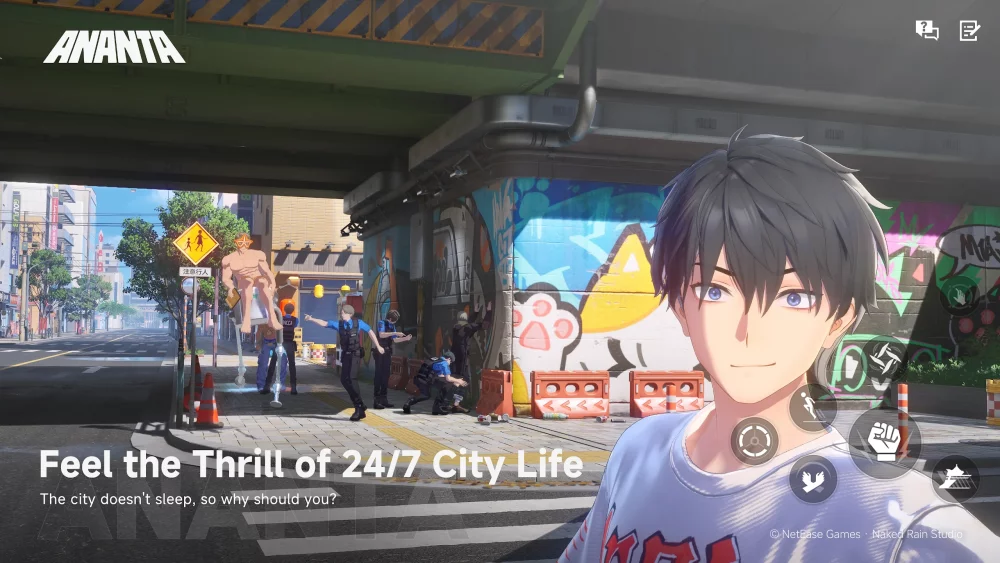
Understanding the structural differences between the Infinite mode and the New Technical Evaluation (NTE) version is the single most important factor for players preparing for the official launch of ANANTA on January 15. While both iterations share the same foundation, they operate on vastly different pacing, challenge thresholds, and technical requirements. By identifying these distinctions early, you can adjust your expectations for resource management, combat intensity, and character development, ensuring you maintain a competitive edge from day one.
Core Structural Differences: Testing vs. Final Tuning
The primary distinction between the Infinite mode and the NTE version lies in the tuning of the environmental and combat feedback loops. The NTE was designed specifically for baseline data collection, resulting in a forgiving, experimental environment where systems were intentionally loose to allow for broad testing.
In contrast, the Infinite mode features refined difficulty scaling and tighter system integration. Interactions you took for granted in the test build—such as frame-data forgiveness or enemy knockback thresholds—have been recalibrated. The game world is now significantly more reactive, meaning that brute-forcing encounters is no longer a viable strategy. You must now pivot toward understanding the specific mechanics of each enemy type, as the "room for error" has been intentionally tightened to reward skilled execution over raw stat-checking.
Combat Intensity and Evolving Enemy AI
In the NTE, enemy AI followed predictable, rhythmic cycles that were easily exploitable, allowing players to stand in place and maximize DPS. In the Infinite version of ANANTA, these cycles have been broken. Enemies demonstrate increased aggression, faster movement, and more complex attack patterns designed to punish static playstyles.
To adapt to these changes, focus on the following combat priorities:
- Dynamic Positioning: Prioritize mobility and repositioning skills over static damage buffs. Enemies will actively rotate to counter your stance, meaning your "safe spot" will shift every few seconds.
- Reduced Telegraph Windows: Elite units now feature significantly shorter wind-up animations for high-damage attacks. You must rely on visual cues rather than internal rhythm to successfully interrupt these strikes.
- Synergy Over Rotations: Shift your team compositions to favor rapid-fire synergy chains. Long, singular cooldown rotations are easily disrupted by the new enemy displacement tactics, making modular, fast-paced team setups much more reliable.
Resource Management and Progression Pacing
The transition from the NTE to the Infinite mode impacts your economy and item acquisition significantly. The NTE functioned as a high-velocity sandbox where resources were plentiful to facilitate rapid testing of late-game units. In the Infinite version, progression is deliberate and long-term.
Currency and materials are strictly balanced for a sustained journey. You cannot afford to spread your resources thin. Avoid the temptation to dump all your starter currency into a single character or weapon archetype. Instead, focus on building a core trio that covers elemental and physical diversity. This prevents you from hitting an "elemental wall" during story progression, where a specific boss encounter requires a damage type you neglected to develop.
Navigating Technical Refinements and World Geometry
The Infinite build includes critical quality-of-life adjustments that weren't present in the NTE. While the NTE felt like a series of disconnected sandboxes, the Infinite build integrates these zones into a cohesive, flowing geography.
Pay close attention to vertical traversal paths. The "feel" of character movement—specifically how your avatar interacts with urban geometry—has been optimized for fluidity. Mastering these traversal mechanics early will save you significant time during the mid-game, allowing you to bypass chokepoints and access hidden resource nodes that less experienced players will miss. Treat the traversal as a skill-based mechanic rather than a simple walking simulator.
Strategic Decision-Making for Launch Day
As you prepare for the January 15 launch, your immediate priority should be unlearning "NTE-only" habits. The Infinite mode is a mechanical evolution, not just a content patch. Treat your first few hours as a re-learning phase.
Key Launch Priorities:
- Test Before You Invest: Use the early story missions to gauge how your favorite characters from the NTE have been rebalanced for the final build.
- Monitor Performance Metrics: If you find yourself struggling in areas where you previously excelled, do not assume it is a lack of character level. It is likely a sign that the encounter requires a different tactical approach or a specific elemental counter you haven't prioritized.
- Adaptability Over Meta: The Infinite mode strongly favors players who can pivot their strategy based on the specific requirements of the current region. A rigid, singular "meta-strategy" will eventually fail against the specialized defensive patterns of late-game elites.
Conclusion: Why the Shift Matters
The distinction between the NTE and the final Infinite mode is ultimately about the shift from a controlled, theoretical environment to a living, reactive system. By shifting your focus from "how much damage can I do?" to "how can I adapt to the enemy’s changing behavior?", you will progress through the early stages of ANANTA with significantly more efficiency. Remember that in the Infinite version, success is determined by your ability to read the environment and manage your resources with foresight. Approach the launch not as a speed-run, but as a long-term strategic simulation where every choice carries permanent weight.

Free ANANTA Codes
Current active codes and how to redeem them.

James Brown
James focuses on Android gaming on PC, emulator setup, controls, performance tuning, and practical troubleshooting for longer play sessions.
COMMUNITY
Player Comments
51 players commented on this guide.
This helped me understand resources much better.
The tips are practical and easy to follow.
This saved me time in the early game.
The explanation is clear, especially for beginners.