
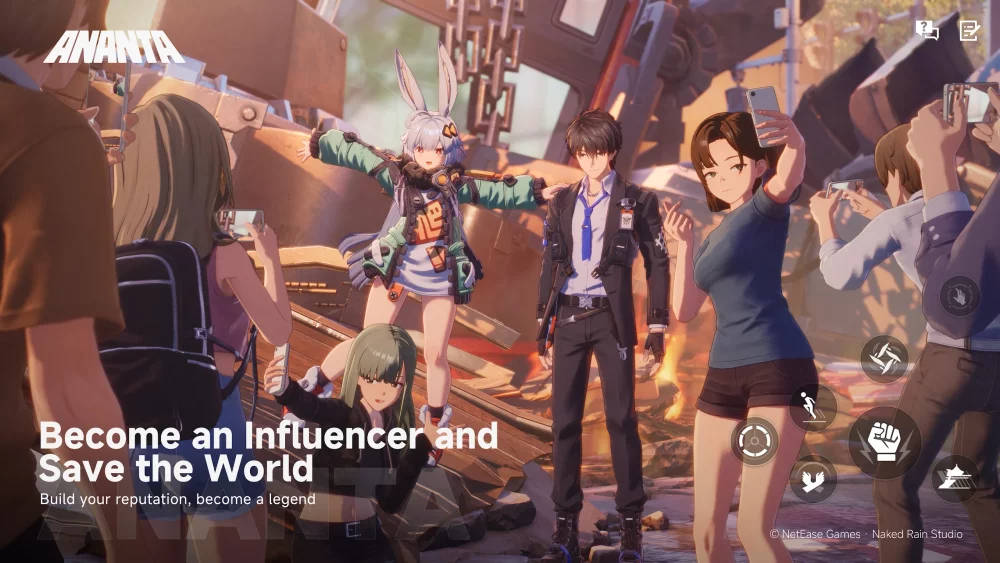
Players entering the world of ANANTA should prepare for a significant departure from standard subculture game tropes. Unlike traditional titles that utilize a "blank slate" avatar, ANANTA centers its experience on a protagonist with a defined personality, moral complexity, and a cynical, realistic outlook. This guide details how to leverage this unique narrative design, align your expectations for character growth, and optimize your strategic progression to maintain a competitive edge in this urban simulation.
The Shift: Moving Beyond the "Blank Slate"
The most significant barrier—and opportunity—for new players in ANANTA is the subversion of the self-insert protagonist. In many subculture games, the lead character is designed to be an agreeable vessel for the player’s own choices. ANANTA intentionally breaks this mold.
The protagonist acts as a distinct character with an established history. For the player, this means your role shifts from "being the character" to "guiding a character." Understanding this distinction is vital for long-term engagement. When you approach dialogue or moral dilemmas, you are not acting as a neutral party; you are navigating the internal conflicts of someone who is already deeply embedded in the game’s gritty urban landscape.
Why This Matters for Your Strategy
- Narrative Ownership: You are responsible for the choices of a character with a set temperament. Aligning your decisions with the protagonist’s established worldview often yields better long-term rewards in the game’s reputation systems.
- Emotional Investment: By moving away from a blank slate, the developers create stakes that feel personal. Your strategic management of the game’s resources is tethered to the protagonist's personal goals, making every milestone feel like a character achievement rather than just a mechanical one.
Mastering the Urban Setting and Environmental Cues
ANANTA’s world-building is deeply tied to its protagonist’s history. The urban environment is not just a backdrop; it is a manifestation of the game’s social dynamics and hidden conflicts. To master the game, you must learn to read the environment as an extension of the lead character’s journey.
Tips for Environmental Engagement:
- Monitor Environmental Reactions: Watch how the protagonist interacts with different districts. Their internal monologue often hints at hidden questlines or dangerous areas that standard players might overlook.
- Contextual Awareness: The protagonist’s cynicism is a tool. If the character expresses hesitation about a specific business or faction, treat that as a gameplay warning to proceed with caution in your resource investments.
- Social Dynamics: NPC interactions are framed through the protagonist's existing relationships. Paying attention to tone and history in dialogue will prevent you from making social blunders that could lock you out of specific narrative branches or economic partnerships.
Strategic Resource Management and Project Development
While the narrative provides the "why," the core of ANANTA is the "how": long-term resource management. Because the game is a strategic simulation, you must balance your character-driven narrative choices with the cold, hard requirements of project development.
Establishing Your Economic Foundation
Effective launch strategy hinges on the early-game period. Do not waste initial capital on short-term gains. Instead, focus on:
- Infrastructure Sustainability: Prioritize projects that generate passive income or reduce the cost of future developments.
- Talent Acquisition: Your team is your greatest asset. Use the protagonist’s narrative connections to recruit high-value NPCs who provide bonuses to specific project types.
- Content Cycle Synchronization: ANANTA operates on distinct cycles. Align your project launches with the game's peak demand windows to maximize your return on investment (ROI).
Avoiding Common Pitfalls
Many players fail in their first week of ANANTA by treating it like a standard combat-heavy RPG. Here is how to avoid those mistakes:
- The "Blank Slate" Trap: Do not ignore the protagonist's personality. Trying to force them into a "heroic" mold when the narrative calls for realism can cause the character to suffer stress or penalties, hindering your overall progress.
- Neglecting Long-Term Planning: The game rewards those who look three to six months ahead. If you focus only on the immediate project, you will lack the capital required for the late-game expansion phases.
- Ignoring Narrative Clues: The game hides mechanical hints within dialogue. If a character suggests a specific market is "unreliable," trust that advice—the game's underlying logic often mirrors the in-universe warnings.
Preparing for the Long-Term Competitive Edge
To maintain a competitive edge in ANANTA, you must treat the game as a professional simulation. The difference between a high-ranking player and a struggling one is the ability to synthesize narrative context with quantitative data.
The Professional Playbook for ANANTA:
- Map the Narrative Arcs: Create a personal log of the protagonist's key relationships. Understanding who trusts the protagonist and who holds a grudge will dictate your success in high-stakes negotiations.
- Optimize for the Cycle: Study the game’s content cycles. If there is a scheduled shift in the urban market, ensure your resources are liquidated or invested before the transition begins.
- Iterative Improvement: Treat each project failure as a data point. Unlike other games where failure is just a "Game Over," in ANANTA, a failed project often provides crucial information about the protagonist’s shortcomings or the limitations of your current strategy.
Conclusion: Embodying the Character
ANANTA is designed for players who appreciate depth. By embracing the protagonist’s established personality and using it as a lens through which to view your management decisions, you will find a far more rewarding experience than if you tried to play against the grain.
As you approach the release, focus on internalizing the protagonist’s worldview. The more you understand their fears, history, and motivations, the more intuitive your strategic decisions will become. Use the time leading up to the launch to study the promotional materials, as they offer a vital roadmap for the character-driven challenges that await you in the city. By aligning your strategic goals with the protagonist’s narrative trajectory, you will not only survive the urban landscape of ANANTA—you will thrive in it.

Free ANANTA Codes
Current active codes and how to redeem them.

Michael Smith
Michael covers live-service games, events, reward systems, and efficient daily routines, turning frequent updates into clear actions for players.
COMMUNITY
Player Comments
72 players commented on this guide.
The tips are practical and easy to follow.
This saved me time in the early game.
Can you add more details about strategy in a future update?
Good guide for ANANTA players. The strategy part was useful.