
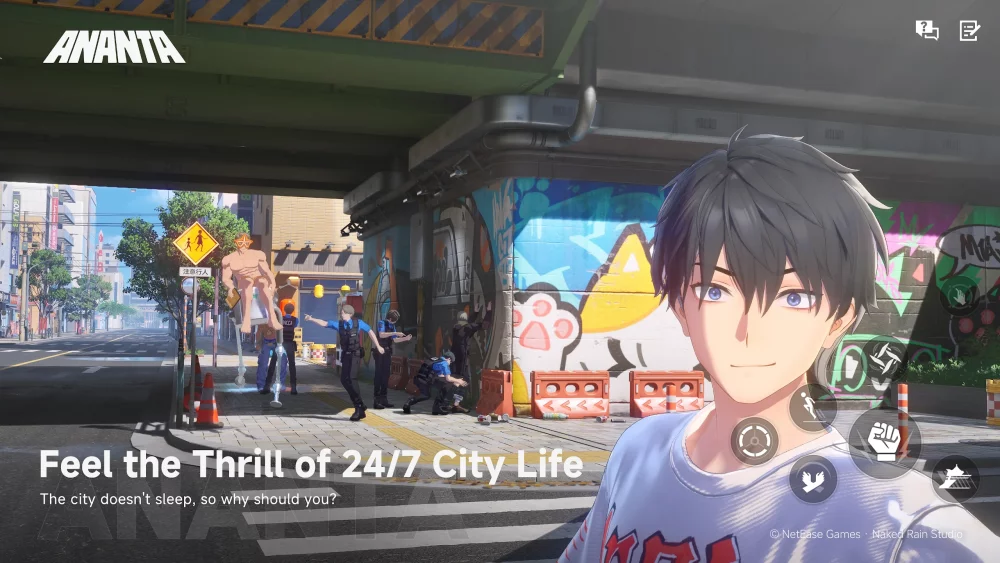
For players invested in the long-term potential of ANANTA, the pre-launch phase represents a critical period of evaluation. As the game re-enters the spotlight, it is easy to be swayed by high-fidelity cinematic trailers and grand promises. However, experienced strategic simulation players know that the true quality of a game lies in its mechanical depth, resource management loops, and sustainable progression—elements that are often obscured by marketing polish. This guide provides the tools necessary to cut through the hype and assess the "real" game behind the visuals.
Distinguishing Cinematic Hype from Functional Reality
The most common trap in modern game promotion is the "vertical slice." These are highly polished, scripted segments designed to showcase a game’s peak aesthetic potential, but they rarely represent the standard, moment-to-moment experience of the player. To evaluate ANANTA effectively, you must learn to look past the camera angles and cinematic cuts to identify the underlying mechanical reality.
Analyzing the User Interface (UI) and Fluidity
When watching a trailer, ignore the background spectacle and focus on the UI. Does the interface look responsive? Are the menus intuitive, or do they appear cluttered and cumbersome?
- Movement Speed: Observe how the character or camera moves. Is it snappy and precise, or does it feel "floaty" and disconnected from the input?
- Action Consistency: Look for repeating animations. If an action (like harvesting a resource or triggering a system) happens once in a cinematic way, check if it occurs again in a different context. If the action changes its nature every time, it is likely a scripted event rather than a repeatable mechanic.
Assessing the Core Gameplay Loop
ANANTA is, at its heart, a strategic simulation game. The core loop—the cycle of activities you will perform for dozens of hours—is the single most important factor in your long-term enjoyment. If the promotional material focuses exclusively on visual spectacle, it is a red flag that the developers may be masking a lack of substantive gameplay depth.
Identifying Long-Term Retention Mechanics
To determine if ANANTA will hold your interest for the long haul, look for evidence of these three pillars in developer updates:
- Resource Management: How do you acquire, store, and utilize resources? If the gameplay lacks a clear economic or material cost-benefit analysis, it may lean too far into "casual" territory.
- Progression Systems: Look for skill trees, technology upgrades, or base-building mechanics. These systems are the backbone of any simulation game; without them, the game will feel hollow after the initial wonder wears off.
- Meaningful Decisions: A good simulation game forces players to make trade-offs. Does the gameplay show the consequences of your choices? If a trailer shows only success without the risk of failure or resource depletion, it is not showing the "real" game.
Evaluating Development Transparency and Roadmap Reliability
A game’s development history is often the best predictor of its launch state. If ANANTA has experienced significant gaps in communication, you should be skeptical of sudden, high-intensity marketing campaigns. Developers who have been quiet for months and then emerge with a "polished" trailer may be trying to reset the narrative.
Criteria for Assessing Developer Credibility
- Feature Iteration: Compare current promotional materials with older footage. Have the mechanics been refined, or do they look identical? A lack of change can suggest that the game is stagnant or that the developers are not iterating on player/tester feedback.
- Specificity of Information: Does the developer talk about how systems work, or do they rely on vague adjectives like "immersive," "groundbreaking," or "dynamic"? Prioritize updates that detail mechanics over those that simply showcase a new character design.
- Feedback Integration: Observe how the studio handles community questions. A developer that engages with technical inquiries regarding UI, balance, or bugs is inherently more trustworthy than one that only responds to visual praise.
Strategic Checklist for Informed Engagement
Before committing time or money to ANANTA, utilize this checklist to ensure your expectations are aligned with the reality of the development cycle.
| Evaluation Point | Goal | Why It Matters |
|---|---|---|
| System Depth | Identify the core loop. | Prevents burnout after the initial novelty fades. |
| UI/UX Clarity | Determine input responsiveness. | Ensures the game is fun to play, not just watch. |
| Roadmap Clarity | Track feature promises. | Predicts whether launch day will be feature-complete. |
| Creator Impressions | Seek hands-on feedback. | Third-party verification removes marketing bias. |
The Value of Hands-On Impressions
As ANANTA approaches showcases like Gamescom, resist the urge to pre-order or buy into hype based solely on developer-provided footage. Wait for independent creators or journalists who have been given "hands-on" time. These individuals are often able to highlight friction points, menu sluggishness, or repetitive gameplay loops that the marketing team is incentivized to hide.
Avoiding the "Marketing Trap"
The most significant mistake a player can make is to mistake the promise of a game for the product. ANANTA may be a promising simulation, but until the core mechanics are stress-tested by a community, everything you see is a curated advertisement.
Practical Advice for the Skeptical Player
- Don't Pre-Order: There is no material benefit to pre-ordering that outweighs the risk of buying an unfinished product. Wait for the day-one consensus.
- Focus on Systems, Not Assets: A beautiful 4K environment matters very little if the underlying resource management loop is boring. Prioritize gameplay footage over "cinematic" trailers.
- Look for Fail States: If you never see the player losing, failing, or struggling in a simulation game, you aren't seeing the actual game loop. A true simulation requires the possibility of failure to provide the satisfaction of success.
By maintaining this objective, critical lens, you protect yourself from the disappointment of over-investing in a vision that may not materialize. ANANTA deserves your attention when it proves its worth through mechanical transparency, not just visual flair. Keep your expectations grounded, your analysis mechanical, and your engagement measured until the final, playable reality is confirmed.

Free ANANTA Codes
Current active codes and how to redeem them.

Sarah Williams
Sarah specializes in RPG and collection games, explaining team building, character growth, and beginner-friendly ways to avoid expensive early mistakes.
COMMUNITY
Player Comments
27 players commented on this guide.
Can you add more details about strategy in a future update?
The explanation is clear, especially for beginners.
This guide answered the exact question I had.
I wish I had read this before upgrading the wrong thing.