
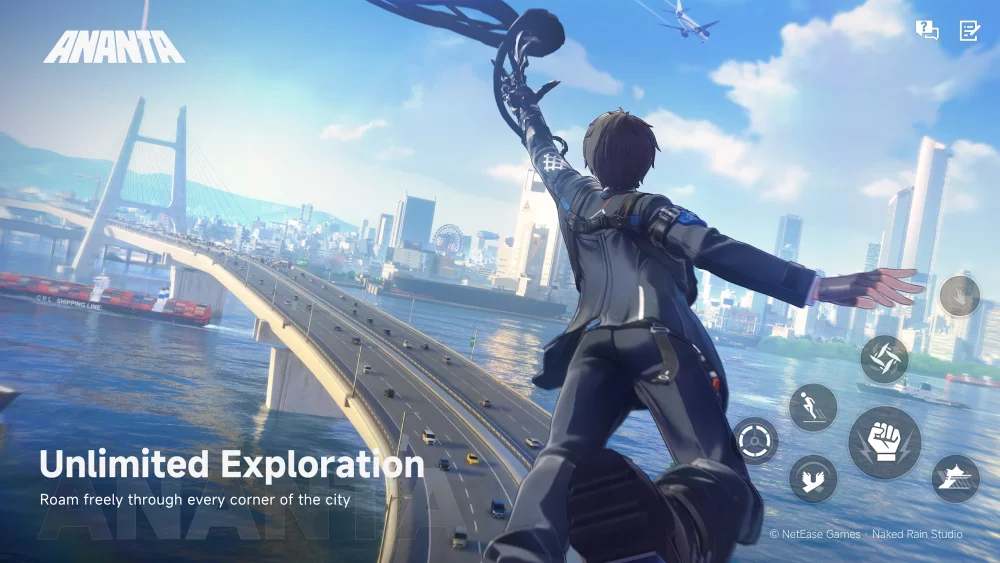
ANANTA is a strategic simulation game that demands more than just quick reflexes; it requires a deep understanding of resource management, kinetic combat flow, and environmental awareness. Based on early access impressions from the exclusive Gamescom B2B demo, this guide provides the foundational knowledge necessary to hit the ground running. Whether you are navigating the gritty urban landscapes or optimizing your character's combat tempo, the following strategies will help you maintain a competitive edge.
Understanding the Kinetic Combat Flow
The combat in ANANTA is defined by a "move-to-strike" philosophy. Unlike traditional simulation titles where you might stand your ground, ANANTA punishes static gameplay. The AI is designed to capitalize on stationary players, making constant repositioning your primary defensive tool.
The Tempo of Engagement
To excel in the early game, you must treat your movement as an extension of your offensive kit. Each character possesses a unique "attack tempo"—a cadence of strikes that must be synchronized with your movement inputs.
- The Dash-Strike Sync: Use your dash not just to avoid damage, but to cancel recovery animations between heavy attacks. This keeps your momentum high and your damage output consistent.
- Interrupt Windows: Pay close attention to enemy telegraphs. In ANANTA, most enemies have a brief "shimmer" or audio cue before a major strike. Learning to interrupt these animations with a well-timed dash-attack is the key to maintaining control of the battlefield.
Decoding the Visual and Narrative Language
ANANTA employs a distinct urban-fantasy aesthetic that serves as more than just eye candy. The game uses environmental storytelling and lighting to guide player progression and signal potential threats.
Navigating via Environmental Cues
The game world is dense, and it is easy to get lost in the technological saturation. However, the developers have implemented a sophisticated visual hierarchy:
- Light as a Compass: Areas of high importance or mission objectives are often illuminated with specific color palettes (typically cool blues or harsh neons). If you are uncertain of your next move, look for these focal points.
- Tactical Geometry: The urban decay depicted in the background often hints at pathing options. Look for structural breaks or "path-of-least-resistance" indicators, which often double as cover points during combat.
Strategic Resource Management and Progression
ANANTA is, at its heart, a simulation title. Your success in combat is heavily influenced by how you manage your character’s development and the resources gathered during exploration.
The Early-Game Loop
Early progress should focus on the "Discovery-Refinement" loop:
- Exploration: Scour the urban environments for hidden caches. The density of these environments rewards players who take the time to look behind industrial assets.
- Resource Allocation: Do not hoard your initial currency. In the early game, investing in movement-speed upgrades or dash-stamina efficiency provides a higher return on investment than raw damage stats.
- Ability Integration: Once you have a stable movement foundation, begin layering in active abilities. The best players integrate their abilities mid-combo, creating a seamless flow that leaves enemies unable to retaliate.
Hardware and Performance Optimization
Given the high density of assets and the fast-paced nature of ANANTA, performance consistency is paramount. A frame-rate drop during a high-speed encounter can lead to unnecessary deaths.
Optimizing Your Setup
For the best experience, ensure your system is prepared for the game’s rendering demands:
- SSD Requirement: The streaming of assets in ANANTA is intense. Installing the game on a high-speed NVMe SSD is essential to eliminate "hitching" or stuttering when transitioning between zones.
- Resolution Scaling: If you find your frame rates fluctuating, utilize resolution scaling rather than dropping individual graphical settings. This maintains the artistic integrity of the urban environments while keeping the input response times snappy.
- Particle Density: The game features heavy particle effects during combat. If your hardware struggles, prioritize lowering "Particle Quality" or "Bloom" settings, as these are the primary culprits for frame-rate dips during intense, multi-enemy engagements.
Common Mistakes to Avoid
As you begin your journey in ANANTA, avoid these common pitfalls that often trap new players:
- Ignoring the "Stagger" Mechanic: Many players attempt to tank damage while focusing on an attack. ANANTA does not favor this; if you are staggered, you lose your movement momentum, which is fatal in higher-difficulty encounters.
- Over-committing to Long Combos: While it is tempting to execute the longest attack string possible, doing so leaves you vulnerable. Learn to "poke and reposition." A three-hit combo followed by a dash is safer and more effective than a full five-hit string that leaves you locked in place.
- Skipping Tutorial Cues: The game’s visual language is subtle. Pay attention to the environmental tutorials during the first mission, as they teach you how to read the game's unique map markers and enemy archetypes.
Final Thoughts for Launch
Success in ANANTA is defined by your ability to synthesize movement, combat, and resource management into a single, fluid experience. The game does not hold your hand, but it provides all the tools you need through its visual design and mechanical depth. By focusing on your kinetic tempo early and ensuring your hardware is optimized for the game's high-fidelity requirements, you will find yourself well-prepared for the challenges ahead.
As the community begins to explore ANANTA at scale, remember that the most effective strategies are those that adapt to the game's aggressive AI and complex urban environment. Stay mobile, keep your resources balanced, and always be aware of your surroundings—the path to mastery in ANANTA is paved with adaptability.

Free ANANTA Codes
Current active codes and how to redeem them.

James Brown
James focuses on Android gaming on PC, emulator setup, controls, performance tuning, and practical troubleshooting for longer play sessions.
COMMUNITY
Player Comments
133 players commented on this guide.
This helped me understand strategy much better.
Good guide for ANANTA players. The strategy part was useful.
This saved me time in the early game.
This guide answered the exact question I had.