
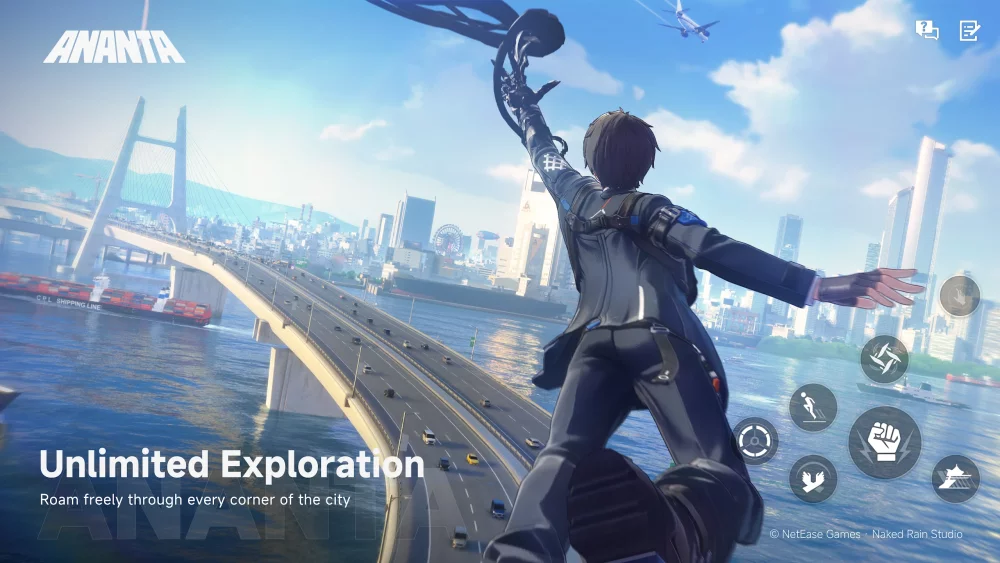
ANANTA represents a paradigm shift in the open-world simulation genre, blending high-stakes urban exploration with intimate, character-driven social mechanics. Unlike traditional sandbox games that prioritize constant combat or high-speed navigation, ANANTA rewards players for engaging with its environment at a deliberate pace. By mastering the game's unique social systems—ranging from atmospheric narrative scenes like hot springs to intense encounters involving restraint mechanics—players can unlock exclusive lore, deepen squad relationships, and gain significant advantages in the broader campaign. This guide breaks down the essential strategies required to navigate the world of ANANTA effectively.
Decoding the ANANTA Experience: A New Breed of Simulation
At its core, ANANTA is designed to offer a personalized, anime-inspired experience that focuses on the "lived-in" quality of its urban setting. The game’s identity is built on high-fidelity social sequences that act as narrative milestones.
For the modern player, the key to success in ANANTA is recognizing that these scripted moments are not mere window dressing. They are functional progression systems. When you encounter high-stakes narrative sequences, you are not just watching a cinematic; you are participating in a decision-making process that dictates the emotional trajectory of your squad. Understanding this requires a shift in focus: instead of looking for the next combat encounter, look for the social cues that signify a shift in character availability or relationship status.
Mastering Narrative-Driven Social Sequences
The social mechanics in ANANTA are the primary engine for character growth. These sequences are deliberate, cinematic, and often require specific prerequisites—such as reaching a certain level of "Social Trust" with a character—to trigger.
- Relationship Pacing: Do not rush through dialogue. The game utilizes subtle cues in animation and facial expression to indicate how a character is receiving your input.
- Environmental Triggers: Certain interactions, such as the widely discussed hot spring sequences, are tied to specific locations. Players should treat these locations as "High-Value Zones" that provide more than just environmental flavor.
- The Power of Restraint: Mechanics involving restraints are used to explore vulnerability and character power dynamics. In ANANTA, these are used to push the narrative into darker or more intense territory. Observing how characters react to these scenarios provides essential context for their motivations and future loyalty levels.
Urban Exploration: Moving Beyond the "GTA" Mindset
While ANANTA is often compared to urban sandbox games, the mechanics favor investigation over destruction. The map is designed with "social hubs"—micro-environments that house deep narrative content.
To maximize your efficiency:
- Prioritize Exploration Hubs: Identify areas with high NPC density early. These are usually the locations where "Social Energy" can be replenished or expended.
- Monitor Environmental Cues: The game uses lighting, audio shifts, and distinct architectural styles to signal that you are entering a space where a narrative event can be triggered.
- Manage Your Pacing: The game rewards players who take the time to scan the environment. Running through the city at high speeds will cause you to miss 70% of the incidental dialogue and environmental cues that unlock side missions.
Strategic Resource Management: The "Social Energy" System
In ANANTA, your most valuable resource is not just currency or gear; it is your character's "Social Energy." This invisible meter governs how often you can engage in deep-dive narrative sequences.
Why Social Energy Matters:
- Unlock Requirements: Many high-tier missions remain locked until you have invested enough energy into the relevant characters.
- Stat Bonuses: Successful completion of intimate narrative sequences can grant passive bonuses, such as increased stealth, better negotiation skills, or improved combat synchronization.
- Strategic Allocation: Do not dump all your energy into a single character. Diversifying your social interactions ensures that you have access to a broader range of specialists, which is vital for the late-game campaign challenges.
Common Pitfalls and How to Avoid Them
Many players entering ANANTA from standard open-world titles make the mistake of treating the world as a static playground. To maintain a competitive edge, avoid these common errors:
- Ignoring the "Low-Intensity" Zones: Many players skip the quiet, non-combat areas of the city. These are exactly where the most important character-building events take place.
- Treating Dialogue as Optional: Dialogue in ANANTA is a mechanic, not a formality. Your choices here can lock or unlock entire questlines. If you are aiming for a completionist run, treat every conversation with the same tactical focus as a boss fight.
- Failing to Track Character Arcs: Use the game’s internal log to track which characters have been neglected. An unbalanced squad will fail the more complex narrative requirements in the mid-to-late game.
Preparing for Future Content Cycles
ANANTA is built as a live-service simulation, meaning the world state evolves. Developers have indicated that future content updates will rely heavily on the existing social foundations. Players who spend time building their relationships and exploring the city’s hidden corners now will find themselves in a significantly stronger position when new content drops.
If you are a competitive player, the best strategy is to establish a "Social Baseline"—a level of interaction that ensures all major squad members are ready for incoming high-tier missions. Keep your eyes on character-specific assets, as these are often tied to the completion of the intimate, high-stakes scenarios the developers are prioritizing in their roadmap.
Final Thoughts: The ANANTA Advantage
Success in ANANTA is defined by your ability to bridge the gap between hard-hitting urban action and nuanced social simulation. By viewing the game as a complex system of relationships rather than a simple playground of destruction, you unlock the true depth of the experience. Remember: the city is a tool, the characters are your assets, and the narrative is your primary weapon. Master the social mechanics today to dominate the urban landscape of tomorrow.

Free ANANTA Codes
Current active codes and how to redeem them.

James Brown
James focuses on Android gaming on PC, emulator setup, controls, performance tuning, and practical troubleshooting for longer play sessions.
COMMUNITY
Player Comments
68 players commented on this guide.
I wish I had read this before upgrading the wrong thing.
The explanation is clear, especially for beginners.
This helped me understand heroes much better.
I tried this today and it worked better than my old setup.