
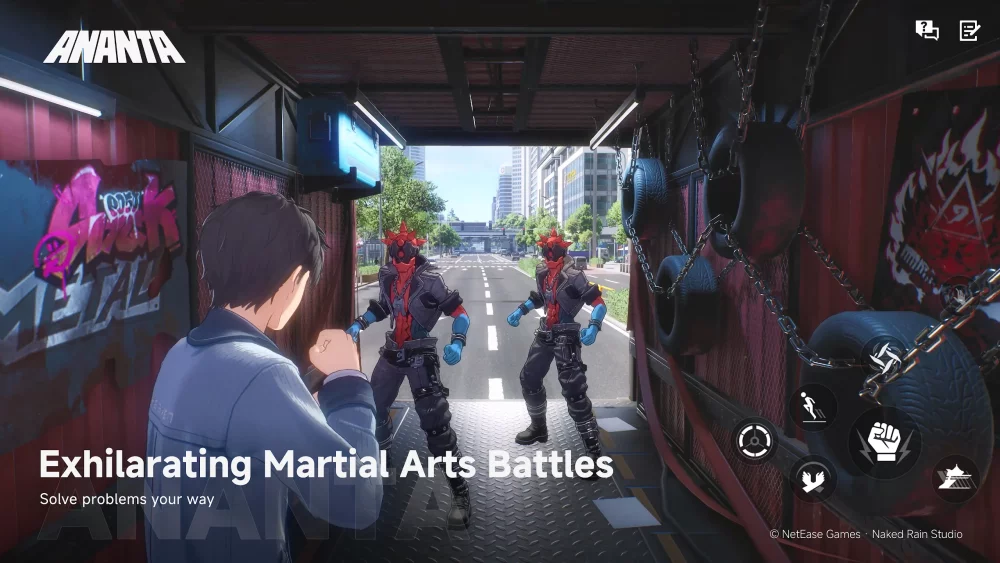
In the strategic simulation landscape of ANANTA, the protagonist stands out as a departure from the traditional "high-energy" hero tropes common in the genre. Instead of a proactive, overly optimistic leader, players are introduced to a "downer" archetype—a character defined by his lethargic demeanor, cynical outlook, and distinct sense of detachment.
For players diving into ANANTA, understanding this character is not just a narrative preference; it is a tactical necessity. His unique personality serves as a filter through which you experience the game’s complex world-building. This guide breaks down the mechanics of the protagonist’s design, how to leverage his personality for better quest outcomes, and why his aesthetic choices are integral to your long-term success.
Defining the "Downer" Archetype in ANANTA
The "downer" archetype in ANANTA is characterized by a deliberate lack of urgency. Where other games push a fast-paced, high-stakes narrative through an eager lead, ANANTA utilizes a protagonist who appears perpetually unbothered. This is not a lack of interest in the game's stakes, but rather a stylistic choice that emphasizes a cynical, world-weary perspective.
This personality type manifests in several key ways:
- Narrative Understatement: Dialogue is often dry, concise, and occasionally dismissive. This forces the player to read between the lines of what is being said to understand the true gravity of a situation.
- Detachment as a Shield: His lethargy acts as a psychological barrier. By not engaging in traditional heroic posturing, he often catches NPCs off guard, allowing the player to witness more authentic reactions from secondary characters.
- Internal Motivation: Because he lacks the typical drive for fame or glory, his actions feel more grounded. His progress is driven by a slow-burning internal purpose that rewards players who pay attention to environmental clues and lore.
Analyzing Visual and Stylistic Appeal
The protagonist's "sexy" or "sensual" visual design is inextricably linked to his personality. In ANANTA, character design is a narrative tool; his slouched posture and deliberate lack of urgency are visual cues that reinforce his "downer" status.
Players should pay attention to these design markers:
- Body Language: Observe his idle animations and movement speed. His slow, calculated movements suggest he is observing the world from a position of relative safety or boredom, which contrasts with the high-stakes resource management you are performing.
- Urban-Functional Attire: His clothing is designed to look practical yet stylish, emphasizing a "cool" factor that aligns with his cynical attitude. This aesthetic reinforces the idea that he is an outsider looking in, rather than a pawn of the factions he interacts with.
- Facial Expressions: Subtle changes in his micro-expressions during key cutscenes offer the most accurate read on his emotional state. When his sarcasm hits its peak, his expressions often reveal a deeper level of engagement than his words suggest.
Narrative Impact: Navigating the World Through Skepticism
The decision to feature a subdued protagonist impacts how ANANTA delivers its lore. Because the protagonist is naturally skeptical, the game encourages you to be the same. You aren't just a player pushing a hero toward a goal; you are a partner navigating a world that the protagonist is inherently wary of.
Why this matters for your progression:
- Earned Discovery: Because the protagonist isn't rushing into every conflict, the game rewards you for taking your time. Locations and plot developments feel earned because you must actively "coax" the protagonist into investigating them.
- NPC Interaction Dynamics: Secondary characters react to his apathy. Some will be annoyed, while others will be disarmed by his lack of pretense, opening up unique dialogue paths that would be locked to a more traditional, "heroic" character.
- Filtered Perspective: The narrative is filtered through a lens of world-weariness. This makes the eventual moments where the protagonist does show genuine passion or anger feel significantly more impactful.
Strategic Benefits: How to Use Apathy as a Tool
In ANANTA, the protagonist’s personality is a mechanical asset. Using his "downer" nature effectively can bypass social formalities and provide a competitive edge in long-term resource management.
- Bypassing Social Posturing: When dealing with rival factions, his cynical approach allows him to cut through political fluff. You can often identify the true motivations of NPCs by choosing dialogue options that lean into his detached, "nothing impresses me" attitude.
- Objective Decision Making: By maintaining an objective, low-energy stance, you are less likely to fall for the emotional traps set by NPCs. This is crucial during high-stakes project negotiations where maintaining a cool head is a requirement for maximizing resource output.
- Identifying Hidden Truths: His refusal to play the "hero" often makes him invisible to those who are only looking for a threat. This allows you to observe critical events without being the center of attention, providing you with information that can be leveraged later in the game.
Managing Expectations for Character Growth
It is vital to understand that the "downer" personality is a starting point. ANANTA is designed for long-term progression, and character growth is tied to the narrative arc, not just level-ups.
- Pacing is Key: Do not expect a sudden shift in his personality. His growth is incremental and tied to major milestones in the city’s development. Patience is a core requirement of the ANANTA experience.
- Dialogue Limitations: In the early game, you may find certain "heroic" or "passionate" dialogue options locked. This is by design. As you prove the value of your projects and gain the trust of key stakeholders, the protagonist’s willingness to express himself will expand.
- Embrace the Journey: The most successful players in ANANTA are those who lean into the protagonist’s skepticism early on. Instead of trying to force a change, play into his characterization. You will find that the narrative rewards you for being consistent with his established personality.
Final Thoughts: The Path to Mastery
The protagonist of ANANTA is a unique entry in the genre, offering a refreshing departure from the status quo. By understanding that his "downer" persona is not a flaw but a strategic framework, you can better navigate the game's complexities.
As you approach the January 15, 2027 launch, remember that your effectiveness in ANANTA depends on your ability to work with your character, not against him. His cynical, detached outlook is your greatest tool for unraveling the mysteries of the city and ensuring your projects reach their full potential. Master his temperament, respect his pace, and use his unique perspective to maintain your competitive edge in the complex world of ANANTA.

Free ANANTA Codes
Current active codes and how to redeem them.

James Brown
James focuses on Android gaming on PC, emulator setup, controls, performance tuning, and practical troubleshooting for longer play sessions.
COMMUNITY
Player Comments
50 players commented on this guide.
Good guide for ANANTA players. The strategy part was useful.
This guide answered the exact question I had.
I tried this today and it worked better than my old setup.
The explanation is clear, especially for beginners.