
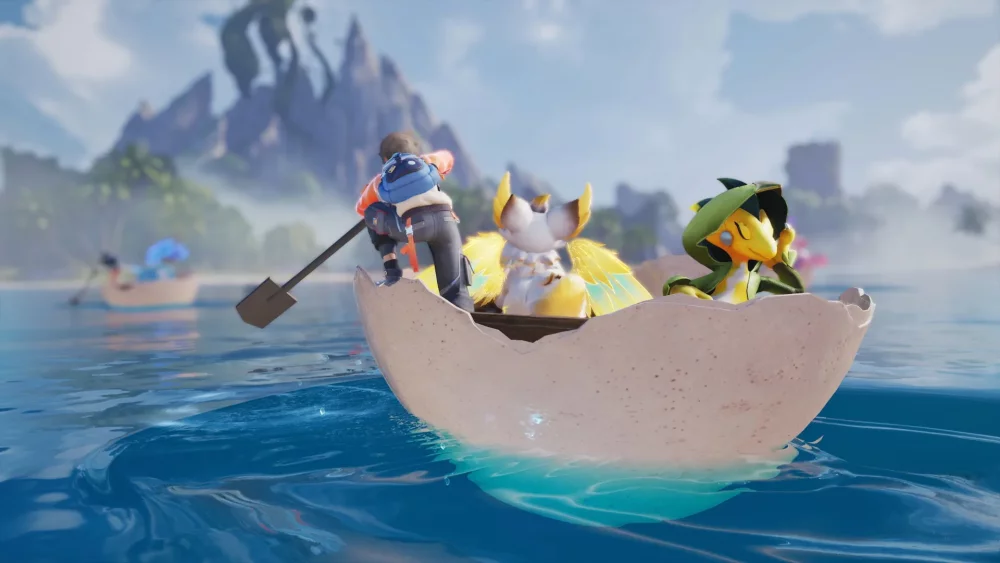
As Aniimo continues through its testing phases, players are shifting their focus from basic traversal to understanding the game's simulated ecosystem. Beyond simply catching and training creatures, the world of Aniimo features a complex web of interactions that influence how you explore and gather resources.
Understanding these systems is vital for players looking to optimize their time in the field. Below is a breakdown of how the ecosystem functions and how you can leverage these behaviors to your advantage.
Understanding Creature Ecosystem Loops
The world of Aniimo is designed with a reactive environment. Creatures do not exist in isolation; their behavior is often tied to environmental triggers and the presence of other species.
- Environmental Triggers: Certain creatures only emerge during specific times of day or weather conditions. If you are hunting for a specific variant, observe the environment for cues like shifting flora or distinct auditory alerts.
- Inter-species Interaction: You may notice creatures interacting with one another, such as gathering near water sources or engaging in territorial disputes. These moments are key opportunities to observe combat patterns and elemental weaknesses without initiating a forced encounter.
- Dynamic Resource Availability: The ecosystem dictates where certain materials spawn. If a region's dominant creature population is disrupted or forced to migrate due to player activity, resource nodes in that immediate area may fluctuate in availability.
Practical Tips for Ecosystem Engagement
If you want to master the open-world dynamics in Aniimo, keep these strategies in mind:
| Strategy | Goal | Benefit |
|---|---|---|
| Silent Observation | Passive tracking | Identify rare spawn behaviors before they flee. |
| Weather Mapping | Efficient exploration | Optimize routes based on weather-dependent spawns. |
| Population Management | Resource stability | Avoid over-farming areas to keep specific creature drops consistent. |
| Environmental Buffs | Combat advantage | Use surrounding flora to gain temporary elemental resistance. |
Identifying "True" Ecological Systems vs. Static Spawns
A common question among testers is whether the world feels truly alive or if it relies on static "painting" (pre-set spawns). While some areas rely on consistent spawn points for stability, the game rewards players who look for the "active" elements:
- Look for Movement Patterns: True ecosystem creatures often follow a pathing loop that reacts to player proximity, whereas static spawns are often stationary until triggered.
- Test Environmental Reactivity: Try using abilities near the environment. If the flora or nearby wildlife reacts—such as hiding, fleeing, or changing color—the area likely has deeper ecological depth than a standard combat arena.
- Prioritize Exploration over Grinding: Rather than staying in one spot to farm, traverse the map during different day/night cycles to see how the world "breathes." You will often find that resources and creatures shift based on these cycles.
Improving Exploration Efficiency
To make the most of the open-world map, focus on high-ground vantage points. Using your traversal tools to reach summits allows you to monitor the ecosystem below. From these positions, you can spot rare creature migrations or hidden resource clusters that are not visible from the ground level.
By prioritizing these ecological interactions, you move beyond simple combat mechanics and start playing the world of Aniimo as a living environment, which is the most reliable way to secure rare materials and high-tier creature encounters.

Free Aniimo Codes
Current active codes and how to redeem them.

Michael Smith
Michael covers live-service games, events, reward systems, and efficient daily routines, turning frequent updates into clear actions for players.
COMMUNITY
Player Comments
135 players commented on this guide.
I tried this today and it worked better than my old setup.
This helped me understand strategy much better.
The tips are practical and easy to follow.
This saved me time in the early game.