
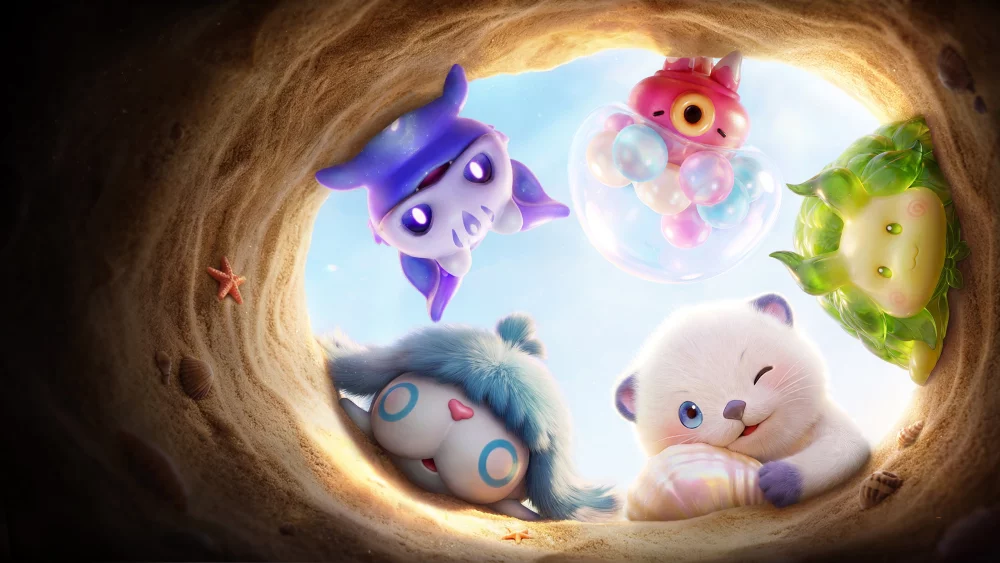
Aniimo is not a traditional Massively Multiplayer Online (MMO) game. It does not feature a single, persistent world where hundreds of players gather simultaneously in the open environment. Instead, your core exploration, resource collection, and creature development take place in private instances or small restricted groups, with online interaction limited to designated social hubs. To build an efficient routine, focus on your individual journey in private instances and treat social hubs as supplementary spaces for trading and temporary group activities.
Comparing Aniimo to Traditional MMO Structures
Understanding how Aniimo structures its world helps you set realistic expectations for exploration and resource management.
| Feature | Aniimo Structure | Traditional MMO Structure |
|---|---|---|
| World Infrastructure | Private instances and restricted group sessions | Persistent shared server with large player counts |
| Resource Gathering | Dedicated personal spawns without direct player competition | Open-world resource competition and contested spawn points |
| Progression Control | Self-paced creature development and personal milestones | Server-wide schedules, market saturation, and group meta pressure |
| Player Interaction | Hub-based trading, cosmetics, and targeted co-op | Continuous open-world interaction and large-scale server events |
Because Aniimo isolates core exploration from large-scale server populations, you do not need to compete with other players for creature catches or crafting materials. This environment allows for deeper creature training systems and custom evolution paths without the need to continuously balance an open-world player economy.
Using Social Hubs for Specific Tasks
While the main world relies on private instances, social hubs serve as the designated zones for player interaction. Leaving these hubs places you back into your personal instance or a smaller party session.
Social hubs support four main actions:
- Exchanging Creatures and Items: Trade resources or creatures with other players to fill gaps in your collection.
- Forming Temporary Parties: Group up with other players to take on specific challenges before returning to private play.
- Showcasing Progress: Display cosmetic items or rare creature variants to the community.
- Casual Interaction: Participate in lightweight, non-intrusive social activities without open-world clutter.
Recommended Progression Strategy
To optimize your play time in Aniimo, align your daily habits with its instance-based design:
- Prioritize Solo Exploration: Complete your main narrative milestones, creature catching, and material farming within your private instances where resources are reserved entirely for your game.
- Use Hubs as Functional Stops: Visit social hubs when you reach a specific bottleneck, such as needing a trading partner for a missing creature or assembling a group for co-op content.
- Advance at Your Own Pace: Avoid rushing your creature training to match external server metas, as the game's economy and progression mechanics respond to your individual progress rather than server-wide market values.

Free Aniimo Codes
Current active codes and how to redeem them.

James Brown
James focuses on Android gaming on PC, emulator setup, controls, performance tuning, and practical troubleshooting for longer play sessions.
COMMUNITY
Player Comments
119 players commented on this guide.
Nice guide. I am checking the other Aniimo articles next.
This guide answered the exact question I had.
This saved me time in the early game.
I wish I had read this before upgrading the wrong thing.