
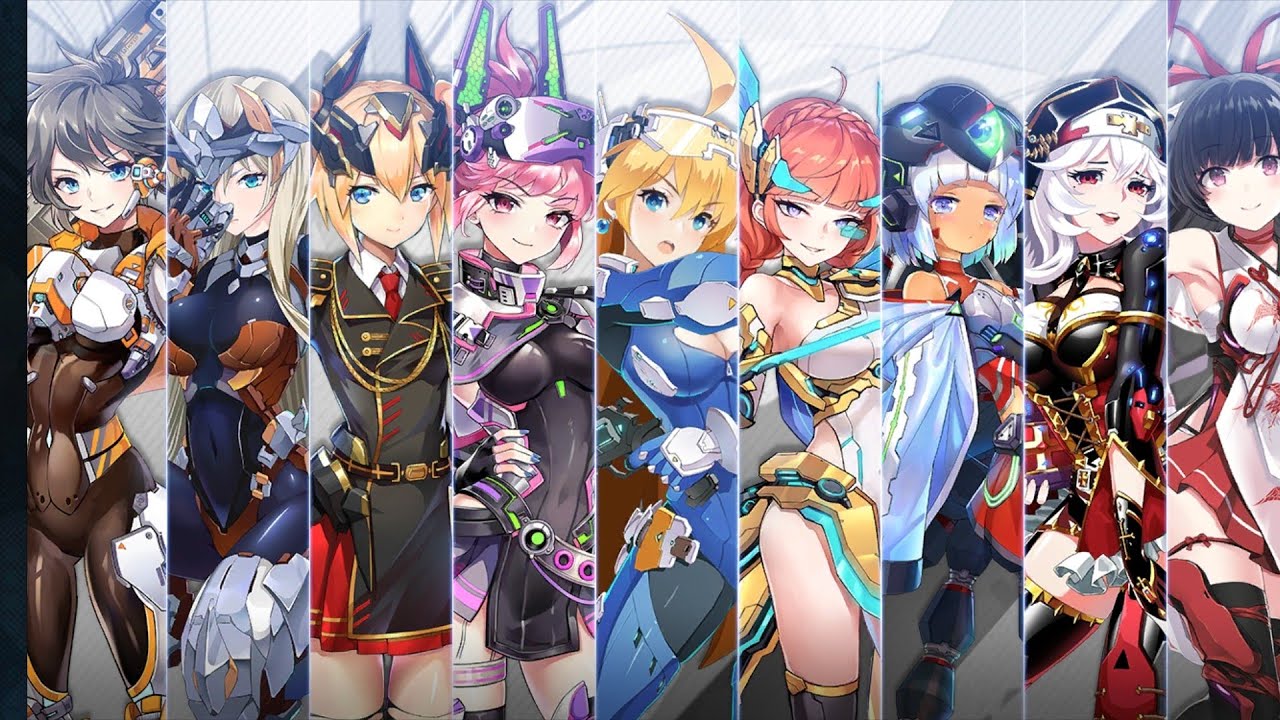
To build an elite roster in Battlezone Saga: Gacha Diva, you must stop viewing heroes as simple stat blocks and start treating them as components of a tactical engine. The core of success in this idle tactical RPG lies in the synergy between a hero’s weapon proficiency, their effective skill range, and the environmental constraints of the grid-based battlefield. Because Battlezone Saga: Gacha Diva emphasizes positioning over raw power, a team of high-rarity units will frequently fail if their attack patterns do not complement the map’s specific terrain or enemy composition.
Decoding Hero Roles and Tactical Positioning
Every hero in Battlezone Saga: Gacha Diva is defined by their "Combat Archetype," which dictates how they move and attack on the grid. Success begins by categorizing your units into three functional tiers:
- Vanguards (Melee/Tank): These units possess high defensive scaling and are designed to occupy "choke points." Their primary job is to create a physical barrier between the enemy and your fragile backline units.
- Artillery/Snipers (Ranged): These heroes operate at a distance. They are essential for bypassing enemy front-line tanks to strike at high-priority targets like enemy healers or summoners.
- Tacticians (Support/Utility): These units offer crowd control (CC), buffs, or board manipulation. They are often the difference between a "Perfect" clear and a failed mission, as they can reposition allies or silence enemy ultimate abilities.
When drafting your roster, always ensure you have a 2-1-2 ratio (2 Vanguards, 1 Tactician, 2 Ranged) for general-purpose content. This balance prevents you from being overwhelmed in melee clusters while ensuring you have enough output to handle distant threats.
Maximizing Tactical Synergies via Combat Chains
The combat system in Battlezone Saga: Gacha Diva rewards players who understand "Chain Potential." Many heroes possess skills that trigger secondary effects when an enemy is already afflicted by a status condition or a specific debuff.
For example, if your primary damage dealer has an ability that deals bonus damage to "Stunned" enemies, you must prioritize recruiting and leveling a Tactician who can reliably apply Stun effects. Do not blindly level up your highest-rarity hero if they do not fit into the chain rotation of your existing team. Instead, look at the "Skill Synergy" tab on the character profile to see which types of debuffs or movement effects your hero interacts with.
Weapon Proficiencies: The Key to Efficiency
Weapon proficiency is not merely a stat boost in Battlezone Saga: Gacha Diva; it is a fundamental rule of engagement. Each weapon type has a fixed attack range and a specific "hit pattern" (e.g., cross-shaped, linear, or radial).
- Linear Weapons: Best for hitting enemies in a row. These are highly effective on maps with narrow corridors.
- Radial/AoE Weapons: Essential for clearing "trash mobs" or groups of weak enemies early in a wave.
- Pierce/Long-Range Weapons: Necessary for boss fights where you cannot afford to have your hero within the boss's melee range.
Before entering a high-difficulty campaign stage, examine the enemy formation. If the enemies are spread out along the perimeter of the map, swap your AoE-focused heroes for those with long-range or high-mobility weapons to minimize the distance you need to travel to reach them.
Progression Priorities and Resource Allocation
One of the most common mistakes in Battlezone Saga: Gacha Diva is spreading your upgrade resources too thinly across the entire roster. To maintain competitive power levels, focus on these benchmarks:
- The "Core Five" Rule: Identify your five most versatile heroes and bring them to the level cap first. Do not diversify your roster until your main squad can consistently clear the current campaign chapter.
- Skill Leveling: Prioritize upgrading "Ultimate" skills before passive abilities. In Battlezone Saga: Gacha Diva, the tide of battle often turns on a single, well-timed Ultimate.
- Gear Synchronization: If you have a powerful hero, equip them with gear that enhances their weapon type's inherent strength. For example, if a hero has a high critical hit rate, ignore defensive gear and stack items that increase critical damage.
Mitigating Roster Limitations
Every hero in Battlezone Saga: Gacha Diva has a "mobility cost." High-damage units are often sluggish, moving only one or two tiles per turn. This creates a significant risk on maps with environmental traps or limited-turn objectives.
To mitigate this, always include at least one "Utility Speedster"—a hero whose skills allow them to jump over obstacles or move extra tiles per turn. These heroes are your "Objective Runners." While your heavy hitters are occupied with the main enemy force, your speedster can reach activation switches, loot crates, or extraction points, securing a 3-star victory even when your team is outmatched in raw power.
Avoiding Common Strategic Pitfalls
Players frequently struggle because they fail to account for the "Cooldown Phase." After using a powerful skill, many heroes enter a state where they are vulnerable to counter-attacks.
- Never leave your backline exposed: If your support unit has a long cooldown, ensure they are positioned behind a Vanguard.
- Don't over-commit: In grid combat, it is better to end your turn in a defensive stance if you cannot finish off a target than to push forward into the enemy’s effective range.
- Read the Stage Modifiers: Before starting a mission, check for environmental debuffs. If a stage applies a "Physical Damage Down" modifier, do not attempt to brute-force it with melee units; switch to your magical or ranged roster.
By focusing on role-based team composition, respecting weapon-specific ranges, and prioritizing your resource allocation toward a cohesive "Core Five," you will navigate the complexities of Battlezone Saga: Gacha Diva with tactical precision. Remember: in this game, the player who controls the grid controls the war.

Free Battlezone Saga: Gacha Diva Codes
Current active codes and how to redeem them.

Emily Johnson
Emily writes practical mobile strategy guides with a focus on resource planning, base progression, and the early decisions that shape a long-term account.
COMMUNITY
Player Comments
96 players commented on this guide.
I tried this today and it worked better than my old setup.
This helped me understand heroes much better.
Can you add more details about heroes in a future update?
This guide answered the exact question I had.