
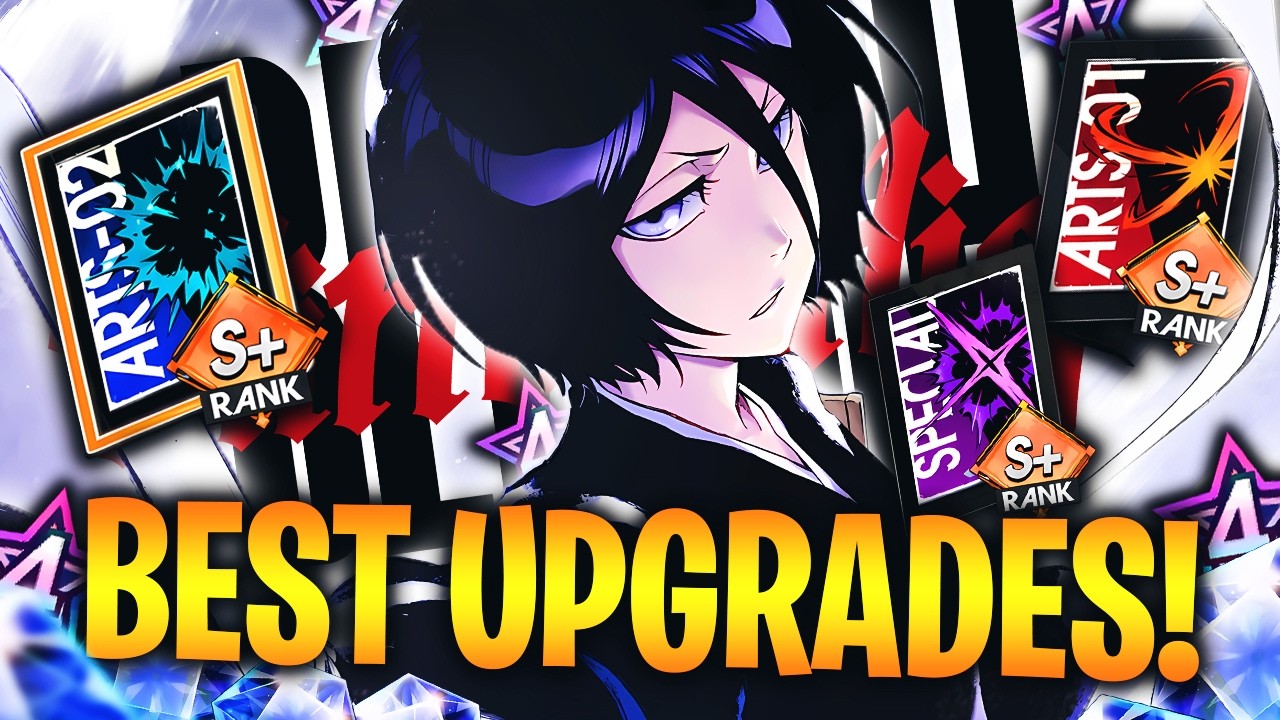
Invest your initial Art upgrade materials entirely into the signature offensive card of your primary damage dealer. Upgrade Strike Arts for physical attackers and Blast Arts for ranged Kido casters to their current cap before spending cores on defense, secondary fighters, or finisher cards. Because upgrade materials cannot be reset or refunded, spreading cores evenly across a character's entire hand or diluting them across placeholder roster units stalls account progression.
Card Archetype Upgrade Priorities
Every unit draws from a fixed deck of Strike Arts, Blast Arts, Special Move Arts, and defensive clash stats. Characters scale primarily with either Strike or Blast damage, making off-type offensive cards inefficient damage sources that exist primarily to extend combos or manage neutral spacing.
| Unit Archetype | Primary Focus | Secondary Focus | Investment Mistake to Avoid |
|---|---|---|---|
| Physical Striker | Strike Arts | Special Move Arts | Spending cores on Blast Arts |
| Ranged Kido Caster | Blast Arts | Special Move Arts | Spending cores on Strike Arts |
| Defensive Frontliner | Defense Arts | Strike or Blast Arts | Maxing offensive cards first |
| Hybrid Support | Utility / Defense | Signature attack type | Upgrading before main carry is maxed |
Before spending catalyst materials, inspect your character's stat sheet and passive abilities to verify their primary scaling. A physical brawler such as True Shikai Ichigo relies on chaining Strike Arts to guard break and burst down enemies. Upgrading Blast Arts on a physical carry yields negligible damage increases and consumes rare catalysts required for higher-tier Strike thresholds.
Step-by-Step Upgrade Order
Art upgrades require basic cores at low ranks, but higher tiers require scarce, non-farmable catalysts. Follow this sequence to maintain sufficient offensive power for stage time limits without exhausting your inventory:
- Cap your primary carry's signature offensive card. Maximize either their Strike or Blast Art up to your current progression limit. Leave their off-type offensive card at base level.
- Upgrade your secondary carry's main card. Once your lead attacker reaches their level cap, invest secondary reserves into the primary attack card of your backup fighter to maintain damage when swapping characters.
- Bolster your frontline tank's Defense Arts. Invest defensive cores into your frontline cover character to increase damage mitigation, reduce stagger duration, and improve clash survival during incoming enemy bursts.
- Enhance your primary carry's Special Move Art. Finishers provide decisive burst damage against elite shields and arena opponents, but they appear far less frequently in your hand than basic combat cards. Upgrade this card only after standard combo cards are secure.
Pitfalls to Avoid
- Splitting upgrades between Strike and Blast: Every fighter draws both cards, but leveling off-type cards divides your scaling in half without improving burst windows.
- Upgrading full decks on placeholder units: Art materials are permanently bound to the card and character upon use. Save high-tier catalysts for core carries rather than upgrading temporary characters used for early-game stage clears.
- Rushing Special Move upgrades early: Special Move cards deal high damage but are drawn infrequently during standard neutral play. Buffing them before bread-and-butter cards leaves regular combo strings underpowered.

Free BLEACH Mirrors High Codes
Current active codes and how to redeem them.

Sarah Williams
Sarah specializes in RPG and collection games, explaining team building, character growth, and beginner-friendly ways to avoid expensive early mistakes.
COMMUNITY
Player Comments
36 players commented on this guide.
Can you add more details about strategy in a future update?
The tips are practical and easy to follow.
I tried this today and it worked better than my old setup.
The explanation is clear, especially for beginners.