
⚠ API error (attempt 1): UNAVAILABLE (code 503): No capacity available for model gemini-3.8-flash-medium on the server
⚠ API error (attempt 2): UNAVAILABLE (code 503): No capacity available for model gemini-3.8-flash-medium on the server
Block Out Level 154 Guide: How to Clear the Board Without Deadlocking
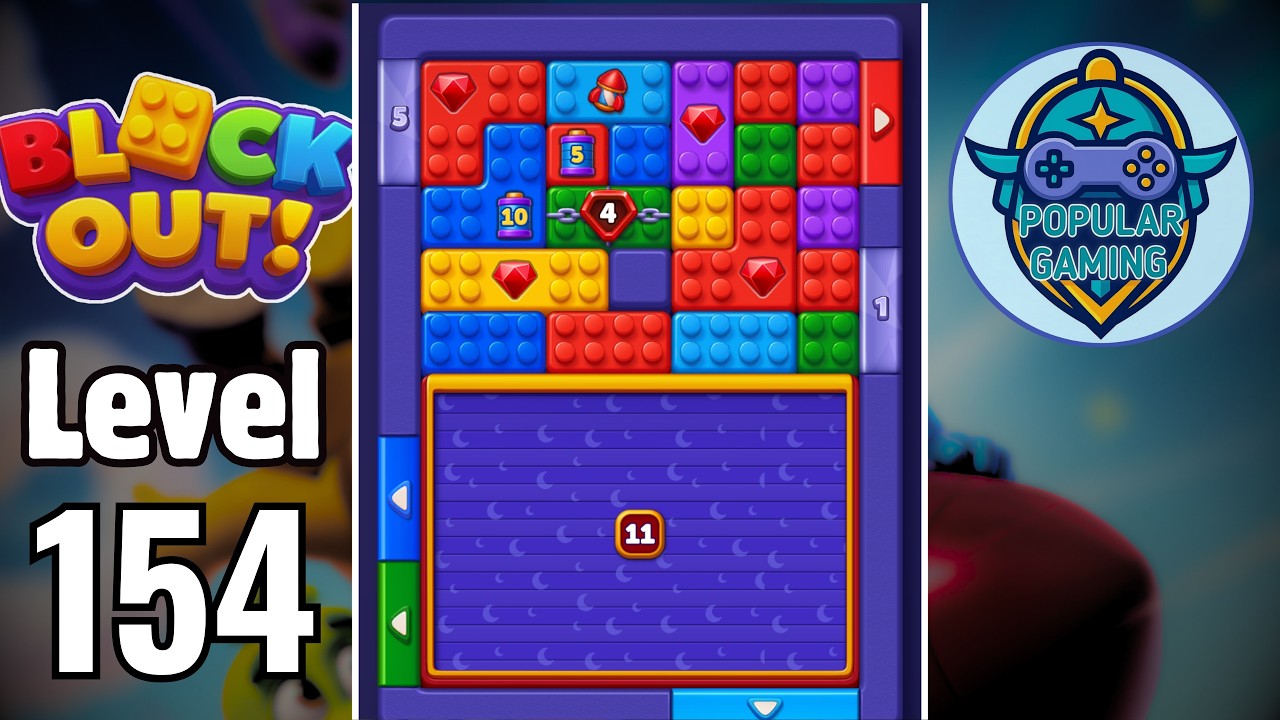
To beat Level 154 in Block Out without deadlocking, strip the unobstructed exterior blocks first to uncover buried central paths, and keep at least two dock slots empty at all times.
Level 154 traps players behind a dense multi-layered formation where outer blocks act as structural keystones. Tapping central pieces prematurely causes collisions with surrounding tiles and wastes moves. Clear the board methodically from the outside in while ensuring every block sent to the tray contributes to an immediate trio match.
Clearance Phases and Directional Priority
Level 154 features directional escape routes pointing outward. Only a few perimeter tiles have clear trajectories toward exit lanes at the start. Furthermore, horizontal blocks anchor cross-lanes; you must remove blocking horizontal tiles before vertical pieces can slide downward into matching bays.
Work through the board in three distinct phases:
| Clearance Phase | Target Blocks | Primary Objective | Risk Level |
|---|---|---|---|
| Phase 1: Outer Flanks | Free perimeter blocks with direct exit arrows | Clear external borders to widen exit angles | Low |
| Phase 2: Wing Columns | Side tiles blocking interior directional lanes | Expose matching color pairs under edges | Medium |
| Phase 3: Central Core | Interlocked interior blocks and gatekeepers | Clear high-density stacks and complete trios | High |
Focus on collapsing one flank first rather than clearing both sides symmetrically. Symmetrical clearing disperses matching colors across opposite sides of the board, stranding half-finished sets in your dock. Collapsing an entire single flank concentrates exposed colors and opens wide movement angles for interior blocks.
Buffer Tray Management Rules
Holding capacity in the bottom tray is strictly limited. Filling five or six slots with mismatched orphan tiles leaves no room to maneuver, causing an irreversible deadlock when all slots fill without completing a trio.
Follow these strict sorting rules to keep your tray clear:
- Always preserve two empty slots: Never drop below two open spaces unless the incoming block immediately completes a trio and frees dock capacity.
- Confirm the immediate followup: Only send an unmatched block to the tray if its removal instantly unblocks a match on your very next turn.
- Stop on orphan stacks: If your dock accumulates three unmatched colors with no matching partners accessible on the board, stop tapping that sector. Switch to an alternate flank to resolve an existing tray color before introducing new ones.
Sequencing Core Matches and Color Chains
Once you breach the outer shell, the center reveals a tightly interleaved mix of red, blue, green, and yellow blocks. Success in the core requires setting up chained clears, where completing one trio creates an open lane that directly exposes tiles of another color.
Prioritize colors from the least obstructed to the most obstructed:
- Identify two accessible matching blocks alongside a third matching tile blocked by a different color.
- Check if a secondary accessible set can be completed first to clear that blocking tile's lane.
- Complete the secondary trio to empty tray slots, slide the unblocked piece free, and immediately resolve the primary trio.
Deadlock Recovery
If you fill five tray slots without a trio match in sight, stop moving pieces into the tray. Scan the remaining exposed exits specifically for tiles that share a color with an item already resting in your dock.
If no shared color can exit without exceeding the tray limit, use an in-game booster—such as a shuffle or a slot expander—before the final slot fills. Triggering the booster before the final slot locks prevents a total run failure.
Free Block Out Codes
Current active codes and how to redeem them.

Michael Smith
Michael covers live-service games, events, reward systems, and efficient daily routines, turning frequent updates into clear actions for players.
COMMUNITY
Player Comments
104 players commented on this guide.
Can you add more details about strategy in a future update?
This guide answered the exact question I had.
The explanation is clear, especially for beginners.
This helped me understand strategy much better.