
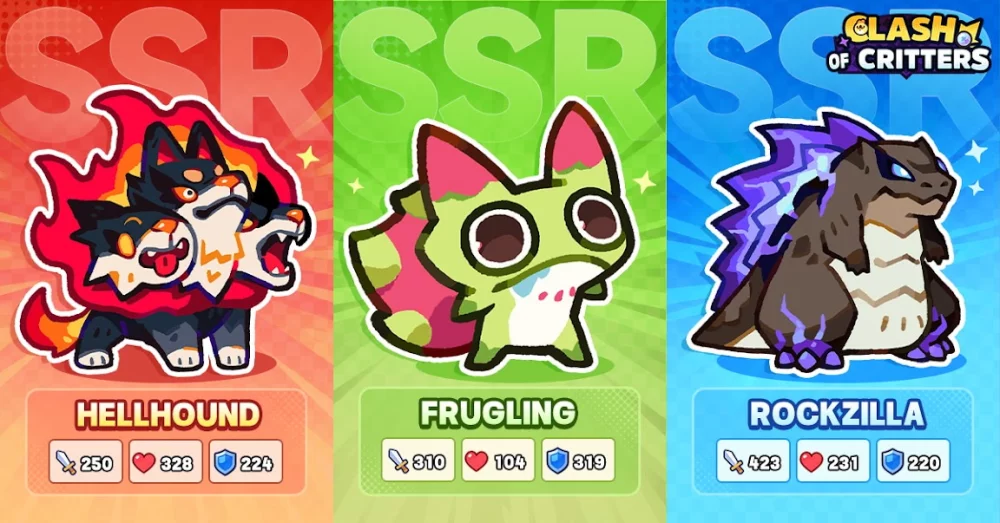
In Clash of Critters, obtaining a Rank A Tatari unit is a significant milestone that often forces players to re-evaluate their current team composition. While lower-tier units can carry you through the early stages, Rank A units bring specialized abilities that can pivot your strategy from basic damage output to complex synergy-based tactics.
This guide focuses on how to assess your new Rank A acquisitions and effectively integrate them into your existing roster.
Assessing Your Rank A Tatari
When you first summon or evolve a unit to Rank A, it is easy to focus solely on the increase in base stats. However, the true value of these units lies in their unique skill sets and their potential to act as "force multipliers" for your team.
Evaluation Checklist
Before resetting your current team, evaluate your new Rank A unit against these criteria:
- Role Identification: Does the unit fill a gap in your current formation (e.g., lack of front-line mitigation, insufficient crowd control, or poor single-target DPS)?
- Synergy Potential: Does the unit’s passive ability trigger off or enhance the skills of your existing core units?
- Resource Cost: Consider the investment required for leveling and upgrading skills. Ensure that pouring resources into this new unit does not starve your primary damage dealer of essential materials.
Strategies for Integration
Integrating a high-tier unit requires more than just swapping them into an empty slot. To maximize the impact of your Rank A Tatari, consider the following tactical adjustments:
1. The "Support-Core" Balance
Avoid building a team that is entirely reliant on one Rank A unit. If your new unit is a powerful damage dealer, ensure your team still includes enough support or defensive units to keep them on the field long enough to unleash their full potential.
2. Skill Rotation Adjustments
Rank A units often feature longer cooldowns or more complex ability triggers. You may need to manually adjust your timing in battle to ensure their abilities land during the opponent’s vulnerable windows, rather than firing them off on auto-pilot.
3. Positional Optimization
Rank A units usually have specific positioning requirements to function optimally.
- Front-line: Use these positions for Rank A units with high HP pools or self-healing abilities.
- Back-line: Reserve this for fragile, high-damage units that rely on consistent ability uptime.
Comparison Table: Rank A vs. Lower Tier Units
| Feature | Lower Tier Units | Rank A Units |
|---|---|---|
| Skill Complexity | Basic/Linear | Multi-stage/Synergetic |
| Stat Scaling | Moderate | High/Late-game focused |
| Formation Impact | Filler/Support | Core/Build-defining |
| Upgrade Priority | Secondary | Primary |
When to Hold Off on Upgrading
Not every Rank A unit is an immediate upgrade for your specific team. If you are currently pushing through a difficult stage and your current team is already highly leveled with maxed-out gear, a low-level Rank A unit may actually reduce your overall team effectiveness.
Prioritize leveling your Rank A units in "B-teams" or during events that provide bonus experience before forcing them into your main progression formation. This ensures your primary team remains competitive while your new acquisitions reach their full potential.

Free Clash of Critters Codes
Current active codes and how to redeem them.

Sarah Williams
Sarah specializes in RPG and collection games, explaining team building, character growth, and beginner-friendly ways to avoid expensive early mistakes.
COMMUNITY
Player Comments
66 players commented on this guide.
This helped me understand strategy much better.
I wish I had read this before upgrading the wrong thing.
I tried this today and it worked better than my old setup.
The explanation is clear, especially for beginners.