
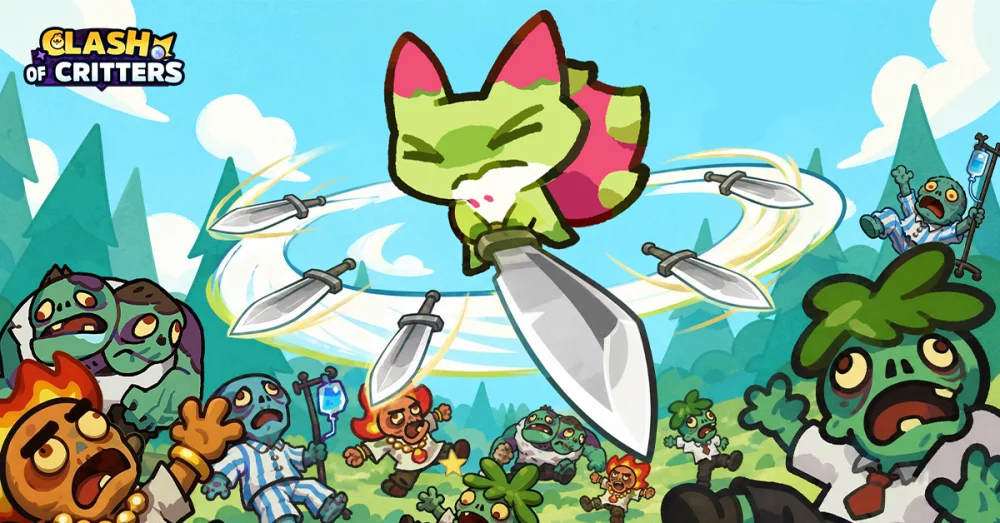
To achieve peak performance in Clash of Critters, players must move beyond standard unit builds and experiment with custom monster anatomy. By adjusting the physical traits and structural composition of your critters, you can create specialized units capable of countering specific boss mechanics and environmental hazards. This guide focuses on how to leverage anatomy customization to gain a tactical edge during high-intensity combat encounters, ensuring your roster remains adaptable as you push through increasingly difficult stages.
Understanding Anatomy Customization Mechanics
Anatomy customization is a core system in Clash of Critters that allows you to alter a critter's physical profile. Unlike standard evolution, which increases base stats, anatomy customization focuses on modifying hitboxes, attack reach, and mobility. These adjustments are vital for positioning units effectively during complex stage layouts where standard movement patterns might leave your frontline vulnerable to area-of-effect attacks or boss-specific abilities.
Tactical Advantages of Anatomical Adjustments
Customizing your monsters provides three primary benefits that can shift the outcome of a battle:
- Hitbox Manipulation: By refining the physical size of your units, you can create "tanky" builds that effectively block paths for enemy mobs or slimmer builds that weave through hazards.
- Attack Range Optimization: Adjusting limb length or weapon reach allows for more precise strikes, enabling your units to attack from safer distances or hit multiple targets simultaneously.
- Environmental Synergy: Certain physical traits offer bonuses when fighting in specific biomes. For instance, modifying anatomy to include aquatic-friendly features can significantly boost performance in Water Dojo stages.
Best Practices for Combat-Focused Design
When experimenting with new anatomy designs, prioritize the following strategies to ensure your critters remain viable in competitive combat:
| Feature | Tactical Focus | Best Use Case |
|---|---|---|
| Limb Length | Increased Reach | Avoiding close-range boss retaliation |
| Body Density | Damage Mitigation | Frontline tanking in Horde Invasion |
| Size Scaling | Path Blocking | Crowd control in narrow corridor stages |
| Joint Flexibility | Attack Speed | Maximizing DPS during short combat windows |
Balancing Form and Function
It is easy to focus purely on aesthetic designs, but combat viability requires a balance. Always test new anatomy configurations in lower-level stages before committing resources to advanced modifications. Focus on one primary attribute per unit to avoid diluting their effectiveness in combat. If you are building a unit for crowd control, prioritize body density and size; if you are building a glass cannon, focus entirely on limb length and attack speed.
Integrating Anatomy with Formation Tactics
Your custom units must work in tandem with your overall team formation to be effective. A large, tanky critter with optimized anatomy serves little purpose if it is positioned behind your support units. Use your customized frontliners to create a protective wall, allowing your range-focused units to deal damage undisturbed. Always adjust your formation deployment to capitalize on the unique physical traits you have engineered into your monster roster.

Free Clash of Critters Codes
Current active codes and how to redeem them.

Emily Johnson
Emily writes practical mobile strategy guides with a focus on resource planning, base progression, and the early decisions that shape a long-term account.
COMMUNITY
Player Comments
38 players commented on this guide.
This helped me understand strategy much better.
This saved me time in the early game.
Nice guide. I am checking the other Clash of Critters articles next.
The tips are practical and easy to follow.