
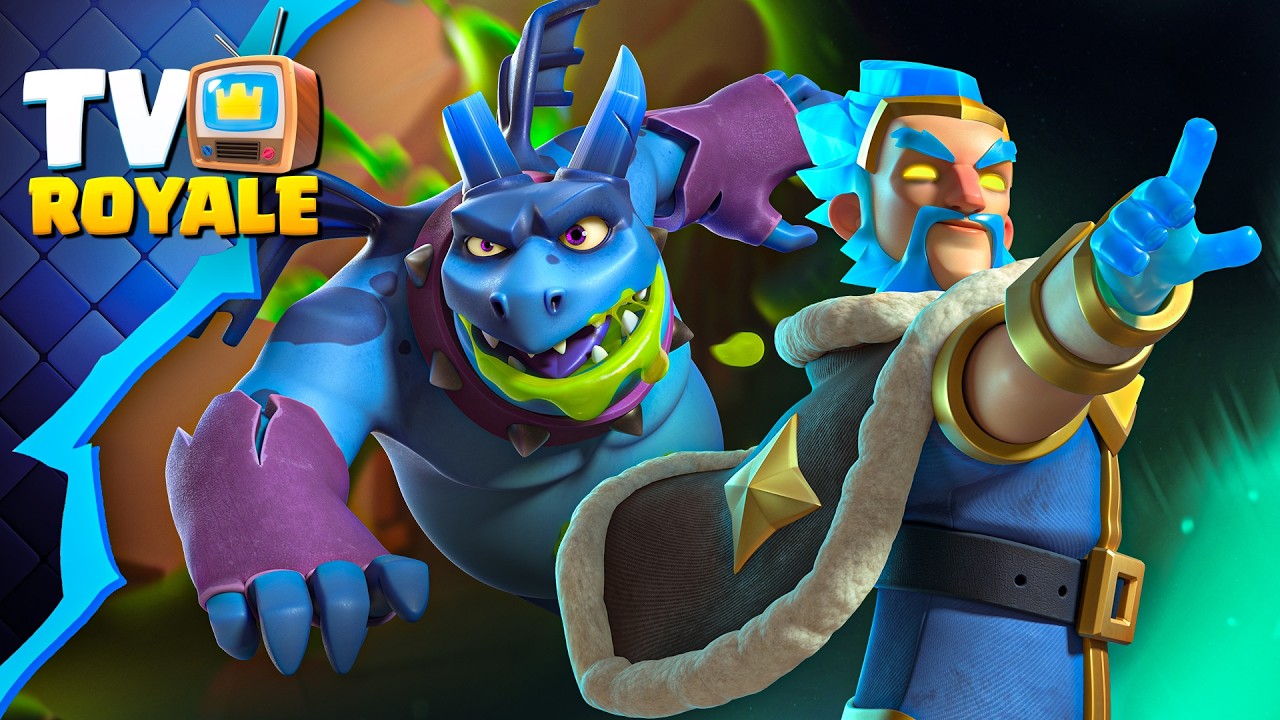
To climb the ladder in Clash Royale, players must move beyond basic card interactions and embrace the high-level synergy between specialized units. The combination of the Hero Ice Wizard and the Minion Giant is a premier example of a "counter-push" archetype. This strategy relies on the Ice Wizard’s elite crowd control capabilities to neutralize enemy pushes, followed by the seamless transition into a Minion Giant-led offensive that forces the opponent into difficult defensive decisions.
Mastering this duo requires more than just dropping cards on the bridge; it demands a disciplined understanding of elixir management, troop positioning, and the timing of your offensive windows.
The Defensive Foundation: Hero Ice Wizard Mechanics
The Hero Ice Wizard is not merely a damage dealer; he is a tempo-control unit. His primary role is to manipulate the pace of the game by slowing the attack speed and movement speed of incoming enemy pushes.
Positioning for Maximum Impact
- The Pocket Strategy: Place the Hero Ice Wizard in the "pocket" (the space between your Princess towers) during the early stages of a match. This maximizes his reach and ensures he remains protected while his slowing effect hits multiple units.
- Kiting and Distraction: Use the Hero Ice Wizard to kite melee units like P.E.K.K.A. or Prince toward the center of the arena. Because he slows them, your towers get significantly more shots off, often negating the need for building cards like the Cannon or Tesla.
- Area Denial: His ability is most effective against swarm-heavy decks or beatdown pushes that rely on high-HP tanks. By slowing the tank, you force the support units to move ahead of their protection, making them vulnerable to your secondary defensive troops.
Executing the Minion Giant Counter-Push
The Minion Giant is an unconventional win condition. Unlike traditional tanks that soak up damage, the Minion Giant provides constant, scaling pressure. Every time it spawns minions, you are effectively adding "free" damage to your push, forcing the opponent to spend elixir on air defense that they might have otherwise saved for your ground units.
The "Back-to-Front" Build-Up
Never lead with the Minion Giant at the bridge unless you are in a desperate late-game scenario. Instead, deploy him at the very back of your King Tower. This allows you to:
- Regenerate Elixir: By the time the Minion Giant reaches the bridge, you will have regained the elixir spent to place him.
- Stack Support: This delay gives you time to place the Hero Ice Wizard behind him. The Ice Wizard will handle defensive units attempting to kill the Minion Giant, creating an impenetrable core.
- Bait Spells: Opponents often panic-spell the minions spawned by the Minion Giant. If they drop a Poison or Arrows, your path is clear for other support troops to move in.
Strategic Synergies and Deck Composition
To support the Hero Ice Wizard and Minion Giant, your deck must be built to handle common meta threats. The "Cycle and Protect" philosophy is the best way to ensure your win condition survives.
| Unit Type | Role | Why It’s Essential |
|---|---|---|
| Cycle Unit | Skeletons / Ice Spirit | Essential for rotating back to your Hero Ice Wizard quickly. |
| Building | Bomb Tower / Tesla | Provides a hard stop for ground swarms or balloon decks. |
| Direct Spell | Fireball / Poison | Necessary for clearing medium-HP troops that target your Minion Giant. |
| Small Spell | Zap / The Log | Critical for resetting Inferno Towers that threaten your Minion Giant. |
Managing Elixir Efficiency During Transitions
The biggest mistake players make with this duo is "over-investing." If you commit both units while the opponent has a significant elixir advantage, you will be open to a lane-switch punishment.
The Rule of Two-Thirds
Only commit to a Minion Giant push if you have successfully defended a push using less elixir than the opponent spent. If you defend with a Hero Ice Wizard and a low-cost unit, you have the elixir "banked" to support the tank. If you spend your entire bar on defense, do not start a push. Instead, reset to a defensive posture and wait for the next cycle.
Handling Lane-Switch Punishments
If an opponent tries to pressure the opposite lane while your Minion Giant is moving, trust the defensive utility of the Hero Ice Wizard. His slow effect is often enough to hold a lane for several seconds, giving you just enough time to cycle back to a defensive building or a low-cost distraction troop.
Timing Your Offensive Windows
Clash Royale matches are decided by the rhythm of the elixir meter.
- Single Elixir (0:00–2:00): Focus exclusively on chip damage and positive elixir trades. Use the Hero Ice Wizard to prevent tower damage. Only place the Minion Giant if you have a clear lead.
- Double Elixir (2:00–3:00): This is your prime window. The increased elixir generation allows you to support the Minion Giant with the Hero Ice Wizard and a secondary support unit simultaneously, creating a "death ball" effect.
- Triple Elixir / Overtime: In this phase, your objective is to overwhelm the opponent. Don't worry about perfect synergy; focus on constant, rhythmic pressure. Spawn the Minion Giant, support with the Hero Ice Wizard, and use your spells to clear any air-targeting units that emerge.
Common Mistakes to Avoid
- Ignoring the Spell Cycle: If your opponent is holding Arrows or Fireball, they are waiting for your Minion Giant’s minion spawn. Do not stack all your support troops behind the Giant. Spread them out to force the opponent to choose between hitting the tank or the support.
- Over-committing to the Hero Ice Wizard: While powerful, he is not a tank. If he is low on health, don't try to "save" him with more elixir. Let him die and focus on your next defensive rotation.
- Ignoring the King Tower: If you are losing a tower, don't waste elixir trying to save it. Transition that elixir into a massive counter-push in the opposite lane. The Minion Giant’s spawn mechanic is particularly effective at punishing players who over-commit to destroying your first tower.
By mastering the Hero Ice Wizard’s slow-down control and the Minion Giant’s persistent aerial pressure, you turn Clash Royale from a game of reactive defense into a game of calculated, overwhelming offense. Practice these transitions in friendly battles first to get a feel for the elixir timing, and you will find that few opponents can handle the constant pressure of this powerful synergy.
Free Clash Royale Codes
Current active codes and how to redeem them.

Emily Johnson
Emily writes practical mobile strategy guides with a focus on resource planning, base progression, and the early decisions that shape a long-term account.
COMMUNITY
Player Comments
140 players commented on this guide.
Nice guide. I am checking the other Clash Royale articles next.
I wish I had read this before upgrading the wrong thing.
The explanation is clear, especially for beginners.
The tips are practical and easy to follow.