
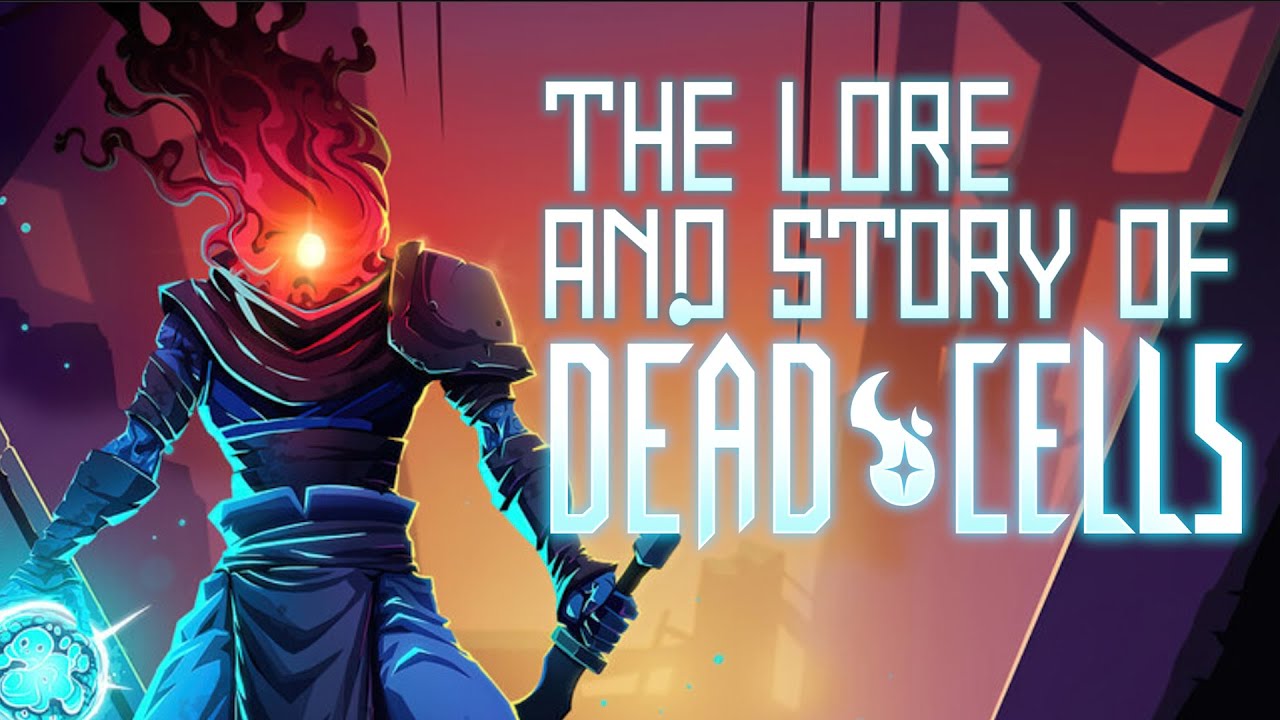
While Dead Cells+ is renowned for its frantic, high-octane combat and "roguevania" mechanics, the island you traverse is a masterclass in environmental storytelling. The narrative is not delivered through long cutscenes or exposition dumps; rather, it is baked into the decaying architecture, the behavior of the enemies, and the tragic history of the kingdom’s collapse. To fully understand the world of Dead Cells+, you must look past the immediate threat of death and begin reading the ruins of the island as a historical record.
The Alchemist, the Malaise, and the Hubris of Science
At the heart of the catastrophe in Dead Cells+ lies the Alchemist. Once a brilliant researcher, his obsession with finding a cure for a spreading illness led him to cross moral and scientific lines that ultimately doomed the kingdom. His experiments birthed the Malaise—a reality-warping, infectious corruption that acts less like a biological virus and more like a sentient, entropic force.
The Malaise transformed the citizens of the island into the aggressive, mutated husks you battle in every run. When you observe the enemies in the earlier biomes, such as the Prisoner’s Quarters or the Promenade of the Condemned, you are witnessing the direct result of a failed medical crusade. The Alchemist did not intend to destroy the world, but his hubris created a feedback loop of suffering. Recognizing this provides a necessary lens for your runs: you aren't just clearing monsters; you are witnessing the final, agonized remnants of a society that was dismantled from the inside out by its own desperation.
The King: A Symbol of Systemic Failure
If the Alchemist is the architect of the physical ruin, the King is the architect of the political one. As the Malaise began to consume the population, the King opted for isolationism. He sealed the castle, abandoned his subjects to the ravages of the plague, and retreated into a fortified bunker, hoping that by walling off the infection, he could preserve his own power.
When you finally reach the Throne Room and face the King, you are not engaging with a traditional heroic figure. You are confronting the embodiment of the kingdom’s moral decay. The King’s decision to prioritize his survival over the lives of his people is the primary reason the island is trapped in a temporal loop. By defeating him, you are effectively dismantling the final pillar of a failed regime. The game’s ending, which cycles back to the start, reinforces this theme: because the root cause—the hubris of the monarchy—is never truly addressed, the cycle of the Malaise and the Beheaded’s struggle continues indefinitely.
Decoding Environmental Storytelling
Dead Cells+ rewards players who pay attention to the background assets. Because the game lacks traditional narration, the "lore" is a scavenger hunt. To truly grasp the narrative, keep an eye on these elements:
- Background Barricades: Look for furniture stacked against doors or makeshift fortifications in the Ramparts. These tell the story of the common folk trying—and failing—to keep the infected at bay.
- Corpse Placements: The way bodies are positioned in the environment often indicates how they died. Are they huddled together in prayer, or mid-struggle? This provides context for the panic that defined the kingdom’s final days.
- Boss Interaction: Bosses like the Concierge were once guardians of the King. Their dialogue, though brief, often laments their fallen state or their lingering duty to a master who no longer cares if they live or die.
The Tragic Nature of the Beheaded
The protagonist, the "Beheaded," is a homunculus—a parasitic, immortal entity capable of possessing corpses. Understanding the Beheaded is crucial for contextualizing the gameplay. You are not a hero attempting to save the island; you are a tool of the island’s own cycle.
Your ability to respawn is not merely a player-friendly mechanic; it is part of the island’s curse. Every death and subsequent "rebirth" in the Prisoner’s Quarters is a restart of the experiment. The Beheaded is a prisoner of the process, a byproduct of the same chaotic energy that fueled the Alchemist’s work. When you choose to "continue" a run, you are actively participating in the island’s infinite, agonizing loop. This realization adds a layer of existential dread to every boss fight and biome transition.
Bridging the Gap: How DLCs Expand the Narrative
The various DLC expansions for Dead Cells+—such as The Bad Seed, Fatal Falls, and Return to Castlevania—are not just content packs; they are essential chapters in the island's history.
- The Bad Seed/Fatal Falls: These areas illustrate that the corruption reached every corner of the kingdom, from the rural farmlands to the sacred, elevated shrines. They show the absolute reach of the Malaise, proving that no sanctuary was safe from the Alchemist’s failure.
- The Queen and the Sea: This expansion provides a climax to the coastal history of the island. By exploring these biomes, you see how the kingdom attempted to flee or contain the infection through its naval and military strength, only to be overwhelmed.
- Return to Castlevania: While a crossover, these areas are integrated into the lore of the island’s fractured reality, showing how the curse can warp reality to pull in elements from other dimensions, further complicating the nature of the island’s "prison."
Why Lore Matters for Your Runs
Understanding the lore in Dead Cells+ changes your tactical approach. When you see the world as a place that is actively fighting against you, you become more observant of biome patterns. You start to recognize which enemies are "victims" of specific parts of the kingdom’s history and why they might appear in certain clusters.
For instance, knowing that certain areas were once religious institutions explains the presence of particular types of infected guards or defensive traps. By paying attention to the environment, you can better anticipate the pacing of a level. If an area looks like a "last stand" location, you can expect higher enemy density and more intense combat challenges.
Ultimately, Dead Cells+ is a game about cycles. The Alchemist’s mistake, the King’s cowardice, and the Beheaded’s parasitic nature are all threads in the same tapestry. As you progress, keep these narrative layers in mind. You aren't just playing a platformer; you are piece-by-piece uncovering the final, tragic moments of a civilization that died so that you could continue your endless, cursed loop.

Free Dead Cells+ Codes
Current active codes and how to redeem them.

Michael Smith
Michael covers live-service games, events, reward systems, and efficient daily routines, turning frequent updates into clear actions for players.
COMMUNITY
Player Comments
52 players commented on this guide.
Good guide for Dead Cells+ players. The strategy part was useful.
This guide answered the exact question I had.
Can you add more details about strategy in a future update?
This helped me understand strategy much better.