
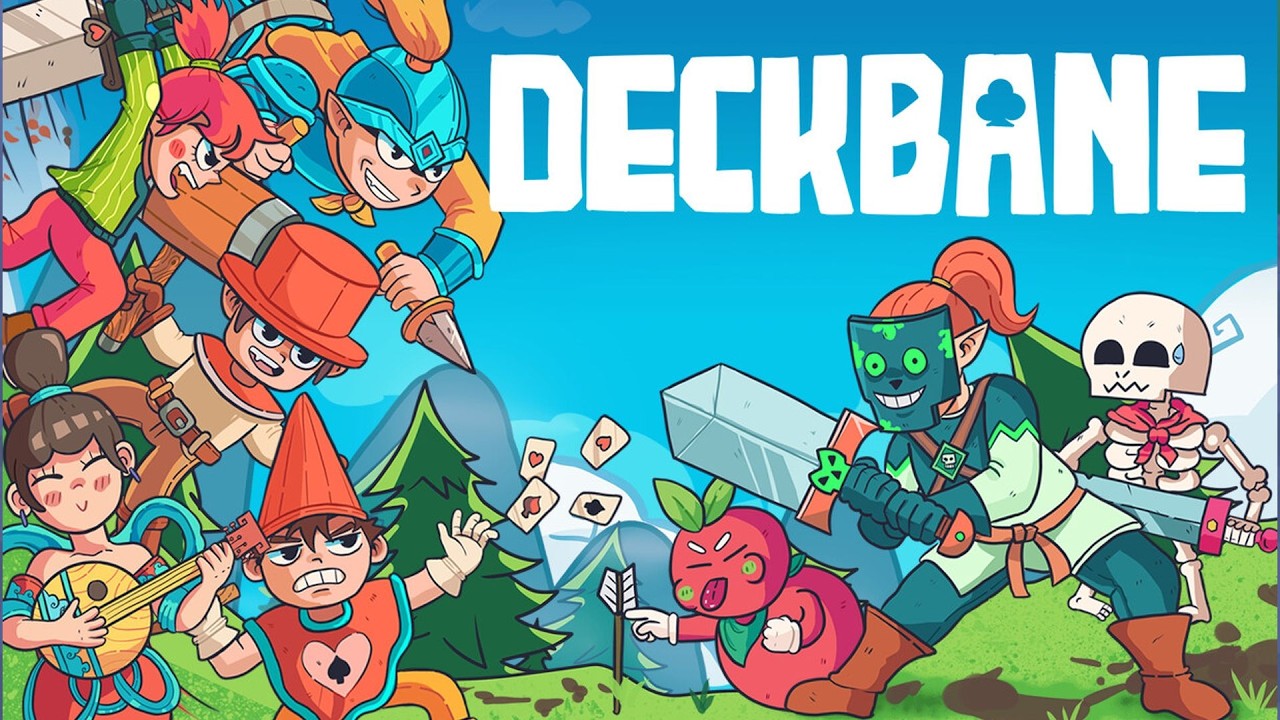
In Deckbane: Deckbuilder & Poker, your attack power is calculated by the poker hand combinations you assemble rather than static individual card values. To survive turn-based encounters, prioritize playing consistent, high-probability hands like pairs or three-of-a-kind over chasing rare high-value sets. Combine steady hand assembly with early-turn discards and strategic board positioning to minimize incoming damage and conserve deck resources.
Balancing Poker Hand Risk and Attack Consistency
During combat, Deckbane evaluates your completed poker hand against enemy defensive stats. Higher-ranking poker combinations deal massive damage, but holding cards to force a rare set exposes you to enemy attacks while cycling through your deck.
Focus on the hand combination that best suits your current deck state:
| Poker Hand Objective | Execution Risk | Primary Purpose | Best Combat Scenario |
|---|---|---|---|
| Pairs & Three-of-a-Kind | Low | Consistent baseline damage | Standard mob fights and maintaining shields when health is low. |
| Straights & Flushes | Moderate | High damage and burst turns | Eliminating high-threat enemies before their turn timer expires. |
| Full Houses & Royal Flushes | High | Maximum burst damage | Finishing off boss encounters when victory is guaranteed. |
If your deck contains mostly low-value cards, secure simple pairs to maintain steady damage output. Chasing rare combinations like royal flushes with an unoptimized deck wastes turns and leads to heavy health attrition.
Hand Cycling and Deck Management
Every card in hand represents a potential piece of a poker combination. Managing your hand limit through early discards allows you to search for missing suits or ranks.
Follow these resource guidelines during combat:
- Discard early in the turn: Clear mismatched cards at the start of a round to hunt for specific ranks or suits that complete your target hand.
- Monitor total deck capacity: Aggressive discard cycling exhausts your draw pile quickly. Avoid burning through your entire deck in standard encounters.
- Clear space on low-threat turns: If an enemy poses minimal immediate threat and your hand lacks synergy, play a basic low-damage hand to draw fresh cards next round without burning discard actions.
Grid Positioning and Target Selection
Positioning on the combat grid directly influences your damage output and survivability. Tile placement determines melee and ranged reach, safety from counterattacks, and situational hand bonuses.
- Check tile modifiers first: Move onto board tiles that provide statutory bonuses to specific poker hands before playing your cards.
- Prioritize high-threat targets: Focus your strongest poker combinations on enemies with active turn timers or incoming high-damage abilities.
- Fall back on defensive effects: If your current hand cannot secure a kill, play cards that grant shields, defensive buffs, or crowd control to stall enemy movement until the next turn.
Card Selection for Deck Expansion
When picking reward cards to expand your deck, prioritize utility and stability over situational high-end power.
- Target wild cards and cycling tools: Select cards that substitute for missing ranks or grant extra draws to complete sets easily.
- Raise your minimum damage floor: Choose cards that improve basic pair efficiency so your poor draws still deal reasonable damage.
- Avoid niche condition cards: Pass on cards that rely on specific draw orders or rare combinations to function effectively.
Free Deckbane: Deckbuilder & Poker Codes
Current active codes and how to redeem them.

Emily Johnson
Emily writes practical mobile strategy guides with a focus on resource planning, base progression, and the early decisions that shape a long-term account.
COMMUNITY
Player Comments
41 players commented on this guide.
I wish I had read this before upgrading the wrong thing.
This guide answered the exact question I had.
Good guide for Deckbane: Deckbuilder & Poker players. The early game part was useful.
The explanation is clear, especially for beginners.