
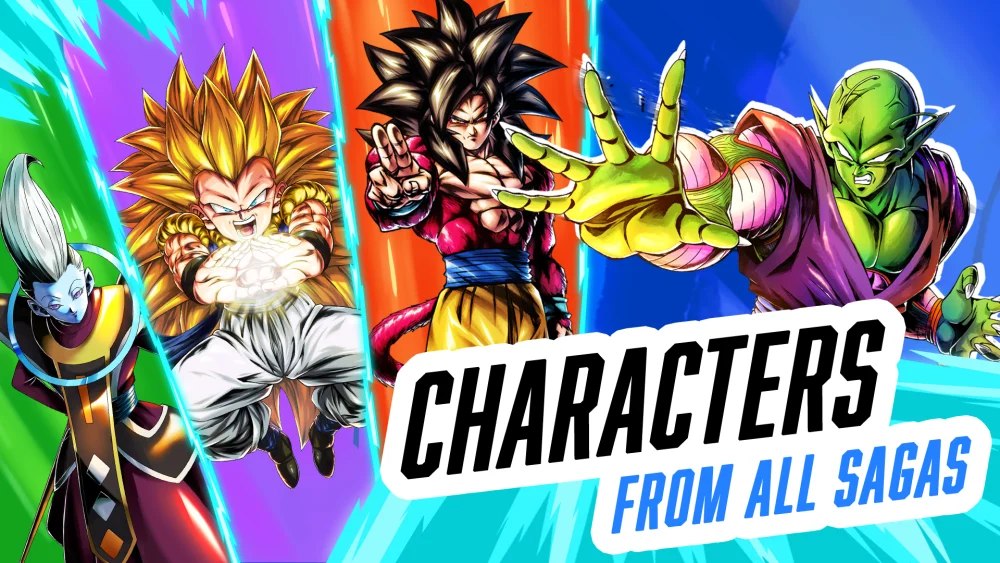
In DRAGON BALL LEGENDS, nothing feels worse than spending tens of thousands of hard-earned Chrono Crystals on a newly summoned Legends Limited (LL) or ULTRA unit, only to discover they fall completely flat in high-level Rating Matches. Whether due to rapid power creep, poorly designed kits, or over-hyped skill sets that fail in practice, certain characters become major liabilities for your team.
To build a competitive PvP roster and keep your resources safe, you need to look past high rarity tags and flashy animations. This guide breaks down why specific characters underperform in DRAGON BALL LEGENDS, details the mechanics that define modern meta units, exposes common Zenkai traps, and provides a framework to evaluate banners before you summon.
---
What Defines an Underwhelming Unit in DRAGON BALL LEGENDS?
An underwhelming unit in DRAGON BALL LEGENDS is any character whose kit mechanics, stat distribution, or defensive capabilities fail to meet the demands of the current competitive meta. A unit can fall into this category in two primary ways: day-one kit design flaws or severe power creep.
[ Unit Evaluation Criteria ]
       │
       ├─► Defensive Utility (Cover Changes, Sustained Damage Cut, Disruption)
       ├─► Neutral Game Control (Cover Change Nullification, Vanish Recovery)
       ├─► Combo Longevity (Card Draw Speed, Ki Generation, Card Destruction)
       └─► Passives & Team Synergies (Z-Ability Buffs, Zenkai Buff Compatibility)
High-performing characters control the flow of match play. They shorten switch counts, erase enemy cover changes, disrupt combo strings by removing Ki or destroying cards, and possess reliable defensive gauges. When a character lacks these foundational tools, even high base offensive stats cannot compensate for their vulnerabilities in modern PvP combat.
---
The Anatomy of a High-Hype Meta Trap
The most dangerous units for your Chrono Crystal wallet are not weak Hero or Extreme characters—they are high-hype Sparking, Legends Limited, and ULTRA units that fail to live up to their banner expectations.
+-------------------------------------------------------------------------+
|                        THE HIGH-HYPE TRAP CYCLE                         |
|                                                                         |
|  [ Iconic Anime Form / Hype ] ──► [ Player Resource Investment (CC) ]   |
|                                                     │                   |
|                                                     ▼                   |
|  [ Clunky Mechanics / Weak Defense ] ◄── [ Fails in PvP Rating Matches] |
+-------------------------------------------------------------------------+
Why Popular Anime Characters Suffer Design Flaws
Developers occasionally balance fan-favorite units conservatively to avoid instant game power-creep. This balance attempt often leaves the unit missing key tools required to survive top-tier matchups.
- Restrictive Conditionality: Kit passives that require extreme setups (e.g., needing two defeated allies, taking 50 timer counts to build up damage, or relying on specific tag combinations).
- Split Stat Scaling: Units with kits split between Strike and Blast damage output without dedicated support cards, Diluting their effectiveness on optimized mono-type teams.
- Poor Card Draw Speed (CDS): Without built-in Card Draw Speed increases, units cannot extend combos long enough to secure knockouts or build Rising Rush priority.
- Lack of Strike/Blast Armor: Characters without armor on Special Move or Ultimate Arts cards struggle to break through enemy Blast card zoning, leaving them open to easy counter-play.
---
Mandatory Kit Checklist: Modern Meta vs. Underwhelming Units
Before committing resources to any character banner or Zenkai Awakening in DRAGON BALL LEGENDS, cross-reference their kit against the mechanical necessities of the current combat system.
       ┌────────────────────────────────────────────────────────┐
       │   Modern PvP Kit Requirements (Must-Have Features)     │
       └───────────────────────────┬────────────────────────────┘
                                   │
      ┌────────────────────────────┼────────────────────────────┐
      ▼                            ▼                            ▼
[ Offensive Pressure ]     [ Defensive Disruption ]      [ Match Utility ]
• Cover Nullification     • Ki/Card Destruction        • Sub Count Reduction
• +1/+2 Card Draw Speed   • Unfavorable Factor Null    • Vanish Restore
• Blast/Strike Armor      • Endurance / Revival        • Unique Gauge Control
1. Offensive Pressure & Neutral Control
- Nullify Special Cover Change: In modern play, running a primary damage dealer without Cover Change Nullification means your combos will be interrupted constantly by enemy swap-ins.
- Ki Recovery & Card Generation: High damage stats mean nothing if a unit runs out of Ki after two cards. Meta units generate Ki on switch-in, card draw, or unique gauge fill.
2. Defensive Disruption & Survival
- Sustained Damage Cut & Healing: Base damage reduction must reach competitive standards (typically 65% to 70%+ baseline), paired with health recovery upon taking hits or entering the battlefield.
- Combating Enemy Rising Rush: Reliable units feature Endurance, Revival, or Sub Count Reduction (lowering bench switch timers when the enemy activates a Special Move or Rising Rush). Characters lacking defensive mechanics leave your entire team vulnerable to instant one-shots.
---
The Zenkai Awakening Trap: Not All Zenkais Are Saved Equal
Zenkai Awakenings are meant to revive older, power-crept units by boosting their stats and granting two new passive abilities. However, relying blindly on a Zenkai release is one of the quickest ways to waste Zenkai Souls and resource slots.
                        ZENKAI SELECTION MATRIX

       [ New Zenkai Announcement ]
                    │
         ┌──────────┴──────────┐
         ▼                     ▼
  [ Offensive Kit ]     [ Bench Stat Buffer ]
         │                     │
         ├─ No Cover Null?     ├─ Double Z-Ability?
         ├─ Static Cuts?       ├─ Tag Match Synergy?
         ▼                     ▼
  ( DO NOT FIELD )       ( BENCH UNIT ONLY )
Identifying Failed Zenkai Awakenings
- Stat Inflation Without Utility: A Zenkai update might increase a unit's Strike Attack to modern levels, but if the character still lacks Cover Change Nullification or Card Draw Speed, they remain unusable on the frontline.
- Niche Anti-Tag Passives: Zenkai passives that grant damage boosts against obscure or non-meta tags (e.g., "+20% damage to Tag: DB Saga") provide very little real-world value in competitive PvP.
- Outdated Z-Abilities: If a character’s base Z-Ability only buffs a single stat (e.g., 28% to Base Strike Defense) rather than dual stats or Tag options, their overall team contribution remains low, even as a Zenkai bench buffer.
---
Meta Pillars vs. Underwhelming Traps
The following table breaks down structural differences between high-value meta investments and trap characters in DRAGON BALL LEGENDS:
| Feature / Mechanic | High-Value Meta Unit | Underwhelming Trap Unit |
|---|---|---|
| Cover Change Protection | Access to Cover Nullification on Main, Entry, or Green Card | No Cover Nullification; combos are easily broken |
| Combo Extension | Native +1 or +2 Card Draw Speed with Ki gain | Base Card Draw Speed; runs out of Ki after 2–3 cards |
| Defensive Utility | Sub count reduction, endurance, or disrupt gauges | Static damage reduction with no health recovery or disruption |
| Neutral Game Options | Armor on Strike/Ultimate cards or Vanish recovery | Vulnerable to Blast card baiting with slow animation recovery |
| Team Synergy | Dual-stat Z-Ability with broad Tag / Episode coverage | Single-stat Z-Ability or overly restrictive tag requirements |
| Longevity Expectation | High utility kit retains value even as stats creep | High raw stats age out rapidly as power creep accelerates |
---
How to Protect Your Chrono Crystals: A 5-Step Evaluation Framework
Avoid spending Chrono Crystals on underperforming units by running every new banner release through this step-by-step decision framework:
[ Step 1: Read Complete Kit Passives ]
                  │
                  ▼
[ Step 2: Test Animations & Frame Data in Try Mode ]
                  │
                  ▼
[ Step 3: Evaluate Z-Ability & Zenkai Bench Value ]
                  │
                  ▼
[ Step 4: Check Team Core Compatibility ]
                  │
                  ▼
[ Step 5: Wait 48–72 Hours for High-Rank Meta Testing ]
Step 1: Inspect the Full Passive Kit First
Never pull based on preview videos alone. Read the unit's complete passive descriptions in the news section or unit database. Check for defensive cut values, Cover Nullification triggers, Ki recovery, and conditionality.
Step 2: Use "Try Mode" for Animation and Frame Testing
Before spending a single crystal, jump into the banner's character preview (Try Mode). Test the character's attack strings:
- Does their Green Card feature long startup frames?
- Does their Special Move have Blast Armor?
- Are their melee card attack animations fast or easy to interrupt?
Step 3: Assess the Z-Ability Value
Ask yourself: If this unit falls out of the main battle meta in three months, will they still be useful? Units with double offensive Z-Abilities (e.g., +30% to Strike & Blast Attack for "Saiyan" or "Fusion Warrior") remain valuable on the bench long after their combat viability drops.
Step 4: Check Your Existing Core Synergy
A strong unit without a proper home team will underperform. If a powerful new character requires a full "Lineage of Evil" setup, but your account is geared toward "Son Family," pulling that character forces you to summon on multiple extra banners just to build a functional team.
Step 5: Enforce the 48-Hour Waiting Rule
Avoid summoning on day one of a banner drop. Allow top-rank PvP players and content creators 48 to 72 hours to test the unit in high-rating matches. Real match performance against top-tier teams will quickly reveal if a character suffers from hidden flaws.
---
Common Mistakes Players Make in DRAGON BALL LEGENDS
1. Equating Anime Popularity with In-Game Power
A common mistake is assuming that iconic transformations or movie climax forms automatically translate into top-tier units. Kit design dictates performance in DRAGON BALL LEGENDS, not character popularity.
       [ Unit Design Reality Check ]

   Anime Climax / Iconic Moment ≠ Meta Dominance
   Proper Kit Mechanics + Utility = Meta Dominance
2. Over-Investing in Stars on Flawed Base Kits
Attempting to fix a fundamentally weak character by spending Limit Break Capsule Z Power or chasing extra banner copies to reach 9+ stars rarely works. Extra stats will not make up for missing mechanics like Cover Nullification or Sub Count Reduction.
3. Ignoring Unique Equipment Requirements
Some older units require high-rolled Unique Equipment to become viable. If a unit relies entirely on rolling an "Awakened" or event-exclusive piece of equipment to function, factor in the massive Zeni, Slot Removers, and Memory resources required before pulling.
---
Final Strategy for Long-Term Roster Success
Building an efficient roster in DRAGON BALL LEGENDS requires disciplined resource management and objective kit analysis. By learning to recognize the warning signs of underwhelming units—such as restrictive conditions, weak defensive utility, missing cover nullification, and poor Z-Abilities—you can protect your Chrono Crystals for banners that offer genuine account value.
Always prioritize units with high utility, neutral control, and broad team synergy over short-term hype. This balanced approach ensures your team stays competitive across meta shifts without wasting resources on short-lived releases.
Free DRAGON BALL LEGENDS Codes
Current active codes and how to redeem them.

Michael Smith
Michael covers live-service games, events, reward systems, and efficient daily routines, turning frequent updates into clear actions for players.
COMMUNITY
Player Comments
145 players commented on this guide.
Can you add more details about heroes in a future update?
Good guide for DRAGON BALL LEGENDS players. The heroes part was useful.
Nice guide. I am checking the other DRAGON BALL LEGENDS articles next.
The tips are practical and easy to follow.