
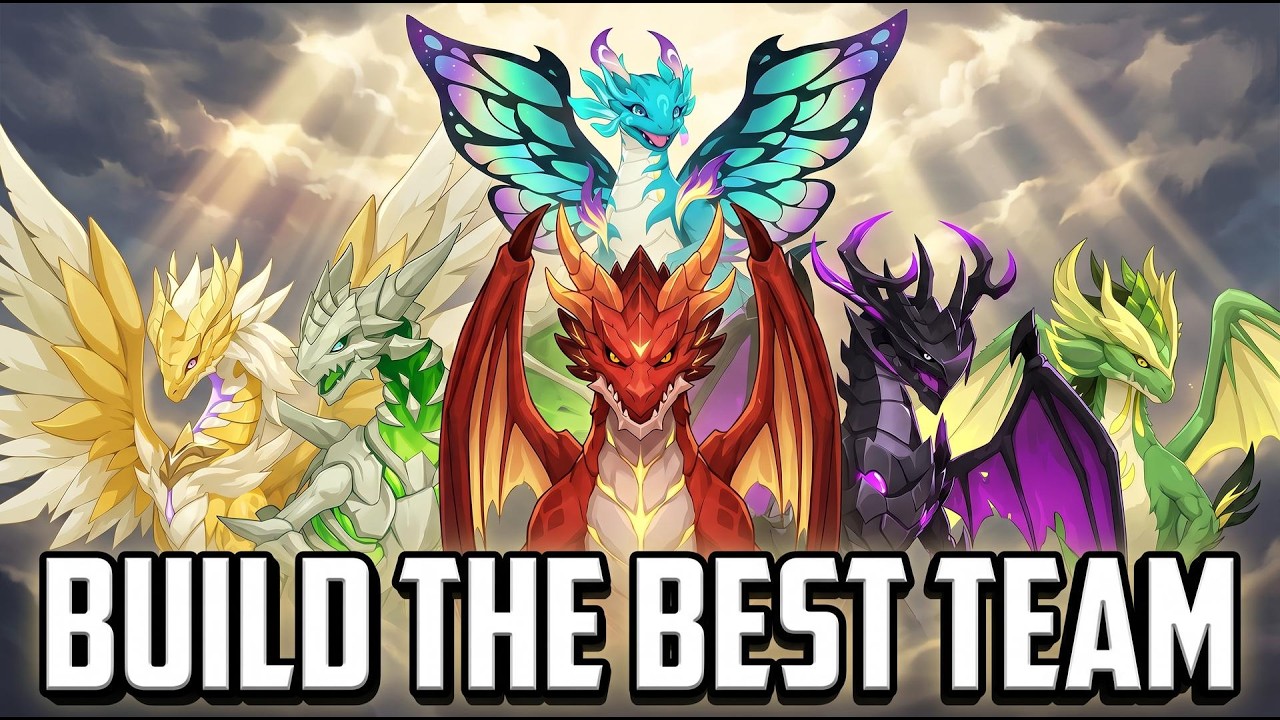
Building a powerful, cohesive team in Dragon Traveler is the primary gatekeeper for late-game progression. While many players become obsessed with pulling the latest high-rarity units, the reality is that Dragon Traveler rewards mechanical synergy and role optimization far more than raw power. To push past difficult boss encounters and high-level campaign chapters, you must shift your focus from chasing "meta" tier lists to understanding how your heroes interact within a structured party.
This guide provides the framework for building a balanced, sustainable team capable of overcoming the game’s toughest content by leveraging your existing roster effectively.
The Core Philosophy: Role Allocation Over Rarity
The most common mistake in Dragon Traveler is assembling a team of five high-rarity units that lack a cohesive "identity." In the late game, enemies hit harder and possess mechanics that punish unorganized teams. To survive, you must adhere to a strict role-based structure:
- The Anchor (Tank): Your frontline hero. They must possess high base HP and defense stats, but more importantly, they need "aggro-pulling" abilities or damage-mitigation passives. If your tank dies, your backline will collapse in seconds.
- The Engine (Support/Utility): This hero is the heartbeat of your team. Whether they provide raw healing, shields, or crucial buffs, the Engine ensures your Anchor remains standing and your DPS can perform without interruption.
- The Striker (Primary DPS): Your main damage dealer. They should be focused on capitalizing on windows of opportunity created by your Support and debuffers.
- The Flex Slot: This position is for situational utility. Depending on the challenge, this could be a secondary DPS, a crowd-control (CC) specialist, or a secondary healer.
Expert Insight: Do not be afraid to use a lower-rarity hero if their kit perfectly fills a role you are missing. A blue-rarity unit with a reliable defense-down debuff is often more valuable than a legendary unit that offers nothing but raw damage.
Mastering Skill Synergies: The "Prime and Detonate" Strategy
Advanced Dragon Traveler combat revolves around "Combo Chains." Instead of looking at individual hero stats, examine the skill descriptions to find complementary effects. The most effective method for scaling damage without needing better gear is the "Prime and Detonate" loop.
- Priming: A hero applies a status effect (vulnerability, defense down, or elemental weakness).
- Detonating: A damage dealer uses a skill that consumes or capitalizes on that status effect for massive bonus damage.
The Synergy Checklist
Before finalizing your team, run your current lineup through this checklist to ensure they aren't working against each other:
- Turn Order Management: Are your supports acting before your Strikers? If your DPS attacks before your support applies a "Vulnerability" debuff, you are effectively wasting your most powerful turn.
- Cooldown Staggering: Avoid building teams where every hero has a 4-turn cooldown on their ultimate. You want a constant flow of impact rather than a "burst and bust" cycle.
- Resource Efficiency: Ensure your team's total "Ability Point" cost is sustainable over a long fight. If your heroes consume too many resources, you will hit a dead turn where you are forced to use weak basic attacks.
Why Tier Lists Fail You
Community tier lists are excellent for identifying general power levels, but they are often deceptive because they lack context. A top-tier DPS unit might be useless if they require a specific "battery" hero to feed them energy that you haven't pulled yet.
Instead of chasing the meta, perform a "Synergy Test." Take your team into a low-level combat node and watch the animations. Are your heroes fighting as five individuals, or are they setting up plays for each other? If you find yourself waiting for a single unit to carry the entire team, your composition is flawed. Invest in units that make the entire team better, not just units that look impressive on a stats sheet.
Optimizing Sustain: The Art of Staying Alive
In Dragon Traveler, "sustain" is not just about healing—it is about damage mitigation. If your healer cannot keep up with the incoming boss damage, you have two options: increase your healing output or decrease the damage you take.
- Active Healing: Best for encounters with consistent, low-level chip damage.
- Shielding: Superior against "burst" bosses that try to one-shot your team. Shields effectively grant your heroes a second health bar.
- Mitigation (Dodge/Damage Reduction): These are often overlooked but are essential for late-game stages. A unit that grants a 20% damage reduction buff can be the difference between a wipe and a victory.
Pro-Tip: If your team is failing, check if your sustain unit is being interrupted. Many healers lose their effectiveness if they are hit with crowd-control effects. Positioning your healer in a slot less likely to be targeted by front-line attacks can save your entire run.
Adapting to Content-Specific Challenges
The final step to becoming a Dragon Traveler expert is learning when to break your own rules. Every boss in the late game acts as a "gear and strategy check."
- Timing Out? You are likely missing defense-down debuffs or your team is too defensive. Swap your Flex slot for a high-damage sub-DPS.
- Dying Too Fast? Your team lacks mitigation. Swap a secondary DPS for a "Crowd Control" specialist who can stun or freeze the boss's most dangerous attacks.
- Boss Cleansing? If a boss is stacking massive buffs on themselves, you absolutely need a unit that can "Dispel" or "Cleanse" enemy status effects. Without this, your raw stats will never overcome the boss's scaling health.
By maintaining a flexible roster and understanding the "why" behind your team composition, you can clear Dragon Traveler content that players with "higher-tier" but unoptimized teams cannot touch. Remember: the best team is the one that works in harmony, not the one with the highest collection of rare portraits.

Free Dragon Traveler Codes
Current active codes and how to redeem them.

Sarah Williams
Sarah specializes in RPG and collection games, explaining team building, character growth, and beginner-friendly ways to avoid expensive early mistakes.
COMMUNITY
Player Comments
56 players commented on this guide.
This saved me time in the early game.
The explanation is clear, especially for beginners.
I wish I had read this before upgrading the wrong thing.
Nice guide. I am checking the other Dragon Traveler articles next.