
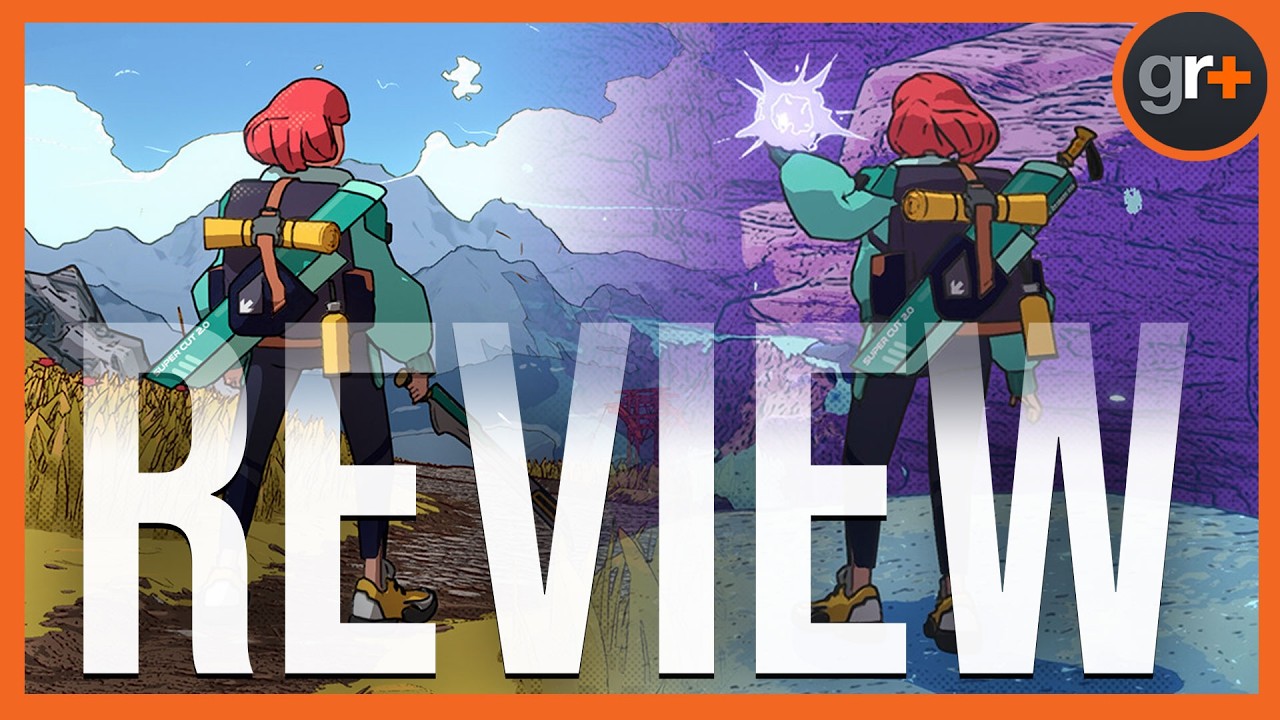
In Dungeons of Hinterberg, your success is defined by a rhythmic, high-stakes balance between your daytime career as a monster-slaying tourist and your evening life as a socialite. While the game’s vibrant Alpine setting and charming village aesthetic suggest a relaxing holiday, the underlying mechanics demand a rigorous, strategic approach to time management. To conquer the most difficult dungeons and bosses, you must treat your social relationships not as a narrative distraction, but as the primary engine for your character’s mechanical growth.
The Social-Combat Loop: Why Relationships Matter
In most action-RPGs, character growth is tied exclusively to XP and gear drops. Dungeons of Hinterberg diverges from this by linking your character's combat efficacy to your social standing with the local NPCs. Every evening spent in the village is an opportunity to acquire "Conduits" or "Perks" that directly modify your performance in the field.
When you deepen a bond with an NPC, you are not just unlocking dialogue; you are often unlocking a permanent passive ability. These might include increased health pools, higher damage output with specific magic types, or unique quality-of-life improvements that make traversing the game's complex 25 dungeons significantly faster. If you treat socializing as secondary, you will find yourself under-leveled and under-equipped, regardless of how well you perform in combat.
Strategic Prioritization: Choosing Your Evening Company
Because your time is finite—you can only complete one social activity per night—you must be decisive. Not all NPCs offer the same utility, and your choice should be dictated by your current build and the upcoming challenges of the next region.
- Audit Your Needs: Before heading to the village, check your current "Perk" menu. Are you dying too quickly? Look for NPCs that offer defensive or health-related buffs. Is your damage output feeling sluggish against high-HP enemies? Prioritize relationships that boost your attack power or magical efficacy.
- The "Friendship" Tier List: Some NPCs provide immediate, high-impact combat buffs, while others offer more narrative-focused rewards or gear discounts. In the early game, focus on characters who provide direct offensive or defensive bonuses to create a stable foundation for the first few regions.
- Don't Spread Yourself Thin: It is more effective to max out a few key relationships early than to have a dozen superficial friendships. The higher your bond level with a specific character, the more potent their associated perk becomes.
Managing the Day-Night Cycle for Maximum Efficiency
The core gameplay loop of Dungeons of Hinterberg is a rigid, binary system. The day is for dungeon crawling, and the night is for community. To master this, you must treat your day-to-day schedule like a project manager.
The Daytime Strategy: Your goal during the day is to clear as much of a dungeon as possible to unlock the next region or reach a boss. Use your magic—which is tied to your equipment—to solve environmental puzzles. If you find a section you cannot clear, note the specific puzzle type or enemy weakness, as this will inform which social perk you should hunt for that night.
The Evening Strategy: Your goal at night is to optimize your toolkit for the following day. If you know you are heading into a fire-themed dungeon (or one with specific enemy archetypes), look for NPCs whose social perks provide elemental resistances or damage multipliers against those specific threats.
Leveraging Combat Utility and Gear Upgrades
Socializing serves as a force multiplier for your gear. Many of the items and enhancements you encounter in the shops or as rewards for side quests are gated or improved by your social progression. By building strong relationships, you ensure that you aren't just relying on "base" gear.
For instance, certain NPCs will grant you access to specialized gear upgrades or "Conduits" that can alter how your magic functions. A standard spell might become a wide-area-of-effect attack or a defensive shield, depending on the upgrades you’ve acquired through your social network. This makes your character significantly more versatile, allowing you to adapt to the changing hazards of the Alpine landscape.
Tackling Boss Encounters: The Final Test
Bosses in Dungeons of Hinterberg serve as the ultimate litmus test for your planning. They are not merely combat checks; they are puzzle-combat hybrids that require you to utilize your entire arsenal.
If you approach a boss fight without having invested in the necessary social perks, you will find the difficulty spike to be punishing. The most successful players are those who spend the nights leading up to a boss encounter specifically targeting the NPCs who grant "Boss-Killer" perks—abilities that increase your damage against elites or provide recovery bonuses during drawn-out fights.
Best Practices for Progression:
- Read the Character Menu Daily: Always check which perks are currently active and which are at level 1. Focus on upgrading your most-used perks to level 2 or 3.
- Align Perks with Dungeons: If you are about to enter a region known for platforming, look for perks that boost your movement or stamina.
- Don't Ignore Side Quests: Often, the "evening" activities will lead to side quests that provide additional resources, which can then be traded for even better gear.
- Prioritize Combat Utility: In the mid-to-late game, prioritize NPC interactions that grant permanent stat increases (HP/MP) over narrative-only interactions.
Common Mistakes to Avoid
- Treating Socializing as Optional: Many players make the mistake of rushing into dungeons without checking their social perks. You are essentially fighting with one hand tied behind your back if you do this.
- Neglecting the "Evening" Window: Never end a day without spending your evening. If you have no one to talk to, use the time to gather resources or refine your gear, but always ensure you are doing something to prepare for the next morning.
- Ignoring Elemental Weaknesses: If you are struggling with a specific type of enemy, check your social perks. There is almost always a relationship that can provide a buff to help mitigate that exact enemy type.
Final Thoughts: The Path to Success
Dungeons of Hinterberg rewards the player who approaches the game with a dual mindset: the tactical combatant during the day and the social strategist during the night. By understanding that your relationships are a core component of your character build, you can turn the game from a challenging survival experience into a masterclass in efficiency. Focus your social efforts, plan your days around your weaknesses, and use your friendships to bridge the gap between failure and victory.

Free Dungeons of Hinterberg Codes
Current active codes and how to redeem them.

Emily Johnson
Emily writes practical mobile strategy guides with a focus on resource planning, base progression, and the early decisions that shape a long-term account.
COMMUNITY
Player Comments
30 players commented on this guide.
This helped me understand heroes much better.
This saved me time in the early game.
Can you add more details about heroes in a future update?
This guide answered the exact question I had.