
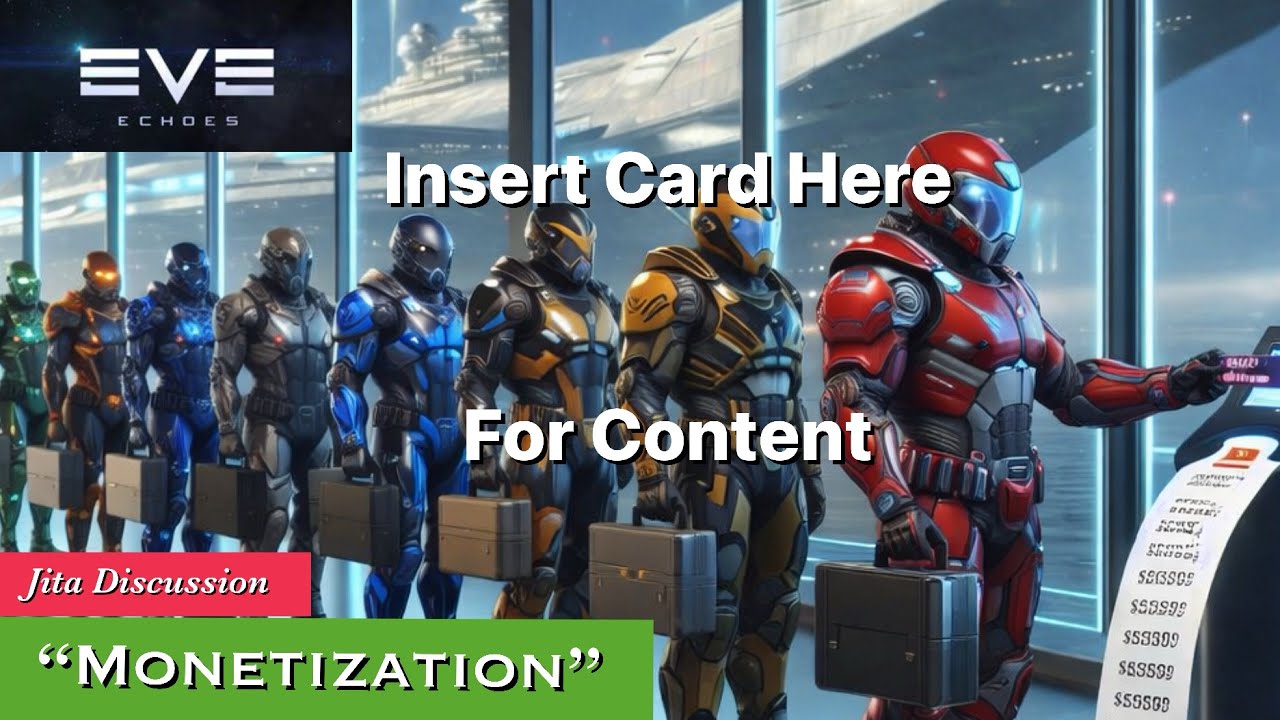
To get the most out of nanocore integration in EVE Echoes without draining your wallet or wallet balance, limit your upgrades to the baseline tiers and apply them strictly to your primary fleet doctrine hulls. Stop before reaching high-tier integration stages, where diminishing returns turn upgrades into expensive resource sinks.
Nanocore integration permanently fuses secondary cores and specialized materials into an existing hull's nanocore. This process unlocks passive sub-slots that grant percentage bonuses to damage output, effective hit points (EHP), and specialized weapon attributes.
---
Integration Investment Tiers
Integration costs increase dramatically at higher phases, shifting from accessible gameplay rewards to heavy market purchases and real-money bundles. Use the return on investment to decide when to stop upgrading:
| Integration Phase | Primary Resource Required | Practical Stat Gain | Target Profile |
|---|---|---|---|
| Tier 1–2 (Baseline) | Concord Pass / Event Cores | 3%–6% DPS & Tank | All active PvP and PvE pilots |
| Tier 3–4 (Advanced) | Duplicate Faction Cores & ISK | 7%–12% Utility & Tracking | Dedicated doctrine fleet anchors |
| Tier 5+ (Maxed) | High AUR / Real-Money Bundles | Marginal 1%–3% Increments | Capital pilots and competitive spenders |
The Three-Hull Rule
Before buying sacrificial cores on the Jita market or redeeming real-money bundles, calculate your total hull replacement cost. If the cost of integrating your core exceeds the value of replacing your ship three times over, pause the upgrade. Never sink high-value integration materials into a ship you cannot afford to lose during routine operations in lowsec or nullsec.
---
Stat Allocation Priorities
Integrated slots should enhance the defined engagement profile of your ship rather than general utility stats like cargo volume or minor capacitor recharge. Target attributes that directly preserve your hull or apply damage:
- Shield and Armor Repair Cycle Times: Enhances local active repairs for brawlers and battlecruisers under heavy energy neutralizing pressure.
- Optimal Range and Falloff: Crucial for kiting platforms, such as railgun cruisers and beam laser battlecruisers, keeping them beyond hostile tackle range.
- Tracking Speed: Essential for close-range turret platforms using autocannons or blasters to hit fast-moving frigates.
- Signature Radius Suppression: Vital for reconnaissance and covert ops ships relying on speed and small signatures to mitigate incoming missile and capital weapon damage.
When recalibrating secondary stats, accept an above-average roll. Chasing maximum theoretical rolls burns through scarce recalibration materials with no guarantee of improvement.
---
Selecting Ships for Integration
Because integrated bonuses bind to a specific core and hull, committing materials locks those assets to a single weapon system and playstyle. Prioritize hulls based on deployment frequency:
- Doctrine Alignment: Prioritize ships utilized in regular corporation or alliance fleets, such as command battlecruisers, mainline DPS cruisers, or logistics hulls. Fleet deployments provide consistent value for your investment.
- Role Specialization: Match the integration to the role. Mainline combat hulls benefit most from raw damage and rate-of-fire boosts, while logistics platforms require bonuses to remote armor or shield transfer range.
- Avoid Niche Hulls: Avoid sinking valuable integration materials into off-meta roaming ships or solo hulls that spend most of their time docked.
---
Countering High-Tier Integration Without Overspending
While maxed nanocore integration widens the stat gap between casual players and heavily funded accounts, integrated stats do not replace tactical piloting. Integrated ships remain susceptible to standard fleet counters:
- Coordinated electronic warfare, warp disruptors, and energy neutralizers shut down active-tanked and high-DPS hulls regardless of their integration tier.
- Heavy tackle swarms can overwhelm high-value targets that make positioning errors.
- Selling tradeable, event-driven cores on the Jita market allows free-to-play and low-spend pilots to fund faction modules, rigs, and replacement hulls instead of chasing marginal integration stats.

Free EVE Echoes Codes
Current active codes and how to redeem them.

Michael Smith
Michael covers live-service games, events, reward systems, and efficient daily routines, turning frequent updates into clear actions for players.
COMMUNITY
Player Comments
43 players commented on this guide.
This helped me understand strategy much better.
The tips are practical and easy to follow.
This saved me time in the early game.
I tried this today and it worked better than my old setup.