
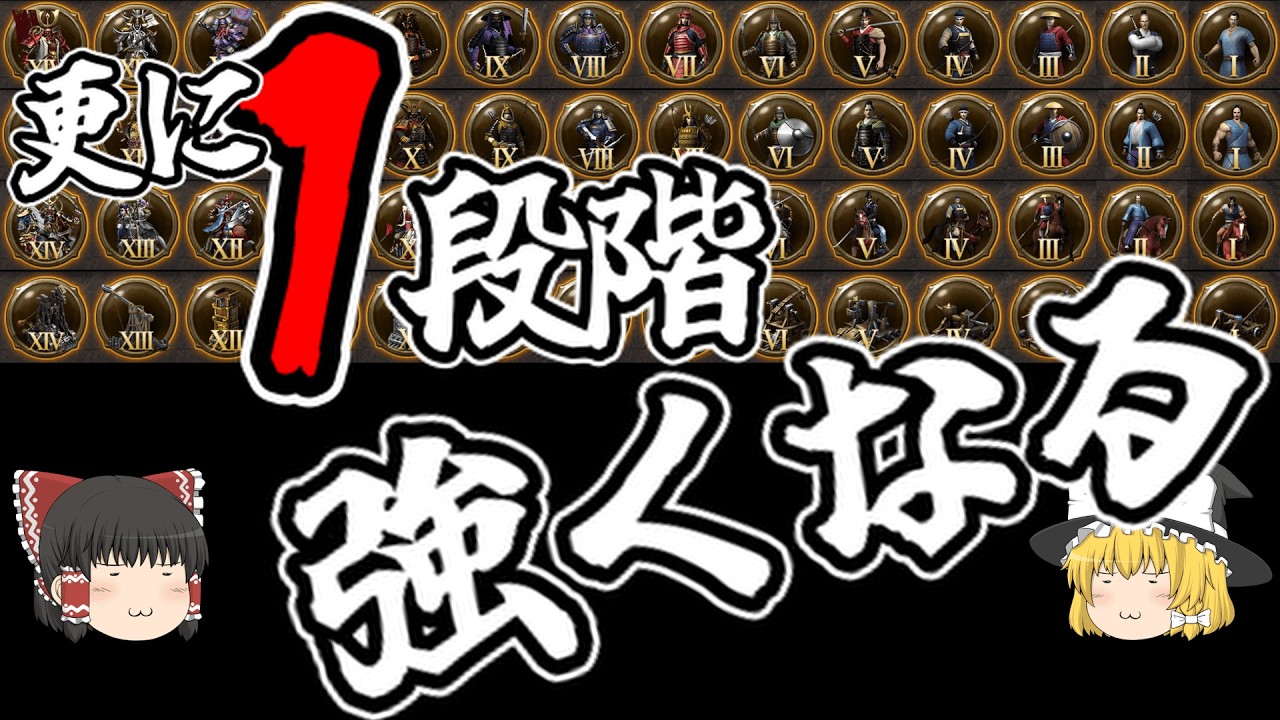
To upgrade an Evony PvP march beyond standard 1,000-troop layers, replace uniform distributions with role-weighted presets. Reinforce high-tier ground meat shields, expand mounted interception screens, and trim low-tier siege decoys. This structure keeps frontline buffers alive across multiple combat rounds, preventing incoming attacks from reaching your primary strike tiers prematurely.
Why Flat 1,000-Troop Layers Fail Against Strong Defenses
Evony resolves battles sequentially turn by turn. Each troop type and tier attacks according to movement speed, range, and target priority. A flat layer of 1,000 troops per tier forces unbuffed enemies to waste an entire attack turn destroying a minimal stack.
Against heavily buffed Keeps and high-tier defensive generals, this mechanism collapses:
- High offensive buffs and debuffs allow enemy strikes to wipe out multiple 1,000-troop tiers in the opening two rounds.
- Sacrificial frontlines disappear before your main damage dealers can execute enough attacks.
- In a 2-million to 3-million troop march, uniform 1,000-troop layers consume 50,000 to 60,000 march slots on weak tiers that fail to alter combat targeting.
Reallocating those slots into targeted defensive tiers ensures that each buffer survives long enough to fulfill its tactical role.
Reinforcing Ground and Mounted Meat Shields
Ground troops possess the highest baseline defense and health pools among basic unit types. A thin layer of 1,000 units collapses instantly under coordinated fire. Increasing key tiers—specifically T11, T12, and T13 ground—to between 3,000 and 5,000 units enables them to absorb several enemy volleys before breaking.
Mounted units require an adjusted volume because of their movement speed. Cavalry units advance faster than other troop types, serving as an initial screen against advancing enemy ground forces:
- Standard 1,000-troop cavalry stacks are eliminated before delaying enemy troops.
- Increasing mid-tier mounted layers to 1,500–2,500 units stalls opposing ground lines for an additional round.
- This delay buys your backline archers time to neutralize high-threat ground units before they reach your primary formation.
Fine-Tuning Siege Ratios and Main Strike Cores
Siege units possess the longest attack range and prioritize attacking opposing siege engines first. Flat setups waste march space by maintaining even numbers across all siege levels. Split your siege allocation into two functional tiers:
- Low-Tier Decoys (T1–T8): Reduce these tiers to 500–1,000 units each. They exist solely to trigger enemy siege targeting rules and absorb incoming fire.
- High-Tier Counters (T9–T13): Increase these tiers to 1,500–3,000 units each when targeting fortified Keeps. This volume provides counter-battery fire against defending wall siege before the frontline collision.
With low-tier waste eliminated, concentrate the bulk of your march capacity on your primary damage dealers. In a ranged attack preset, allocate 65% to 75% of your total march size to your top two available tiers (such as T13 and T14). This concentration ensures maximum offensive output while your reinforced buffers hold the field.
Standard vs. Role-Weighted PvP Preset Comparison
The following table illustrates the shift from a uniform 1,000-troop preset to a role-weighted ranged solo march:
| Troop Category | Standard 1,000 Preset | Role-Weighted PvP Preset | Combat Function |
|---|---|---|---|
| Ground (T1–T10) | 1,000 per tier | 1,000 per tier | Sacrificial buffer absorbing initial combat rounds |
| Ground (T11–T13) | 1,000 per tier | 3,000–5,000 per tier | Durable meat shield delaying frontline collapse |
| Mounted (T1–T13) | 1,000 per tier | 1,500–2,500 per tier | High-speed interception screen halting ground advances |
| Siege (T1–T8) | 1,000 per tier | 500–1,000 per tier | Minimal decoy layer drawing enemy siege targeting |
| Siege (T9–T13) | 1,000 per tier | 1,500–3,000 per tier | Suppression fire targeting defensive wall siege |
| Main Ranged Core | Remainder (~50%–60%) | Concentrated (~65%–75%) | Primary burst damage concentrated on top tiers (T13/T14) |
Applying Presets and Managing Hospital Risks
Save your adjusted composition directly into your Rally Spot march presets. Test adjustments during alliance duels or audit combat logs in Battlefield events like the Battle of Constantinople to confirm whether your frontline holds through rounds three and four.
Weighted presets carry hospital capacity risks:
- Sacrificial layers sent in higher quantities generate significantly more wounded troops upon defeat.
- If your hospital fills, excess casualties convert into permanent troop deaths.
- Reserve role-weighted marches for solo attacks against active Keeps, contested Battlefield buildings in the Battle of Gaugamela, or leading critical rallies.
- Maintain standard 1,000-troop presets for joining alliance rallies, ghosting marches during Server vs. Server (SvS) events, and monster hunting.
Free Evony Codes
Current active codes and how to redeem them.

James Brown
James focuses on Android gaming on PC, emulator setup, controls, performance tuning, and practical troubleshooting for longer play sessions.
COMMUNITY
Player Comments
125 players commented on this guide.
Good guide for Evony players. The strategy part was useful.
The explanation is clear, especially for beginners.
This helped me understand strategy much better.
Can you add more details about strategy in a future update?