
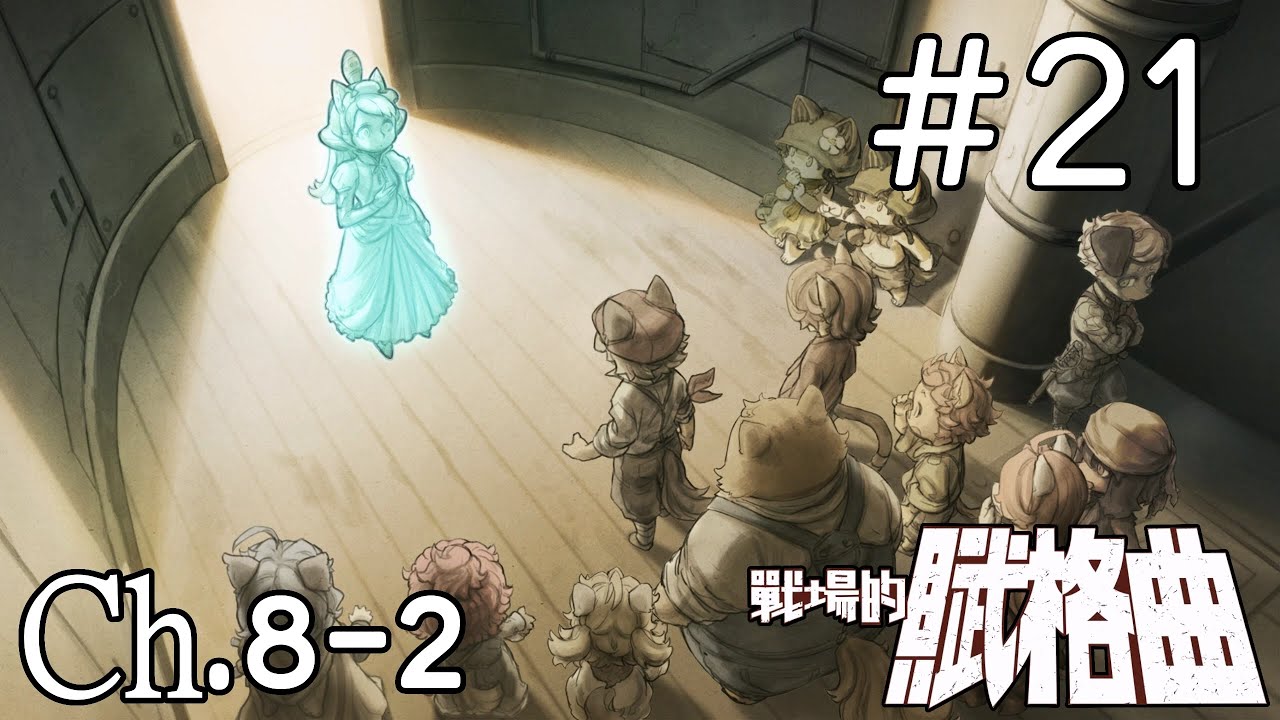
In Fuga: Melodies of Steel, Chapter 8 acts as a definitive mid-game litmus test. Players are no longer just managing a tank; they are managing the collective psychological state of a group of children under extreme duress. To succeed in this chapter, you must stop viewing the Taranis as a purely mechanical asset and start viewing it as an extension of the crew’s emotional well-being. The core answer to surviving Chapter 8 is resource prioritization: you must balance the immediate need for defensive tank upgrades with the long-term necessity of maintaining high affinity levels to prevent negative status ailments during combat.
Strategic Route Selection: The Path of Least Resistance vs. Reward
The battlefield in Chapter 8 is unforgiving. Every route choice you make determines the frequency of your combat encounters and, by extension, the stress levels of your crew.
- Risk-Reward Calculation: Always inspect the path ahead before finalizing your route. Routes marked with "Danger" icons offer higher experience and material rewards, which are tempting for upgrading the Taranis. However, if your crew’s stress is already exceeding 50%, the potential for a "Depressed" or "Scared" status effect—which effectively removes them from their combat station—is not worth the upgrade materials.
- Combat Density Management: As you progress through the chapter, look for paths that offer "Rest" or "Recovery" nodes. Even if these paths offer fewer combat encounters, the reprieve allows for a natural stress reduction that keeps your crew functional for the mandatory boss encounter at the end of the chapter.
- The "Safety First" Rule: If you are unsure of your ability to handle a high-difficulty node, take the safer route. Losing a turn of progress is preferable to triggering a negative emotional state that could cripple your ability to use the Taranis’s special skills during a boss fight.
Deep Dive: Managing Crew Relations and Affinity
In Fuga: Melodies of Steel, affinity is your most overlooked combat stat. High affinity between children unlocks Link Attacks and passive support bonuses that can significantly shorten combat duration.
- Intermission Allocation: During Chapter 8 intermissions, prioritize talking to children who are currently experiencing tension with others. Conversations that resolve conflicts are more valuable than minor stat-boosting activities. A crew that works well together will consistently outperform a crew that has high weapon stats but low morale.
- The Power of Bonding: Use the "Talk" command to pair children who frequently work together in the gun turrets. By building their affinity, you unlock the ability to trigger Link Attacks more frequently, which are essential for dealing with the heavily armored enemy types introduced in this chapter.
- The Cost of Neglect: Ignoring interpersonal tension leads to "Dissonance," a state where children refuse to perform effectively. If you see a character showing signs of stress or irritation toward an ally, address it immediately in the next intermission, or you risk losing your most powerful combat synergies exactly when you need them most.
Balancing Tank Upgrades and Crew Well-being
The Taranis is only as strong as the children operating it. A fully upgraded cannon is useless if the gunner is too stressed to fire accurately.
- Prioritize Defensive Upgrades: In Chapter 8, enemies hit harder and more frequently. Focus your material spending on the Taranis’s armor and the repair system. Reducing the damage you take minimizes the stress gain for your crew during combat.
- The "Force Multiplier" Logic: Instead of focusing solely on raw damage, invest in the "Support" systems of the Taranis. Upgrades that improve the speed of your turns or the efficiency of your healing items act as force multipliers. They allow you to end battles faster, which inherently limits the amount of stress your crew accumulates.
- When to Stop Upgrading: If you are within two encounters of a boss node, stop spending materials on upgrades. Save those resources for on-the-fly repairs during the boss encounter. Having the ability to fix a critical system mid-fight is often the difference between victory and defeat.
Optimizing Crew Placement for Tactical Advantage
Chapter 8 forces you to deal with specific enemy archetypes that require specialized turret management. Your placement strategy should be fluid, not static.
- Identify the Threat: If you are facing high-speed enemies, ensure your gunners have high accuracy passives. If you are facing heavy tanks, prioritize characters with high armor-piercing capabilities.
- Synergy Pairings: Always place children with high affinity levels in adjacent turrets. This maximizes the chance of them triggering "Support" actions during enemy turns, which can mitigate incoming damage or boost your own accuracy.
- Rotation Strategy: Do not stick to one crew configuration for the entire chapter. Rotate your children based on their current stress levels and their specific skill sets. If a character is approaching high stress, move them to a support role or bench them for an intermission to allow for recovery.
Common Mistakes to Avoid
- Hoarding Materials: Many players save materials for a "better" upgrade later. In Chapter 8, the "later" is now. Spend your materials to keep the Taranis functional today; the materials for the next upgrade will come from the next set of battles.
- Overlooking the "Talk" Menu: Treat the "Talk" option as a core combat mechanic rather than a side activity. It is the primary tool for managing the emotional health of your crew.
- Ignoring Stress Indicators: If a child's portrait begins to show signs of distress (such as drooping shoulders or darkened expressions), you are already in the danger zone. Do not push them further; swap them out immediately.
Conclusion: Preparing for the Endgame
Chapter 8 is the preparation phase for the final stretch of Fuga: Melodies of Steel. By focusing on the emotional synergy of your crew and making calculated, safety-conscious route choices, you build the sustainability required to face the game’s more difficult later chapters. Remember: the Taranis is a powerful weapon, but the children are your true strength. Protect them, manage their bonds, and ensure they are mentally prepared for the challenges that lie ahead. Consistent, incremental improvements to both the tank and the crew are the hallmarks of a successful commander.

Free Fuga: Melodies of Steel Codes
Current active codes and how to redeem them.

Sarah Williams
Sarah specializes in RPG and collection games, explaining team building, character growth, and beginner-friendly ways to avoid expensive early mistakes.
COMMUNITY
Player Comments
160 players commented on this guide.
This saved me time in the early game.
I wish I had read this before upgrading the wrong thing.
Good guide for Fuga: Melodies of Steel players. The strategy part was useful.
This helped me understand strategy much better.