
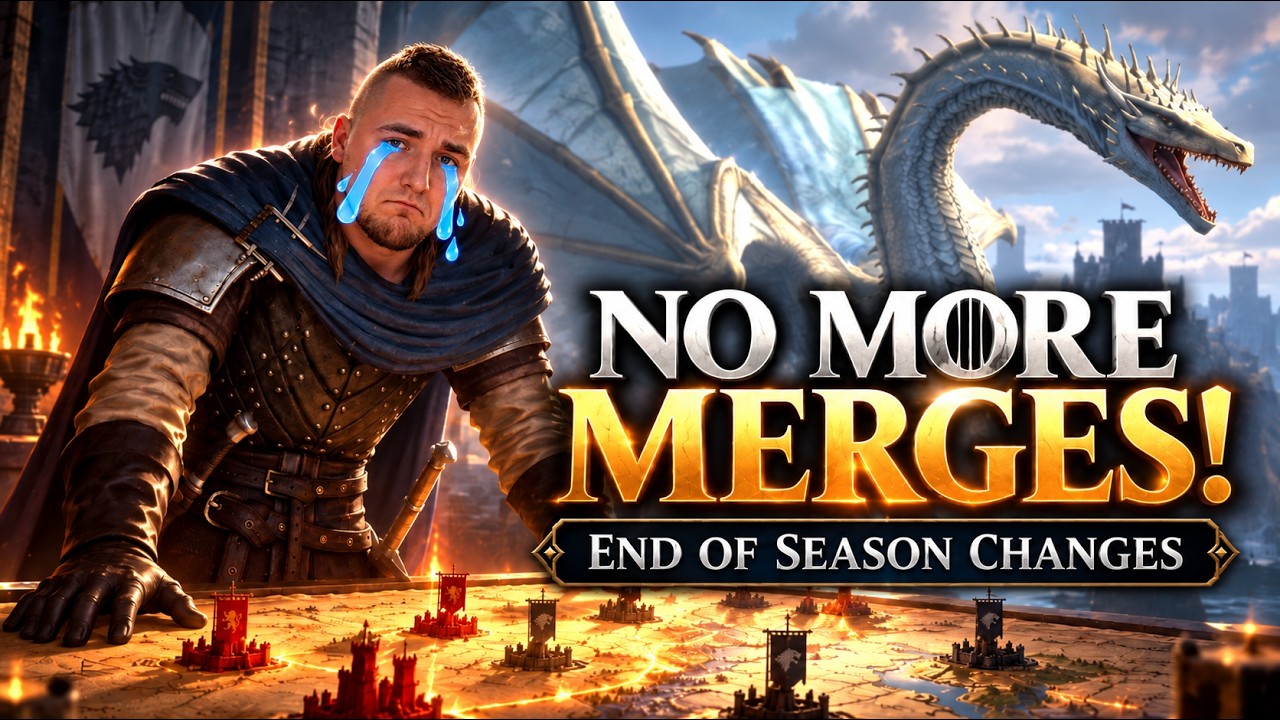
Game of Thrones: Dragonfire has replaced permanent server merges with dynamic seasonal grouping pools. Instead of permanently fusing multiple aging kingdoms into a single crowded realm, the game evaluates alliance activity and combat strength at the end of each season to place factions into temporary, balanced seasonal theaters.
To prepare for this system, alliance leadership must audit rosters, remove inactive high-power members, and organize combat roles before the seasonal snapshot locks in matchmaking pools.
How Dynamic Seasonal Grouping Works
Rather than permanently modifying your home server infrastructure, seasonal grouping deploys alliances into dedicated campaign maps for the duration of a competitive season. Once the campaign ends and rewards are distributed, alliances return to their base status until the next deployment cycle begins.
This cycle separates long-term account progression from competitive matchmaking, ensuring inactive kingdoms do not permanently pollute active play spaces.
| Feature | Traditional Server Merges | Dynamic Seasonal Grouping |
|---|---|---|
| Map Structure | Permanent fusion of home servers | Temporary campaign theater per season |
| Alliance Identity | Overcrowded into a single kingdom | Preserved across recurring campaigns |
| Inactive Accounts | Clutter kingdom territory and rankings | Filtered out during seasonal matchmaking |
| Matchmaking | Fixed by server launch date or geography | Re-evaluated each season by combat metrics |
Matchmaking Brackets and Roster Power
The dynamic grouping algorithm groups alliances by active combat capability rather than server age. Matchmaking evaluates collective house power, commander development, and dragon progression across participating members.
Because the system looks at aggregate strength, unmanaged roster bloat is a significant hazard:
- Combat-Ready Power: Alliances with active, coordinated fighters will match against similarly capable opponents.
- Paper Bloat Risk: Alliances carrying high-power members who do not attend rallies or seasonal battles risk being pulled into elite brackets against hyper-active, coordinated alliances.
To avoid being outmatched, leadership must prioritize true participation over superficial total power when finalizing alliance member counts.
Pre-Season Alliance Checklist
Alliance leadership should complete the following roster adjustments before the end-of-season snapshot finalizes:
- Audit War Attendance: Check battle logs for major seat rallies, territory captures, and PvP events to identify consistent participants versus players who only log in for daily claims.
- Trim Inactive High-Power Accounts: Remove high-power accounts that no longer participate in alliance warfare so their passive numbers do not push your alliance into a higher matchmaking bracket.
- Consolidate Sister Rosters: If your group manages main and secondary alliances, move your primary combatants into the main roster ahead of the seasonal evaluation snapshot.
- Assign Tactical Roles: Confirm rally leads, garrison anchors, and support march assignments in advance so your command structure is operational as soon as the seasonal theater opens.

Free Game of Thrones: Dragonfire Codes
Current active codes and how to redeem them.

Emily Johnson
Emily writes practical mobile strategy guides with a focus on resource planning, base progression, and the early decisions that shape a long-term account.
COMMUNITY
Player Comments
35 players commented on this guide.
The tips are practical and easy to follow.
Can you add more details about base building in a future update?
The explanation is clear, especially for beginners.
Nice guide. I am checking the other Game of Thrones: Dragonfire articles next.