
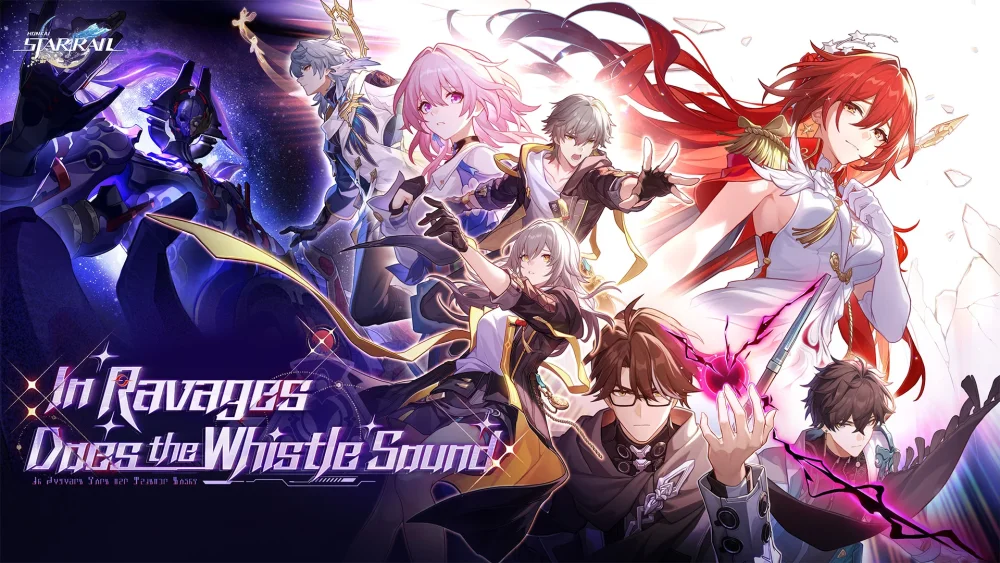
Engaging with the official Honkai: Star Rail music events—such as the "Strange Night of Star Rail" concert series—is far more than a passive listening experience; it is a sophisticated method for decoding the game’s complex world-building. By analyzing these performances, Trailblazers can uncover the philosophical underpinnings of different factions, identify foreshadowing for future updates, and gain a deeper understanding of the Aeons. This guide provides the framework for interpreting these musical arrangements to elevate your grasp of the Honkai: Star Rail universe.
Analyzing Factional Motifs Through Concert Arrangements
The musical identity of Honkai: Star Rail is meticulously crafted to reflect the core ideologies of its factions. Composers utilize specific leitmotifs—recurring musical themes—to represent the clash between these groups. During orchestral performances, pay close attention to how these motifs interact or transition, as they often mirror the current narrative "tone" of the game’s ongoing galactic conflict.
- The IPC (Interastral Peace Corporation): Tracks associated with the IPC often feature rigid, structured percussion, precise brass lines, and cold, mechanical synthesizers. These elements symbolize the organization's focus on order, expansion, and commodified wealth.
- The Astral Express: Themes for the Express typically utilize expansive, soaring strings and adventurous woodwind melodies. These signify the philosophy of the Trailblaze: freedom, exploration, and the forging of new connections across the stars.
- The Stellaron Hunters: Their motifs frequently employ discordant, avant-garde textures or unsettling, rhythmic pulses that suggest their disruptive nature and their commitment to destiny, regardless of the cost.
When you identify these musical signatures, you gain an immediate sense of the stakes involved in a specific Trailblaze Mission. If a track shifts from a melancholic melody to an aggressive IPC-themed percussion, the game is signaling an impending intrusion of corporate interests into your narrative path.
Leveraging Event Streams for Narrative Foreshadowing
Official concert streams often debut exclusive, rearranged versions of classic tracks. These arrangements frequently bridge the gap between past regions and future destinations, serving as a "musical roadmap" for the developers' narrative intentions. By examining the structure of a concert setlist, you can identify which regions or conflict cycles the developers are emphasizing for current or upcoming versions.
To get the most out of these streams, monitor the visual accompaniment provided. The Honkai: Star Rail production team often pairs music with specific thematic imagery—ranging from the dreamlike, neon-soaked aesthetics of Penacony to the cold, industrial decay of Jarilo-VI. These visual cues, when layered over the musical score, provide the most reliable interpretation of the "emotional memory" the developers intend for you to retain as you traverse the galaxy.
Connecting Musical Evolution to Gameplay Atmosphere
The emotional resonance of Honkai: Star Rail is heavily influenced by how the soundtrack evolves to match your progression. As you move from early-game exploration to endgame challenges like the Simulated Universe or Apocalyptic Shadow, the music shifts from curiosity-driven exploration themes to high-stakes, dramatic compositions.
Immersion and Gameplay Cues
- Tempo and Combat: Note the tempo changes during boss-themed tracks. Faster, more aggressive tempos often correlate with mechanical "enrage" phases or transitions where players must prioritize defensive utility or shield management.
- Character Depth: Observe how the music changes when a character appears in a concert setting versus their standard gameplay presence. A "concert arrangement" often strips away the combat-focused intensity, revealing the character's internal, lore-heavy motivations or hidden emotional states not fully explored in dialogue.
Practical Engagement: How to "Read" the Soundscapes
To turn these performances into a lore-building exercise, approach them as "extended narrative sessions." Use the following methodology to extract the most value from every concert event:
- Identify the Path and Aeon: Listen for the recurring "divine" motifs present in tracks dedicated to the Paths of your favorite characters. Each Path (The Preservation, The Erudition, The Nihility, etc.) has unique instrumentation. For example, tracks themed around The Nihility often feature hollow, reverberating sounds, while The Preservation utilizes sturdy, resonant metallic tones.
- Cross-Reference with In-Game Context: Compare the emotional intensity of the concert performance to your own experience in the game’s toughest combat modes. If a track felt daunting in the concert, revisit the lore entries of the boss it belongs to. You will often find the music’s "mood" perfectly encapsulates the tragic or heroic nature of that boss's history.
- Synthesize Character Motivations: Use the insights gained from a character's theme to interpret their actions in the story. A character whose theme is constantly shifting (lacking a consistent key or rhythm) may be internally conflicted, while a character with a resolute, unchanging theme is likely a firm believer in their own ideology.
Common Mistakes When Interpreting Lore Through Music
- Ignoring the Silence: In Honkai: Star Rail, silence is as meaningful as the music. Moments of sudden stillness in a track often precede a major narrative revelation or a shift in the status quo. Do not skip over these quiet sections; they are often the most important parts for lore theorists.
- Focusing Only on Vocals: While vocal tracks are powerful, the instrumental motifs are the bedrock of the game’s world-building. Always listen for the underlying melody—the "voice" of the universe—rather than just the lyrical content.
- Overlooking Cultural Fusion: Honkai: Star Rail blends diverse musical styles from different real-world cultures to represent its planets. Recognizing these influences—such as the Chinese-inspired instruments on the Xianzhou Luofu—helps you understand the "cultural weight" of the world you are currently exploring.
By integrating these musical clues into your overall understanding of Honkai: Star Rail, you move beyond simple gameplay and become a more informed participant in the Trailblaze mission. The soundtrack acts as the glue holding the game’s disparate regions together, providing the context necessary to appreciate the grand, intergalactic scale of the story. Whether you are a casual listener or a deep-lore analyst, treating these music events as vital chapters of the game’s history will significantly enrich your experience.

Free Honkai: Star Rail Codes
Current active codes and how to redeem them.

Emily Johnson
Emily writes practical mobile strategy guides with a focus on resource planning, base progression, and the early decisions that shape a long-term account.
COMMUNITY
Player Comments
37 players commented on this guide.
This saved me time in the early game.
This guide answered the exact question I had.
The tips are practical and easy to follow.
I wish I had read this before upgrading the wrong thing.