
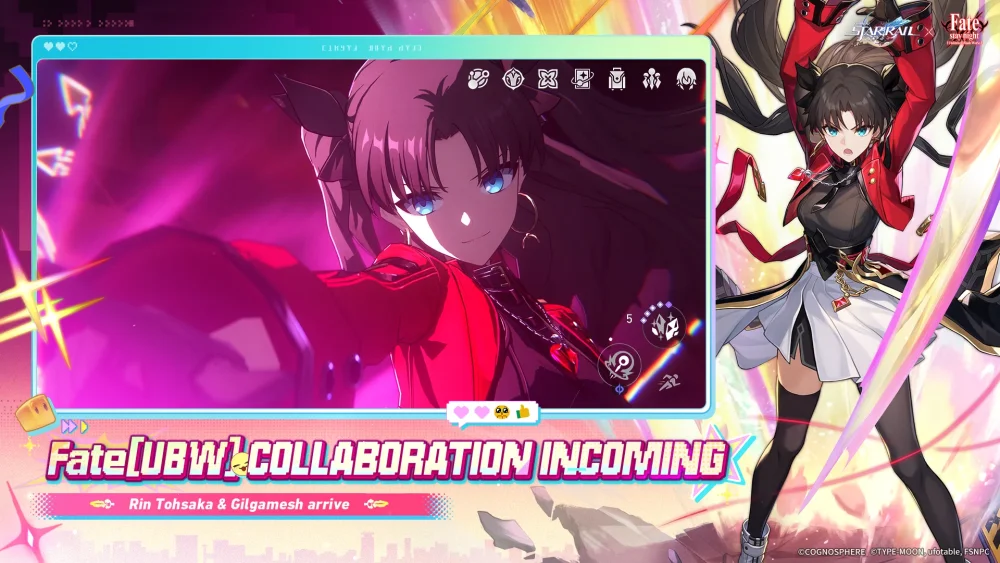
In Honkai: Star Rail, the story is not just told through dialogue boxes—it is woven into the very fabric of the game’s high-fidelity cinematic trailers and in-game cutscenes. For the dedicated Trailblazer, these assets are more than just promotional content; they are essential narrative briefings. By learning to analyze the visual language, mechanical motifs, and environmental storytelling within these releases, you can anticipate thematic shifts, understand complex character motivations, and prepare for the evolving challenges of the cosmic journey.
Why Cinematic Analysis Matters for Trailblazers
Many players view character promotional videos (PVs) and story cutscenes as passive entertainment. However, Honkai: Star Rail developers frequently utilize these moments to drop "lore breadcrumbs" that foreshadow major plot twists.
When you treat cinematics as strategic data points, you move beyond the surface-level story. You begin to identify the shifting political landscapes of the IPC, the mysterious goals of the Stellaron Hunters, and the underlying philosophy of the various Aeons. This analytical approach allows you to engage with the Honkai: Star Rail universe on a deeper level, turning every update into a puzzle waiting to be solved.
Decoding Narrative Foreshadowing in PVs
Visual storytelling in Honkai: Star Rail is meticulously crafted. To decode the foreshadowing, you must look past the flashy combat animations and focus on the "environmental narrative."
- Lighting and Color Palettes: Developers often shift color grading to reflect the emotional or psychological state of a region or character. A sudden transition from bright, saturated colors to muted, monochromatic tones often signals the influence of a Stellaron or a looming existential threat.
- Recurring Motifs: Keep an eye on symbols associated with specific Factions. If a PV features the icon of the Mourning Actors or the Masked Fools in the background, it is rarely accidental. These motifs indicate which factions will hold influence in the coming narrative arc.
- The "Transition" Clue: Pay attention to how scenes transition. Fast, aggressive cuts suggest an action-heavy update, while long, lingering shots on static objects often suggest a focus on mystery, character introspection, or investigative gameplay.
Interpreting Mechanical Symbolism and Tech Lore
Technology in Honkai: Star Rail is a direct extension of a character's history and affiliation. When a PV highlights a specific piece of hardware—such as the mecha units often associated with specialized combat squads—it serves as a shorthand for that character’s narrative role.
Identifying Factional Allegiance
The design language of tech in the game is highly distinct:
- IPC Technology: Sleek, corporate, and often gold or white-accented. If a character is using this, they are tied to the interstellar economy and bureaucracy.
- Ancient/Alien Tech: Often features glowing runes or organic-mechanical hybrids. This points toward remnants of destroyed civilizations or the influence of Paths like The Enigmata or The Propagation.
- Astral Express Style: Uses warmer, classic sci-fi aesthetics, emphasizing exploration and utility.
By identifying the "Tech Aesthetic," you can predict how a character will behave during a Trailblaze Mission. A character utilizing heavy, industrial-grade artillery is likely to be a frontline combatant or a "fixer," whereas one utilizing ethereal, light-based gear is often tied to the higher-order cosmic mysteries of the Aeons.
Integrating PV Themes into Your Version Strategy
You can use the "mood" of an upcoming version to prepare your account for the specific demands of new content. This is a highly effective way to optimize your resource management.
- Analyze the "Action-to-Lore" Ratio: If the PV is 80% combat-focused, expect a version update that prioritizes combat challenges (e.g., Simulated Universe expansions, Pure Fiction, or boss-rush events). Ensure your DPS units are leveled and your relics are optimized.
- Character Roles: If a PV highlights a character performing a specific support role—such as hacking data, shielding allies, or manipulating the environment—it is a strong hint that the upcoming story events will require those specific utility types to navigate.
- Stockpiling Resources: If a cinematic features a specific location or faction, anticipate that the associated boss or elite enemies will be weak to the damage types favored by that faction. Pre-farming materials based on these visual hints gives you a significant advantage on launch day.
Analyzing Character Motivations and Faction Alliances
Honkai: Star Rail is a game of shifting loyalties. Cutscenes are the best place to witness the "cracks" in these alliances. Watch closely for:
- Micro-expressions: During dialogue-heavy cutscenes, look at character expressions during moments of conflict. A character glancing away or hesitating when an Aeon is mentioned often reveals secret dissent.
- Physical Distance: In group cutscenes, notice who stands near whom. Physical proximity in the game’s animation is a deliberate choice to show trust or hierarchy.
- Equipment Upgrades: If a character appears with "upgraded" gear in a PV compared to their current in-game model, it signals an upcoming narrative climax or a "power-up" arc. These characters are almost always the focal points of the next major story patch, making them high-priority targets for investment.
The Role of Cinematic Fidelity in Pacing
The production value of a cutscene is a barometer for the narrative’s intensity. Honkai: Star Rail uses high-fidelity, fully rendered cinematics to mark "turning points."
- The "Climax" Indicator: When you see a sudden jump in cinematic quality—such as a shift from in-engine dialogue to pre-rendered, high-motion scenes—you are approaching a major resolution of the current story arc.
- Thematic Consistency: Always look for the connection between the background music and the visual art. Music in Honkai: Star Rail is rarely background noise; it is designed to evoke the specific Path of the character on screen. If you hear a motif from a specific Aeon’s theme playing during a cutscene, that character is directly acting out that Aeon’s philosophy, regardless of what they are saying.
Conclusion: Turning Lore into Advantage
By mastering the art of cinematic analysis, you transform from a casual player into an informed participant in the Honkai: Star Rail experience. You will no longer be caught off guard by sudden shifts in the plot or the arrival of new, complex factions. Instead, you will have decoded the signals, prepared your account, and deepened your connection to the vast, unfolding history of the galaxy. Keep your eyes on the details, analyze the technology, and trust your intuition—the next story beat is already hidden in plain sight.

Free Honkai: Star Rail Codes
Current active codes and how to redeem them.

James Brown
James focuses on Android gaming on PC, emulator setup, controls, performance tuning, and practical troubleshooting for longer play sessions.
COMMUNITY
Player Comments
137 players commented on this guide.
Good guide for Honkai: Star Rail players. The redeem codes part was useful.
Nice guide. I am checking the other Honkai: Star Rail articles next.
This saved me time in the early game.
This helped me understand redeem codes much better.