
Choose Honkai: Star Rail if you want strategic, turn-based combat with linear story progression across distinct zone maps. Choose Genshin Impact if you prefer real-time action combat with freeform open-world exploration. While both space and fantasy RPGs are developed by HoYoverse and share gacha mechanics like character pulling, their gameplay loops demand different skills and time commitments.
Key Feature Comparison
| Feature | Honkai: Star Rail | Genshin Impact |
|---|---|---|
| Combat System | Turn-based command battle | Real-time action RPG |
| World Design | Zone and stage-based maps | Seamless open world |
| Defensive Play | Party composition and shields | Real-time dodging and movement |
| Key Mechanic | Elemental Weakness Break & turn order | Elemental Reactions & stamina management |
| Progression Style | Guided story missions per area | Open exploration, climbing, and gliding |
Turn-Based Tactics vs. Real-Time Action Combat
Combat design is the primary distinction between the two games.
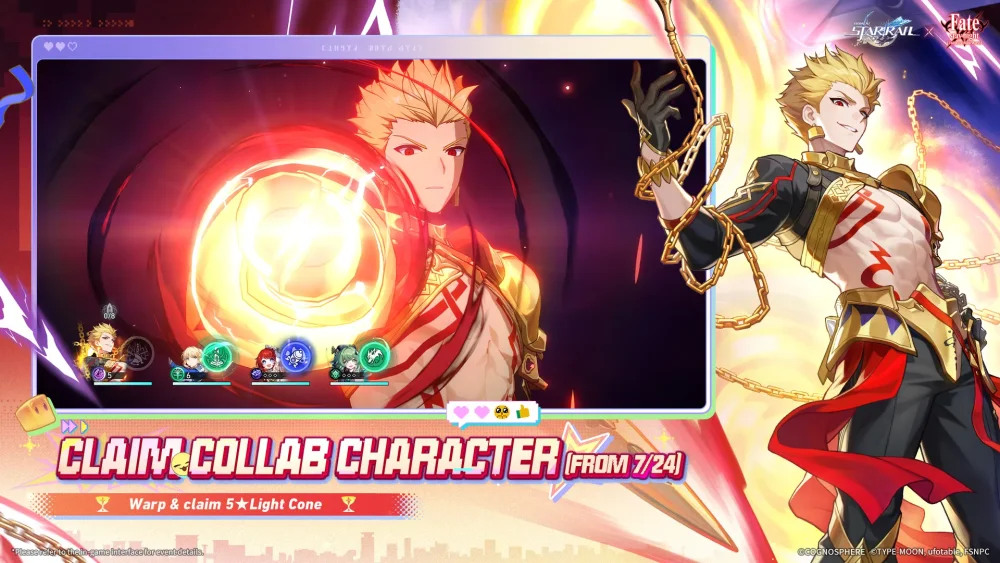
Honkai: Star Rail runs on a turn-based tactical system. You build a four-character team, monitor turn order, and manage skill points. Combat relies on matching elemental damage types against enemy weaknesses to reduce toughness meters and break shields. Because encounters do not feature active movement, success comes from planning turn order, choosing when to cast skills or trigger Ultimates, and maintaining defined party roles like damage dealers, supports, and healers. You cannot bypass high-level damage with active dodging; your team must be able to sustain enemy turns.
Genshin Impact is an action RPG. Combat takes place entirely in real-time, relying on positioning, dodging, attack animations, and dynamic elemental reactions between swapped characters.
World Design and Map Progression
The structure of environments dictates how you spend time outside of battle.
- Honkai: Star Rail uses a focused, stage-based map layout. Players move between distinct regions on different worlds to complete campaign quests and battle stages. This structure creates a contained, narrative-driven flow that makes session management simple if you prefer shorter play windows or structured objectives.
- Genshin Impact features a massive, continuous open world. Gameplay requires active exploration, including climbing mountains, gliding across gaps, and solving environmental puzzles to gather progression materials and chest rewards.
Team Building and Gacha Mechanics
Both games share foundational HoYoverse recruitment systems, using premium currency (such as Stellar Jades in Honkai: Star Rail) to pull characters and equipment (Light Cones in Honkai: Star Rail).
However, team composition requirements differ due to combat design:
- Honkai: Star Rail: Rigid role division is essential. Because taking enemy hits is mandatory in turn-based encounters, a viable squad generally requires dedicated sustain units (healers or shielders), enemy weakness matchers, and clear role separation.
- Genshin Impact: Team flexibility allows skillful dodging and high-damage elemental rotations to sometimes overcome defensive gaps.
Which Game Should You Play?
- Pick Honkai: Star Rail if you enjoy strategic planning, turn-based battle systems, clear stage progression, and a focused narrative pace centered around space fantasy world exploration.
- Pick Genshin Impact if you want an open-world action game with dynamic combat mechanics, real-world navigation, and self-directed exploration.

Free Honkai: Star Rail Codes
Current active codes and how to redeem them.

James Brown
James focuses on Android gaming on PC, emulator setup, controls, performance tuning, and practical troubleshooting for longer play sessions.
COMMUNITY
Player Comments
143 players commented on this guide.
I tried this today and it worked better than my old setup.
This helped me understand base building much better.
The tips are practical and easy to follow.
I wish I had read this before upgrading the wrong thing.