
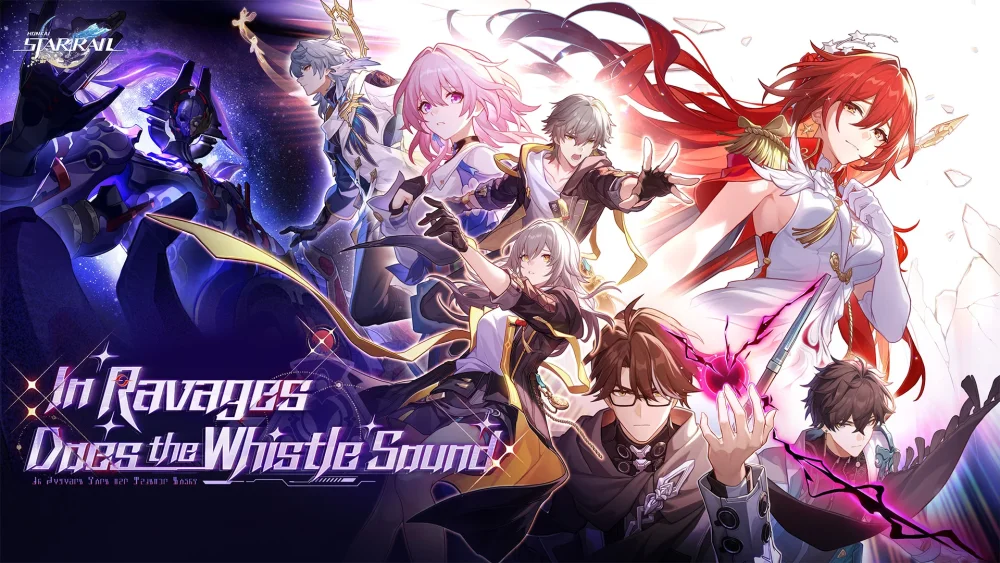
For many players, Honkai: Star Rail is more than just a turn-based RPG; it is a canvas of high-fidelity art, intricate lore, and breathtaking character animation. While the game provides an exceptional built-in soundtrack, many veteran Trailblazers find that layering personalized audio-visual themes—such as the "Kowloon Retro" aesthetic or lo-fi synth-wave—can transform routine daily grinds into deeply engaging, cinematic experiences. By intentionally curating the atmosphere of your gameplay sessions, you can stave off progression burnout and develop a more profound appreciation for the game’s meticulous world-building.
Why Aesthetic Syncing Matters in Honkai: Star Rail
In a game defined by repetitive loops—relic farming, Calyx grinding, and Simulated Universe runs—it is easy to treat characters as mere stat blocks. Aesthetic syncing is the practice of aligning your external environment, such as background music or visual filters, with the thematic tone of the world you are currently exploring.
This practice serves a dual purpose:
- Combating Fatigue: By changing the "vibe" of your session, you refresh your mental engagement with otherwise repetitive tasks.
- Heightening Narrative Connection: Aligning music with a character’s personality (e.g., fast-paced jazz for Topaz or melancholic cello for Blade) allows you to interpret their actions through a new emotional lens.
Curating Your Narrative Atmosphere
To begin your immersion journey, you must first identify the "emotional frequency" of the region or character you are focusing on. Honkai: Star Rail is geographically and thematically diverse; treating each planet as a distinct stage for your personal narrative is key.
- Belobog (Jarilo-VI): Lean into industrial, cold, or orchestral soundtracks. The juxtaposition of survival and hope works well with somber, sweeping compositions.
- The Xianzhou Luofu: Utilize traditional eastern instruments fused with modern electronic beats. This mirrors the game’s core identity: a clash between ancient tradition and advanced space-faring technology.
- Penacony: This is the realm of jazz, swing, and high-energy neon aesthetics. Matching the game’s chaotic, dream-like pacing with upbeat, rhythmic music enhances the feeling of traversing a city built on memories.
Timing Combat Transitions for Cinematic Impact
The combat system in Honkai: Star Rail is arguably the best place to practice rhythmic alignment. Because the game relies on static turns followed by high-action Ultimate cinematics, it creates a "start-stop" rhythm that is perfect for music video-style editing or simply "playing to the beat."
Steps to Master Rhythmic Combat:
- Identify the Impact Frames: Every Ultimate in Honkai: Star Rail has a specific "impact frame"—the moment where damage is calculated and visual effects explode on screen. Spend a moment in the "View Skills" menu to study these frames.
- Match the Crescendo: Choose tracks with clear tempo shifts. Time the activation of a high-impact Ultimate (like Acheron’s Slashed Dream or Argenti’s For In This Garden, Supreme Beauty Bestows) to land exactly on the beat drop or chorus of your track.
- Idle Animation Syncing: If you are waiting for a turn to process, observe your character’s idle animations. Matching your inputs or even your camera panning to the idle movements makes the team feel less like static models and more like living companions.
Refreshing Your Gameplay Loop
When you have exhausted your Stellar Jade resources or hit a wall in the Memory of Chaos, the game can start to feel like a checklist. Aesthetic immersion is your primary tool for breaking this cycle.
Consider creating "mood playlists" for specific activities:
- Relic Farming: Low-tempo, rhythmic tracks that help you maintain focus without over-stimulating you during long, repetitive sessions.
- Story Quests: Cinematic scores that do not feature lyrics. This allows you to prioritize the game’s brilliant voice acting while keeping the background mood elevated.
- Simulated Universe: High-energy, "boss-fight" style music. Because Simulated Universe runs can take time, a high-tempo soundtrack helps maintain your drive and urgency.
Limitations and Strategic Trade-offs
While aesthetic immersion is a powerful tool for enjoyment, it is vital to understand the tactical limitations. Honkai: Star Rail is a game of mechanical precision, particularly in end-game modes like Apocalyptic Shadow.
- Audio Cues: In high-difficulty content, the game’s original sound design—such as the audio tells for enemy skill telegraphs or status effect triggers—can be vital. Never override these cues entirely when attempting content that requires maximum mechanical optimization.
- Narrative Integrity: The game’s original score is composed specifically to match the narrative beats of the story. During your first playthrough of a new main story update, it is highly recommended to experience the game’s native audio to fully appreciate the intended emotional weight of the story.
- Resource Management: Do not let the pursuit of "aesthetic" distract from the reality of your team’s build. No amount of great music will compensate for a poorly leveled Light Cone or a mismatch in Elemental Weakness management.
Final Thoughts: The Player as Director
Ultimately, Honkai: Star Rail provides the world and the characters, but you are the director of your own experience. By treating the game as a multimedia art piece rather than just a collection of numbers, you ensure that your journey across the stars remains fresh, exciting, and deeply personal. Whether you are syncing the frantic energy of a Stellaron Hunter’s combat style to a high-octane track or simply curating a lo-fi playlist for a quiet walk through the Astral Express, you are actively enhancing the value of your time spent in-game. Remember: the goal is to enjoy the journey, not just the destination.

Free Honkai: Star Rail Codes
Current active codes and how to redeem them.

James Brown
James focuses on Android gaming on PC, emulator setup, controls, performance tuning, and practical troubleshooting for longer play sessions.
COMMUNITY
Player Comments
26 players commented on this guide.
Nice guide. I am checking the other Honkai: Star Rail articles next.
Good guide for Honkai: Star Rail players. The strategy part was useful.
This helped me understand strategy much better.
The explanation is clear, especially for beginners.