
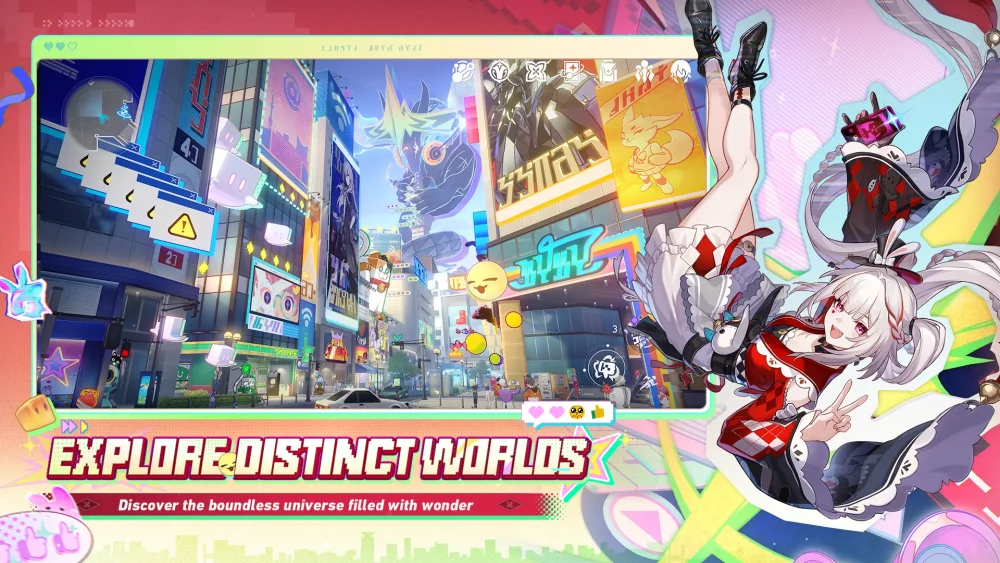
In Honkai: Star Rail, narrative milestones—such as those explored in the "Beyond the Chorus" arcs—are rarely just flavor text. For the seasoned Trailblazer, these story beats serve as a roadmap for the game’s mechanical evolution. Understanding the intersection between narrative "Fate" and mechanical "Paths" is the secret to building a future-proof account. By recognizing how the game signals shifts toward specific Paths like Erudition or Destruction, players can proactively manage their Stellar Jade and materials to remain ahead of the meta curve.
Decoding the Narrative Binary: Fate as a Mechanical Indicator
The "Beyond the Chorus" narrative introduces the concept of a binary choice that splits fate. In game design terms, this is Honkai: Star Rail signaling a shift in the combat meta. When the story highlights a pivot between the intellectual focus of Erudition and the raw, volatile power of Destruction, it is often a prelude to an upcoming update where these Paths receive new support units, specialized Light Cones, or favorable mechanics in endgame modes like the Memory of Chaos or Pure Fiction.
To master this, treat every major narrative revelation as an intelligence report. When dialogue emphasizes "Memory" or "Intellect," investigate which characters currently anchor those themes. Often, the game will release characters or endgame buffs that directly synergize with the specific Path being highlighted in the current story arc.
Strategic Resource Allocation for Path Shifts
As you approach new regions like Omphalos, the demand for specific character roles will shift. Following a "fate" narrative, you may find that the game’s difficulty spikes require higher multi-target damage (Erudition) or superior sustain and self-buffing (Destruction).
To avoid being caught off guard, implement these resource management rules:
- The 30% Reserve Rule: Always keep 30% of your trace materials and character EXP materials in reserve. This allows you to instantly level up a new unit when a narrative-driven meta shift renders an old team composition obsolete.
- Light Cone Preservation: Never fodder 4-star Light Cones with unique passives. As the meta shifts, "niche" items often become "essential" when a new character arrives whose kit perfectly exploits an older, overlooked passive.
- Stellar Jade Forecasting: If the current arc focuses heavily on a specific faction or Path, assume that the upcoming limited banners will feature characters who provide synergy for that specific group. Save your pulls accordingly.
Environmental Clues and Combat Preparedness
The setting of your adventure—such as the nocturnal, memory-laden atmosphere of Omphalos—is a mechanical shorthand for the challenges ahead. Environmental design in Honkai: Star Rail is meticulously crafted to hint at the debuffs, status effects, and enemy weaknesses you will encounter.
- Thematic Weakness Analysis: If the environment is built around "Memory," anticipate mechanics involving debuffs, effect resistance, or turn-manipulation. Prioritize building support characters who can cleanse or provide Effect Res.
- Pacing Shifts: Atmospheric "night" stages often feature high-pressure encounters that require specialized sustain. If the narrative tone grows darker, prepare your team for a higher survival requirement, shifting away from "glass cannon" compositions toward balanced teams with strong defensive utility.
Future-Proofing vs. Immediate Meta Dominance
The most common mistake for mid-to-late game players is investing all resources into the current "top-tier" unit, only to see that unit fall off when the next story update introduces new enemy types or mechanics.
Instead of chasing the highest current damage output, prioritize versatility. Characters who can function in multiple roles—such as a Destruction unit with high survivability or an Erudition unit that provides debuff utility—will always hold value regardless of the current narrative phase.
Decision Matrix for Investing
When deciding whether to pull or build a character during a narrative shift, ask these three questions:
- Does this character fill a mechanical hole? (e.g., Do you lack a dedicated shielder for high-difficulty stages?)
- Is their Path favored by the current narrative arc? (e.g., Are Erudition units receiving buffs in the current Simulated Universe cycle?)
- Is their utility independent of the current meta? (e.g., Do they provide buffs that are not tied to specific damage types?)
Navigating the Omphalos Region and Beyond
As the story progresses into mysterious settings like Omphalos, players should expect the unexpected. The "binary" choices presented in the story are designed to test your ability to adapt. When the narrative forces you to choose between philosophies, it is testing your team's flexibility.
Focusing on a broad roster rather than a single "meta team" allows you to pivot your strategy as the cosmic conflict unfolds. By paying attention to the foreshadowing provided in PVs and dialogue, you gain the ability to predict the next shift in the Honkai: Star Rail ecosystem. The players who succeed are not those who simply follow the current trend, but those who understand the rhythm of the narrative and prepare their accounts for the inevitable changes that follow.
Remember: In Honkai: Star Rail, your choices today dictate your readiness for the cosmic trials of tomorrow. Align your account with the Path that the narrative is pointing toward, and you will find that the difficulty spikes are far easier to navigate.

Free Honkai: Star Rail Codes
Current active codes and how to redeem them.

Emily Johnson
Emily writes practical mobile strategy guides with a focus on resource planning, base progression, and the early decisions that shape a long-term account.
COMMUNITY
Player Comments
100 players commented on this guide.
The explanation is clear, especially for beginners.
This saved me time in the early game.
Nice guide. I am checking the other Honkai: Star Rail articles next.
I wish I had read this before upgrading the wrong thing.